Chepstow Castle
Recommended by


Overview
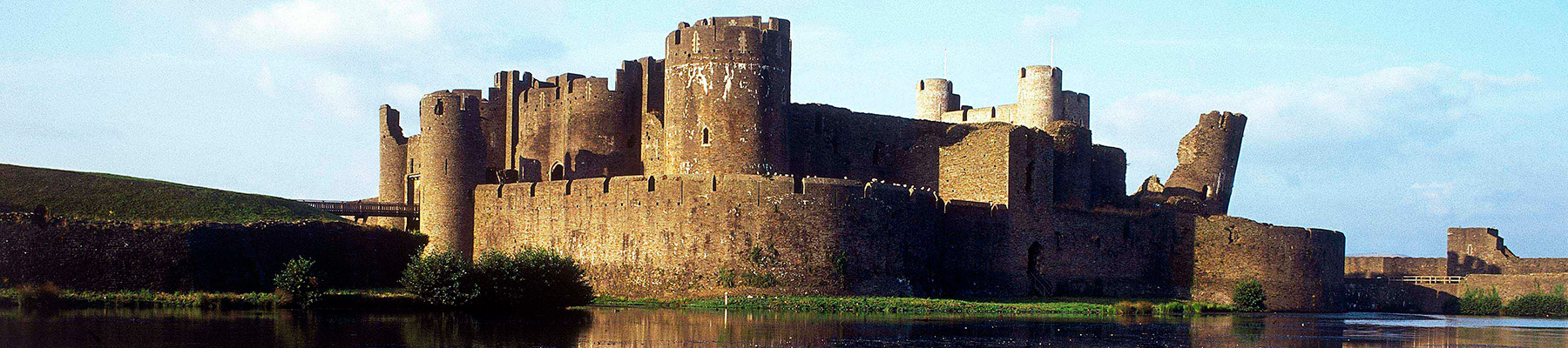
One of the first stone castles ever constructed in Britain, building started in 1068, just two years after the invasion of England by William the Conqueror. Chepstow was of great strategic importance and William entrusted one of his best generals, William FitzOsbern, to build the castle and control the Marches. The site is naturally protected on one side by cliffs plummeting into the Wye, and on the other by a valley. The very first building was a simple, two-storeyed rectangular keep. In the 12th century its defences were improved and the castle extended. Although Chepstow was never besieged in medieval times, it played an important role in the Civil War, coming under siege twice while it was being held for King Charles I. After this, its importance declined and it fell into the romantic ruin it is today.
Features
- Opening Times
- Open all year
- Opening Times: Open all year, daily Mar-Jun & Sep-Oct, 9.30-5; Jul-Aug, 9.30-6; Nov-Feb, Mon-Sat 10-4, Sun 11-4 (last admission 30mins before close). Closed 24-26 Dec & 1 Jan
- Facilities
- Parking onsite
About the area
In their bid to control the borderlands of Monmouthshire – also known as the Marches – the Normans built a triangle of castles: Grosmont, Skenfrith and White. At first, they were simple wooden structures strengthened by earthworks, but when the lively Welsh refused to stop attacking them, it was decided more permanent fortresses were needed.
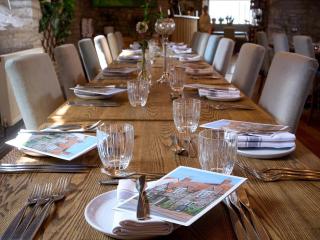
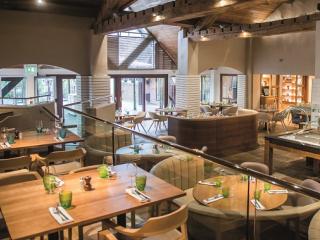
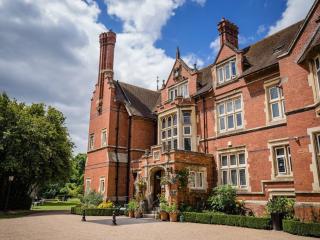
Places to eat nearby View all
Nearby places to stay
View all (8)

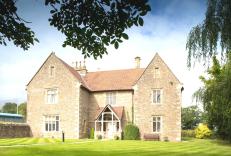

Nearby places to stay
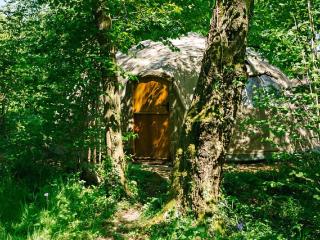
Penhein Glamping
Tucked away in secluded woodland surrounded by peaceful countryside, Penhein Glamping offers eight beautiful Alachigh (pronounced alla-cheeg) tents, that are cosy, warm and kitted out w...
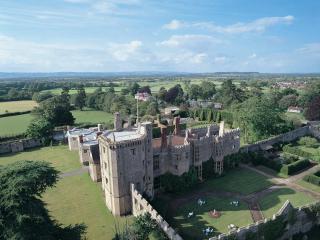
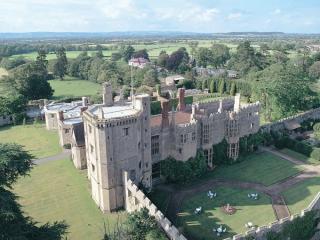
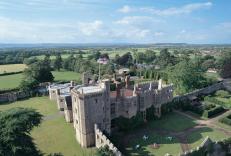
Thornbury Castle Hotel
History fans may be interested to learn that Henry VIII ordered the first owner of Thornbury Castle to be beheaded! Guests today have the opportunity of sleeping in historical surroundi...
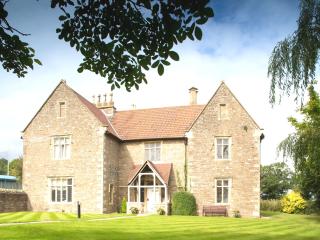
Thornbury Lodge
With good access to the M4 and M5, Thornbury Lodge offers a popular retreat for both business and leisure guests, and is surrounded by pleasant scenery, including a golf course. Dinner ...
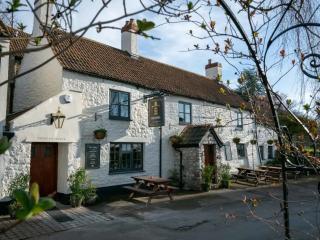
Bowl Inn
With a history dating back to the 12th century, The Bowl is a newly refurbished traditional pub and inn tucked away in the picturesque village of Almondsbury, near Bristol. Expect thick...
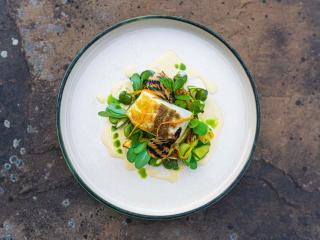
The Whitebrook
Peacefully located and surrounded by woods and rivers, this delightful restaurant with rooms offers a tranquil escape. The bedrooms are located above the main restaurant and come in a r...
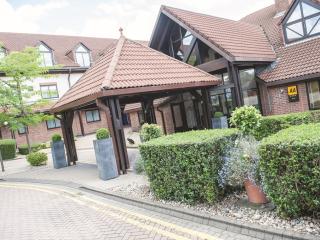
Aztec Hotel & Spa
Situated close to Cribbs Causeway shopping centre and major motorway links, this stylish hotel offers comfortable, very well-equipped bedrooms and suites. Built in a Nordic style, publi...
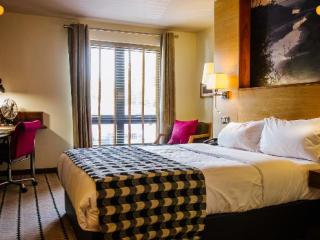
Lodge At Bristol
Not far from the River Severn, this well situated, family-friendly lodge style property will suit a wide clientele and benefits from close proximity to its sister property, the Aztec Ho...
Berwick Lodge
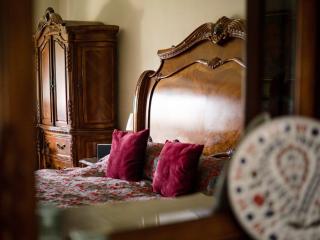
Berwick Lodge is a delightful property, built in the late 1890s as a private manor house and surrounded by rose and woodland gardens. It provides very high standards of quality and comf...