St Magnus Cathedral
Recommended by


Overview
Dominating the harbour town of Kirkwall is the weathered red sandstone bulk of St Magnus Cathedral, begun by Viking Earl Rognvald in 1137 (nephew of St Magnus, murdered 20 years before), and completed in the 15th century. Inside, the huge Romanesque pillars and decorative stonework create a sense of magnificent space and peace. In 1845 restoration was needed, and the Government briefly took control of the building for essential repairs, before returning it to the ownership of the people of Orkney. By the early 20th century, more work was needed to restore the fabric of the cathedral. The distinctive steeple was added, and plaster and whitewash on the interior, applied at the Reformation, was removed. Among features in the cathedral, look out for the memorial to the men of HMS Royal Oak, who died when their ship was torpedoed in Scapa Flow in 1939; the dungeon, known as Marwick’s Hole; the monument to Arctic explorer John Rae; and the stained glass West Window, installed in 1987. One of the best views of the cathedral is from the top of the ruins of the nearby Bishop’s palace, where a signboard explains the phases of the building. With its superb acoustics, the cathedral is a major venue for the annual St Magnus arts festival.
Features
- Opening Times
- Open all year
- Opening Times: Open Apr-Sep, Mon-Sat 9-6, Sun 1-6; Oct-Mar, Mon-Sat 9-1, 2-5
- Children
- Suitable for children of all ages
About the area
This cluster of more than 70 islands and skerries lies off the northern coast of Scotland, separated from it by the churning waters of the Pentland Firth.
Approaching on the ferry from Scrabster or Aberdeen, the first view of Hoy, with its tall rock stacks and slabby red sandstone cliffs, is at first misleading.

Nearby places to stay
View all (3)






Nearby places to stay
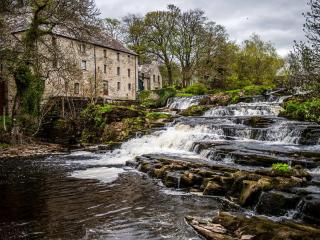
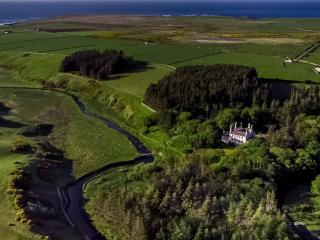
Forss House Hotel
Forss House Hotel was built in 1810, this delightful country house is set in its own 20 acres of woodland. The hotel offers a choice of bedrooms, from the traditionally styled rooms in ...

Orkney Caravan Park at The Pickaquoy Centre
Awaiting description....
The Lighthouse Keeper's Cottage
The Lighthouse Keeper's Cottage is a peaceful three-bedroomed cottage in a stunning location adjacent to the Lighthouse at Noss Head, just outside Wick. The cottage is well equipped, wi...