Broadway Tower
Recommended by


Overview
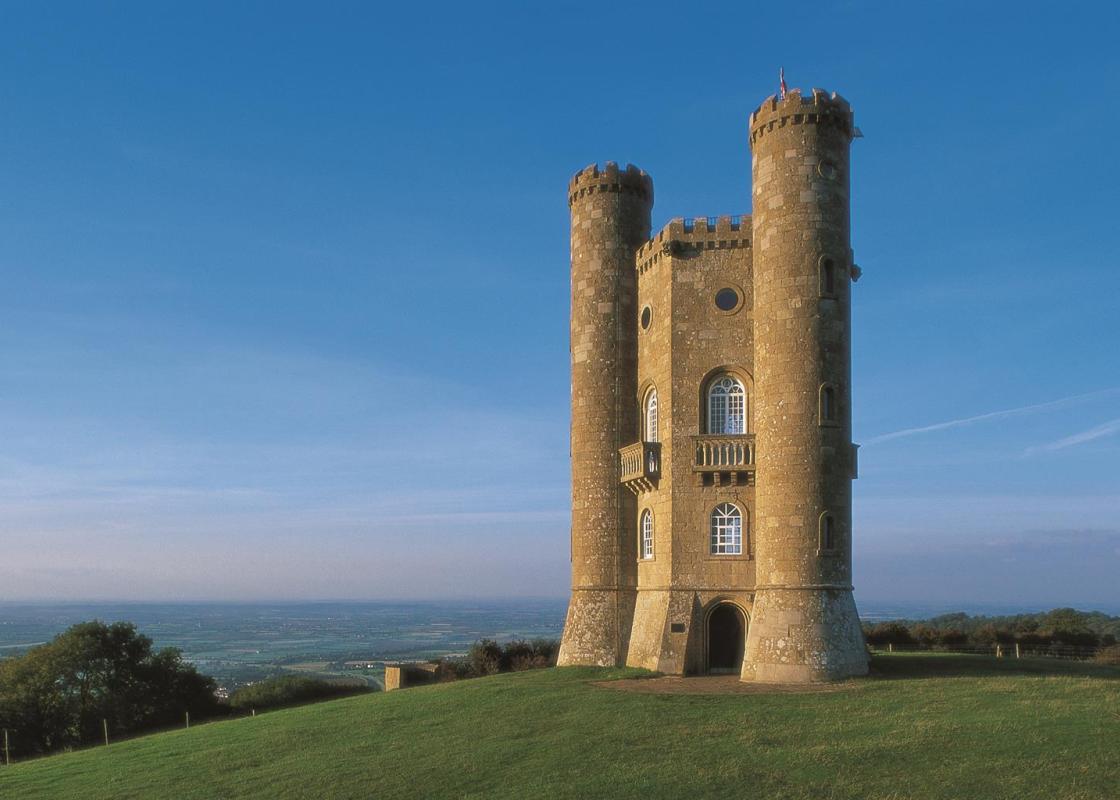
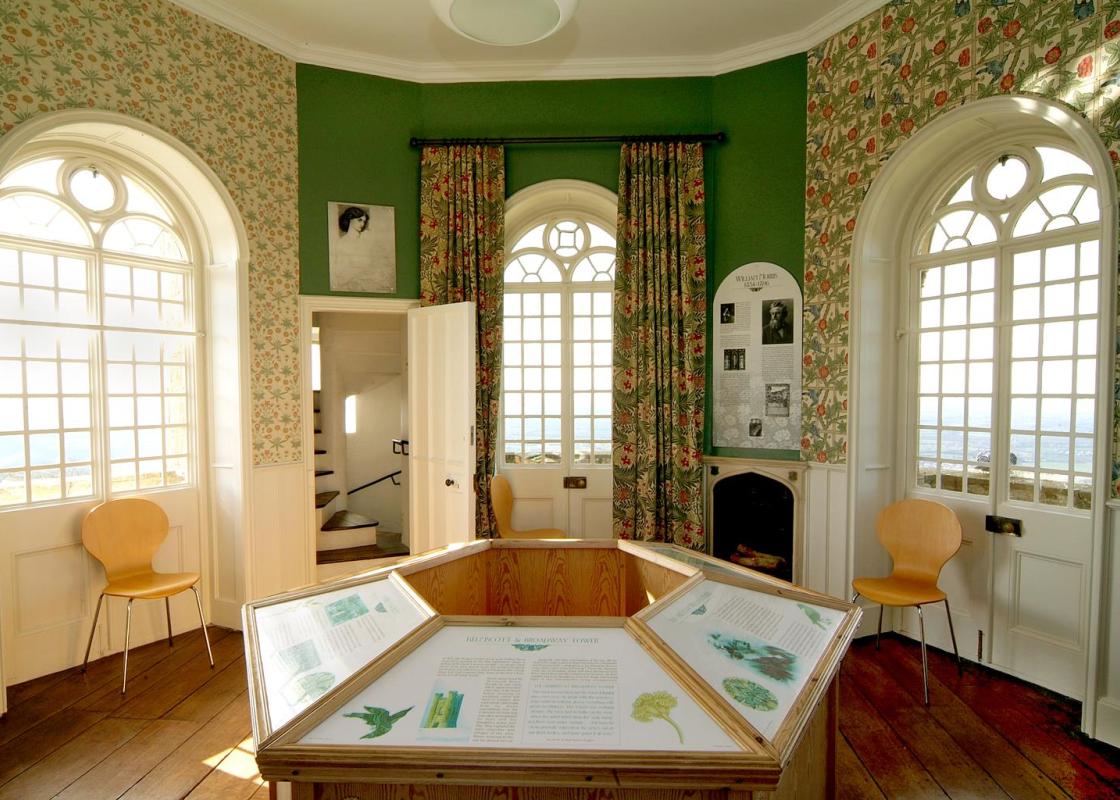
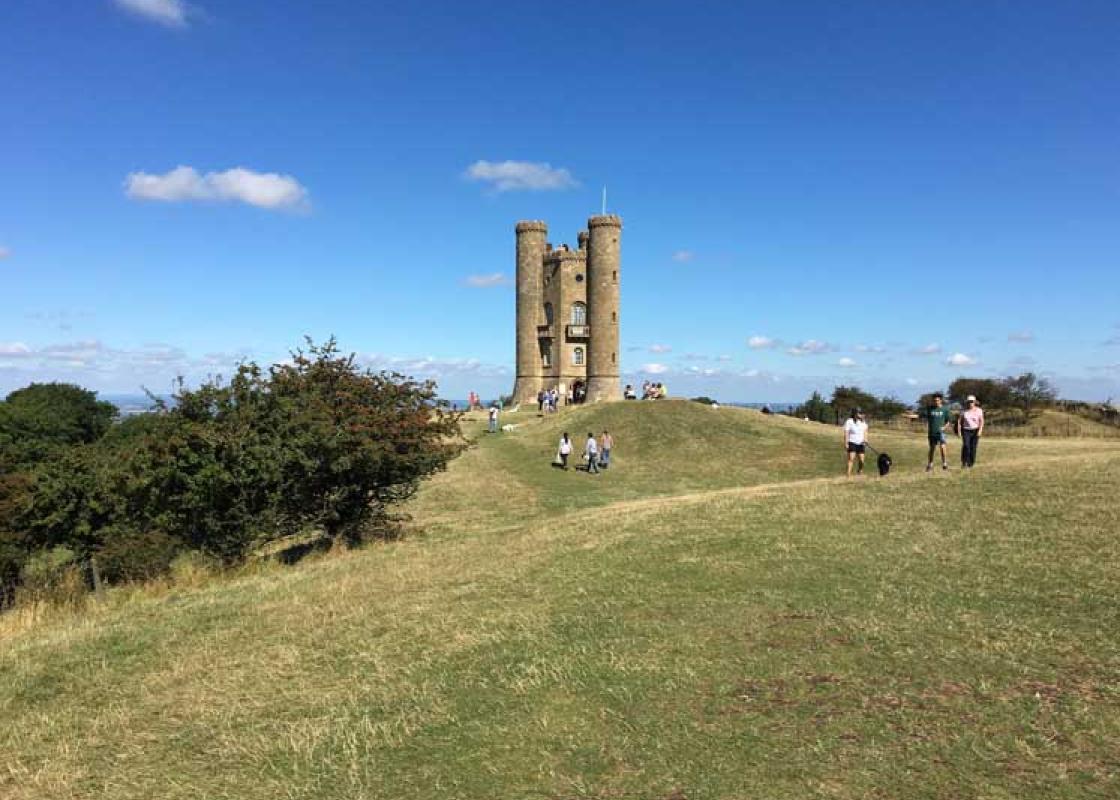
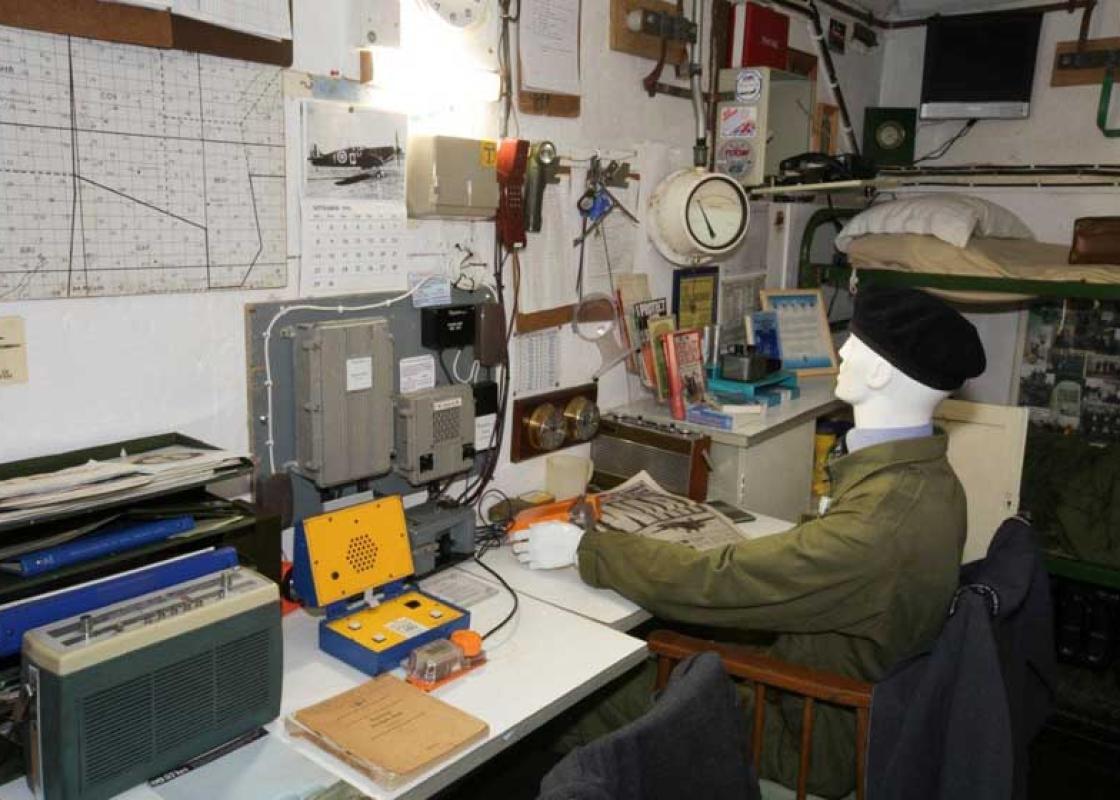
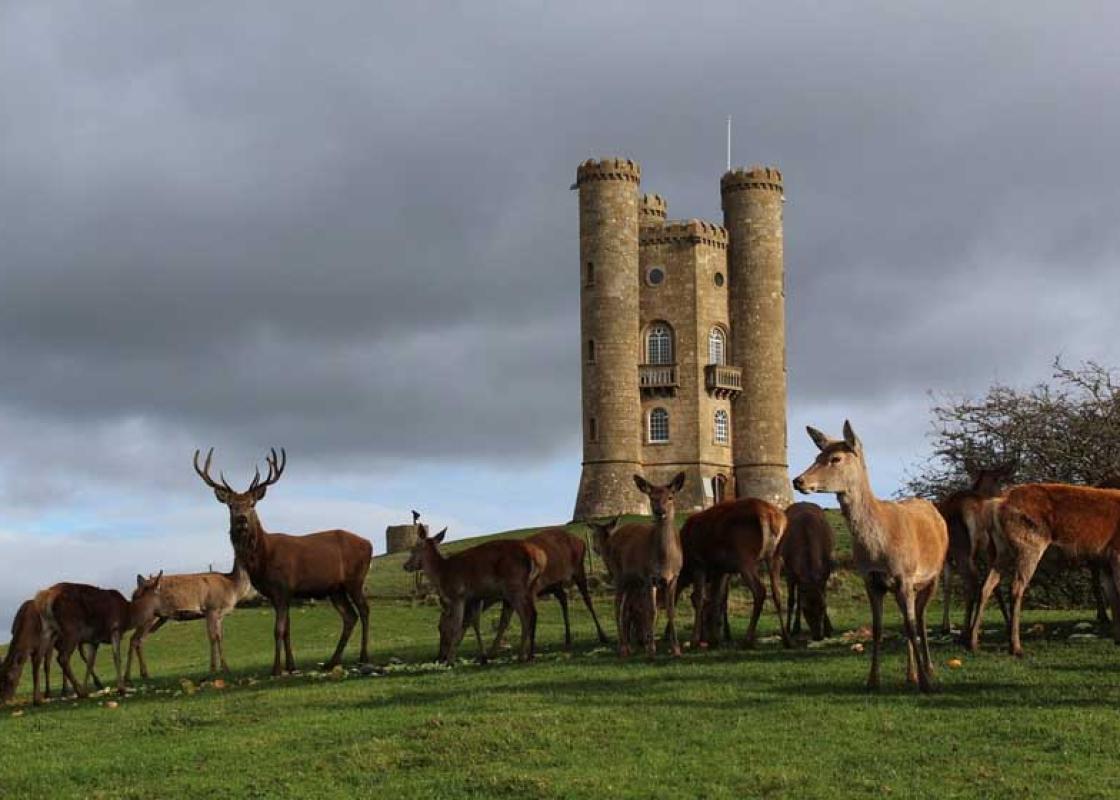
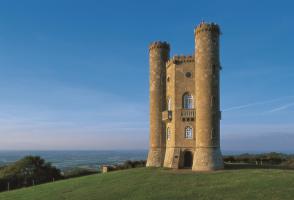
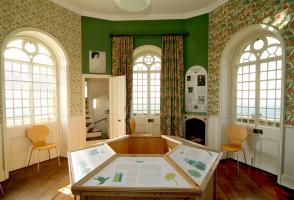
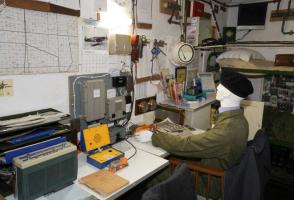
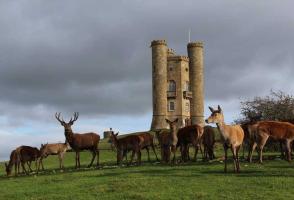
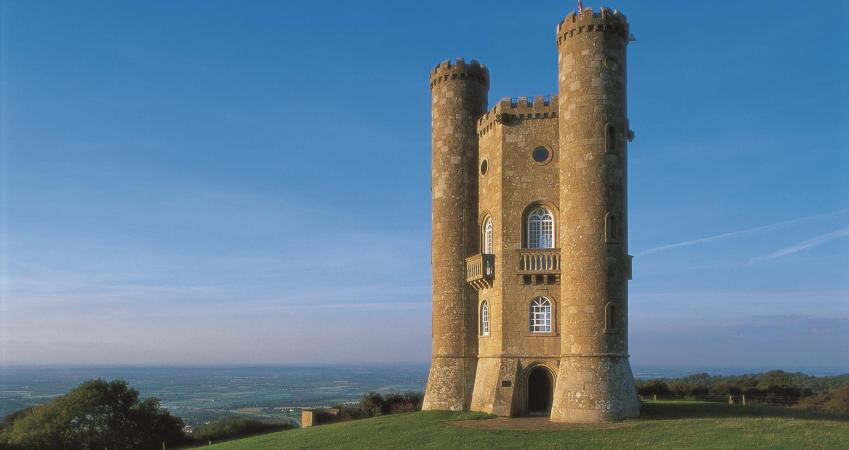
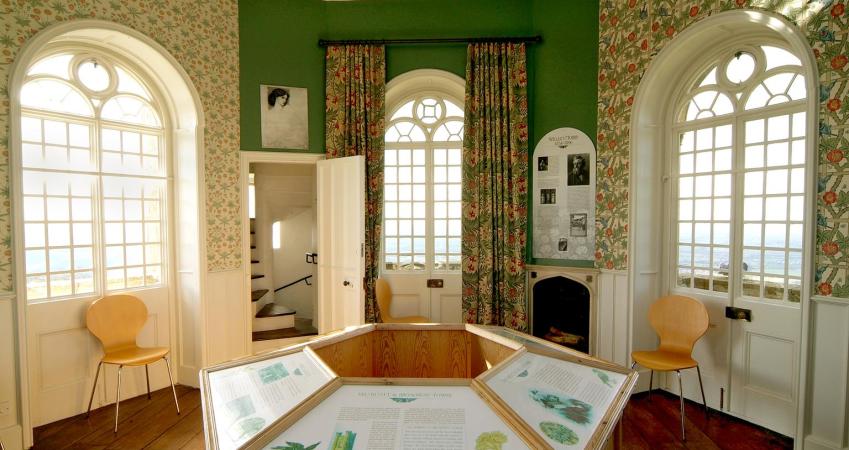
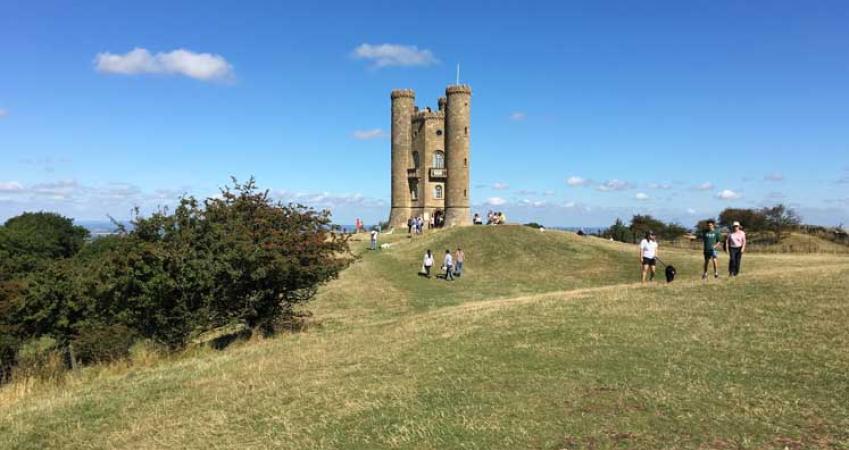
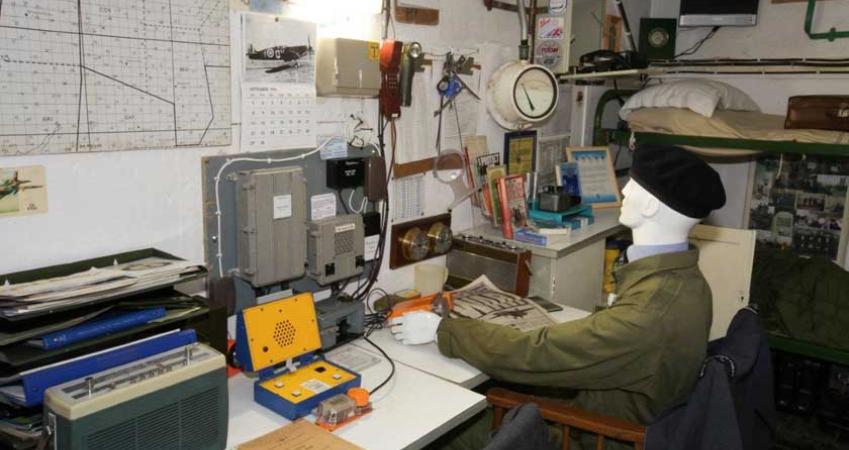
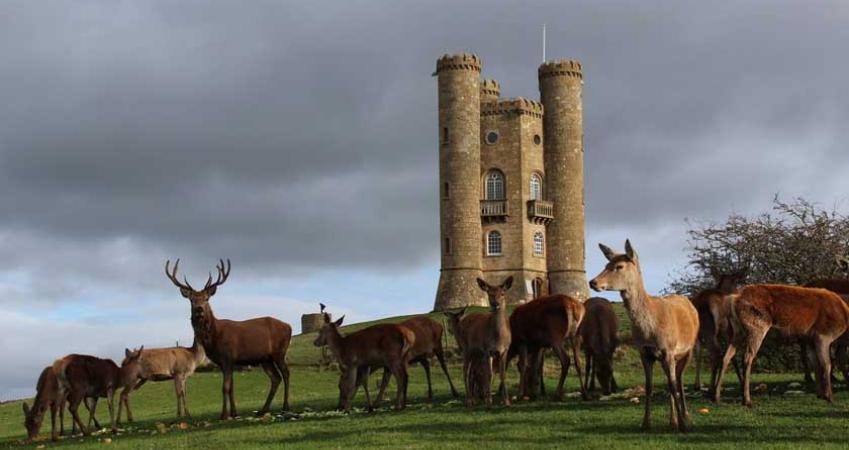
Members of the Arts and Crafts Movement used the Tower, which was completed in 1798, as a holiday retreat – artists William Morris, Dante Gabriel Rossetti and Edward Burne-Jones were frequent visitors. The vantage point was also used to track enemy planes during World War II. Nowadays there’s the Tower Museum, a rooftop viewing platform, a dog-friendly café, shop, deer park and a telescope to enhance the stunning views.
Features
- Opening Times
- Open all year
- Opening Times: Open daily 10-5; Nuclear bunker Apr-Oct, weekends & BH Mon 10-4 (weather permitting) Age restriction 12+ for Bunker; Café 9-5. Closed 25-26 Dec
- Facilities
- Parking onsite
- Cafe
About the area
Worcestershire is a county of rolling hills, save for the flat Vale of Evesham in the east and the prominent spine of the Malverns in the west. Nearly all of the land is worked in some way; arable farming predominates – oilseed rape, cereals and potatoes – but there are concentrated areas of specific land uses, such as market gardening and plum growing.
Places to eat nearby View all
Nearby places to stay
View all (8)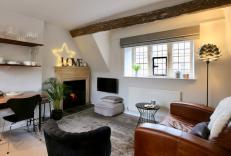

Nearby places to stay
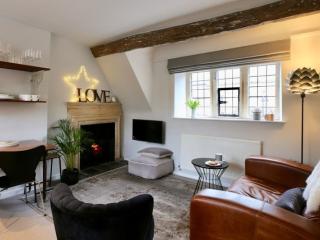
Broadway Cottages- Beagle Cottage
Beagle Cottage is a 2-storey cottage just off Broadway's Upper High Street. It comfortably sleeps 4, has a wood-burning stove in the lounge and a lovely courtyard garden with an outdoor...
Beagle Cottage
Beagle Cottage is a 2-storey cottage just off Broadway's Upper High Street. It comfortably sleeps 4, has a wood-burning stove in the lounge and a lovely courtyard garden with an outdoor...
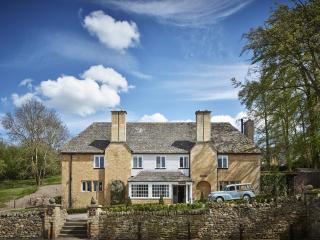
The Fish Hotel
Part of the 400-acre Farncombe Estate, The Fish benefits from far-reaching views across the Worcestershire countryside. The smartly appointed bedrooms are set on the hillside in former ...
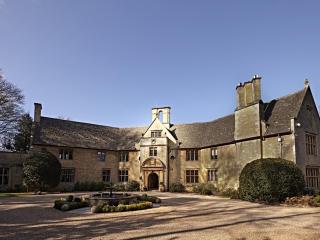
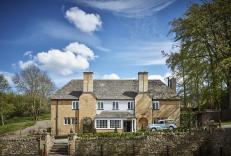
Foxhill Manor
Located on the sprawling Farncombe Estate, Foxhill Manor is an intimate country house offering outstanding hospitality. The restaurant features dishes based on the very best seasonal pr...
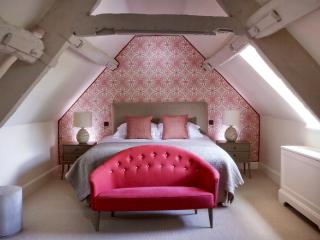
Dormy House Hotel
Dormy House is a converted 17th-century farmhouse, one of a number of luxury hotels and experiences on the 500-acre Farncombe Estate "playground". With stunning views over Broadway and ...
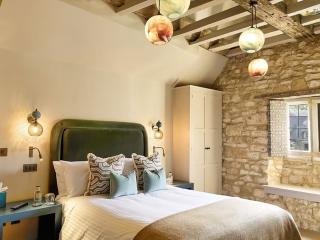
House of George W. Davies
Fans of fashion will immediately know the famous name attached to this modern retelling of the Cotswolds country house tradition. Design runs through the whole place from cosy (it is th...
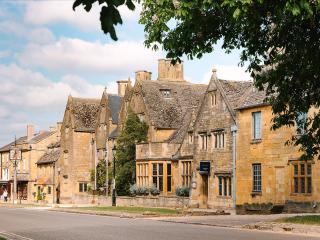
The Lygon Arms Hotel
Located in the heart of Broadway, this historic property has been welcoming guests for over 600 years. The Lygon Arms now offers an array of deeply comfortable lounges and small intimat...
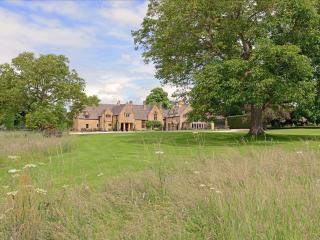
Abbots Grange Manor House Hotel
A warm welcome awaits at Abbots Grange, a 14th-century monastic manor house believed to be the oldest dwelling in Broadway. A Grade II listed building, it stands in eight acres of groun...