Rhos Goch National Nature Reserve
Recommended by


Overview
The Rhos Goch NNR, near Builth Wells, has a sequence of wetland habitats leading down through the reserve from the raised bog which lies at the northeastern end. A number of unusual plants are to be found in various parts of the reserve, including sphagnum bog mosses in the water-filled hollows which occur across the surface of the mire. Other wetland wildflowers such as bogbean, marsh cinquefoil, marsh marigold, spearworts, bladderwort, pillwort and royal fern are found here. The drier areas of the reserve are dominated by heather, cross-leaved heath and purple moor grass. Birdlife at Rhos Goch includes snipe, lapwing, reed bunting, sedge and grasshopper warblers, curlew and possibly water rail. The managed grazing at Rhos Goch creates bare muddy patches that are particularly good for invertebrates. Some rare species of beetle and spiders are present, including the scarce blue-tailed damselfly which lives in the wetter parts of the reserve.
About the area
The largest unitary authority in Wales, Powys covers an area of approximately 2,000 square miles. Much of that is mountainous because it actually has the lowest population density of all the Welsh counties.

Places to eat nearby View all


Nearby places to stay
View all (8)

Caravan & Camping
Fforest Fields Caravan & Camping Park

- Launderette
- Ice pack facility
- Cafe/Restaurant
- BBQ
Nearby places to stay
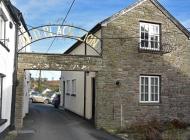
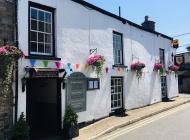
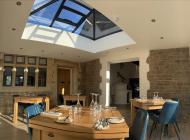
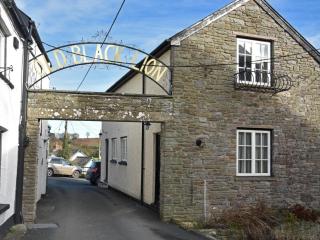
The Old Black Lion Inn
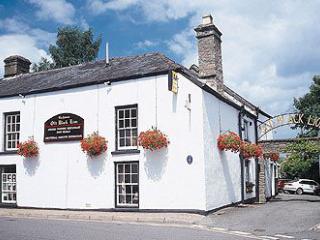
This fine old coaching inn, with a history stretching back several centuries, has a wealth of charm and character. It was occupied by Oliver Cromwell during the siege of Hay Castle. Pri...
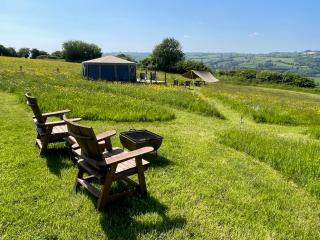
Heart of the Wye
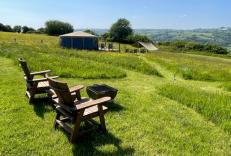
The five peaceful yurts at Heart of the Wye have their own character and style and come with BBQ, fire pit, decking, seating, dining canopy, and a valley view. There’s also an on-site r...
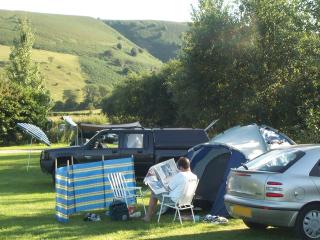
Fforest Fields Caravan & Camping Park
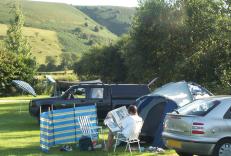
This is a constantly improving, sheltered park surrounded by magnificent scenery and an abundance of wildlife. The spacious pitches are well laid out to create optimum privacy, and the ...
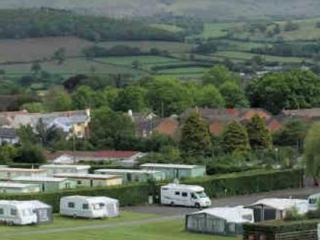
Anchorage Caravan Park
Anchorage Caravan Park is a well-maintained site with a choice of south-facing, sloping grass pitches and superb views of the Black Mountains, or a more sheltered lower area with a numb...
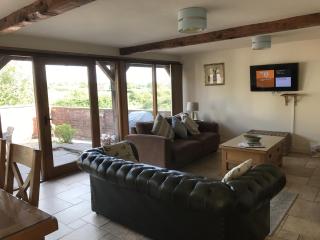
Lower House Barn
Situated between Hereford and Hay-on-Wye, Lower House Barn is the perfect place for friends or families to stay in comfort and to explore not only the Wye Valley but also the Black Moun...
Lower House Barn
Situated between Hereford and Hay-on-Wye, Lower House Barn is the perfect place for friends or families to stay in comfort and to explore not only the Wye Valley but also the Black Moun...
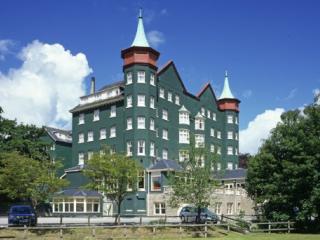
Metropole Hotel & Spa
The centre of this famous spa town is dominated by this large Victorian hotel. The lobby leads to Spencer's Bar and Brasserie and to the comfortable and elegantly styled lounge. Bedroom...
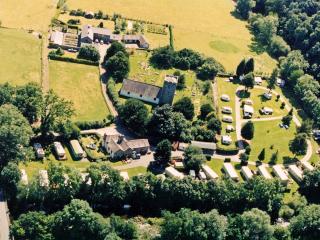
Disserth Caravan & Camping Park
By a 13th-century church, this is a delightfully secluded and predominantly adult park that sits in a beautiful valley on the banks of the River Ithon, a tributary of the River Wye. It ...