Fidler's Elbow National Nature Reserve
Recommended by


Overview
Fiddler’s Elbow NNR, on a steep-sided slope in the Upper Wye Valley near Monmouth, is a fine example of semi-natural broadleaved woodland. In spring the reserve is one of the best places in Britain to enjoy the very British spectacle of a bluebell wood in flower. Other spring flowers in the NNR include primrose, wood anemone, ramsons and lesser celandine. Some of the rarer trees in the area include large-leaved lime and two species of whitebeams, and beeches and yews, at the southwesterly end of their range. Fiddler’s Elbow is also well known for its mammal populations including the roe deer, which can do great damage to young trees. The other special creature living in the woodlands is the dormouse, which feeds on hazelnuts, of which there is a plentiful supply on the reserve. Mosses, liverworts and fungi are very well represented at Fiddler’s Elbow, including the nationally rare devil’s bolete.
About the area
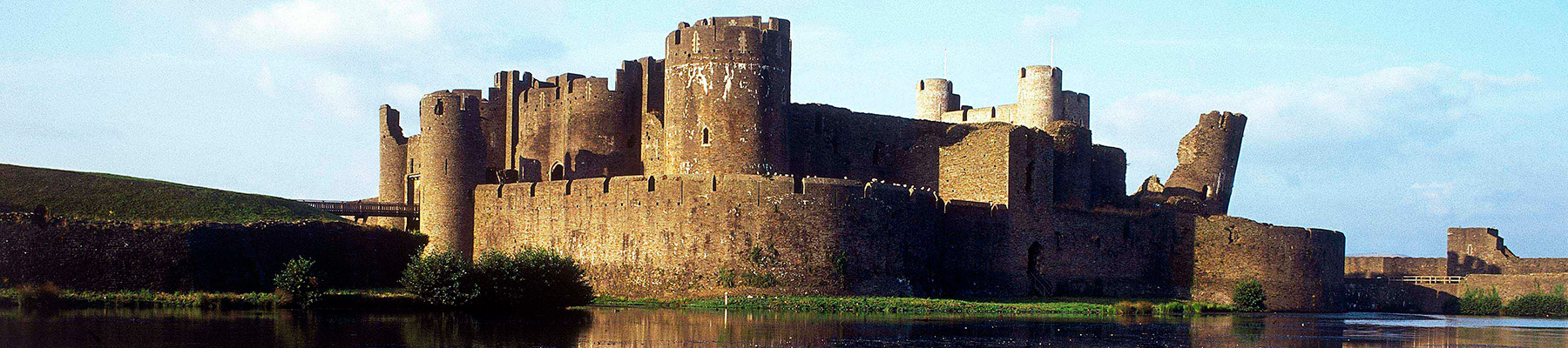
In their bid to control the borderlands of Monmouthshire – also known as the Marches – the Normans built a triangle of castles: Grosmont, Skenfrith and White. At first, they were simple wooden structures strengthened by earthworks, but when the lively Welsh refused to stop attacking them, it was decided more permanent fortresses were needed.
Places to eat nearby View all
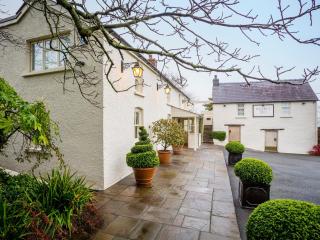
Nearby places to stay
View all (8)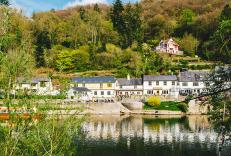




Nearby places to stay
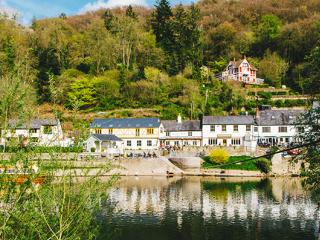
Saracens Head Inn
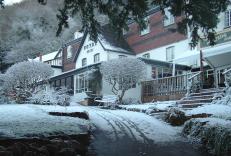
Dating from the 16th century, the friendly, family-run Saracens Head faces the River Wye and has wonderful views. The well-equipped bedrooms are decorated in a cottage style, and there ...
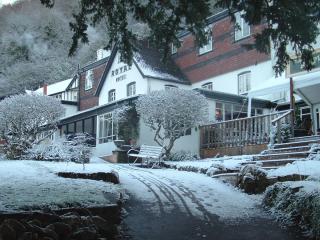
The Royal Lodge
The Royal Lodge stands at the top end of the village overlooking the River Wye. Bedrooms vary though mostly spacious and comfortable. There is a cosy lounge with an open fireplace and t...
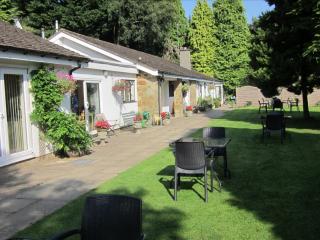
Paddocks Cottages
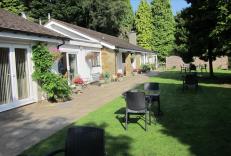
Situated in the picturesque and tranquil area of Symonds Yat, The Cottage makes a perfect base for exploring the Wye Valley. Enjoy the beautiful countryside of three surrounding countie...
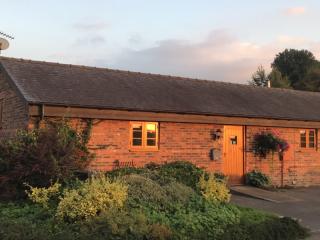
Cowshed Cottage & The Dairy
Cowshed Cottage and The Dairy are finished to an exceptional standard, providing a cosy and comfortable base for your next holiday. Located near to the pretty Gloucestershire village of...
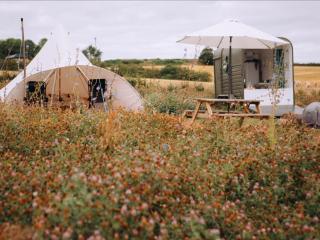
Rockfield Glamping
Located on a working farm in a stunning landscape of undulating hills, quality, well spaced bell tents are strategically placed to maximise the excellent views. Interiors are furnished ...
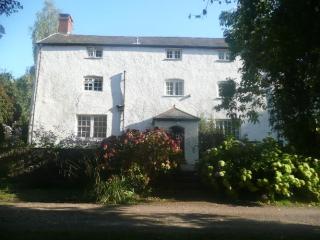
Church Farm Guest House
Located in the village of Mitchel Troy, this 16th-century former farmhouse retains many original features including exposed beams and open fireplaces. There is a range of bedrooms and a...
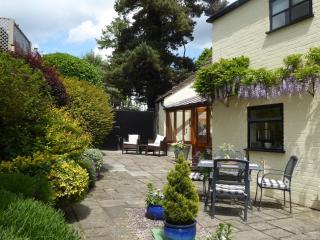
The Coach House
The Coach House is a converted Coach House in historic and tranquil village of Newland furnished to high standard. Expect three large bedrooms, two bathrooms, laundry, open fire, cycle ...
The Coach house
The Coach House is a converted Coach House in historic and tranquil village of Newland furnished to high standard. Expect three large bedrooms, two bathrooms, laundry, open fire, cycle ...