Merthyr Mawr National Nature Reserve
Recommended by


Overview
The Merthyr Mawr NNR, near Bridgend, was once joined to the Kenfig Pool and Dunes NNR (see above), in a continuous belt of sand and dune systems which ran along the coast from the Ogmore estuary to the Gower Peninsula. The sand dunes at Merthyr Mawr are unusual because they have formed against the Carboniferous limestone plateau, making the dunes the second highest in Europe. The reserve contains examples of the successional stages of dune formation, from bare sand, embryonic dunes to stabilised dunes and slacks further inland. The dune slacks are home to orchids such as the marsh helleborine, which flowers at the end of June and into July. Earlier in the year the southern marsh orchid and the early marsh orchids come into flower, and the rare creeping willow is much in evidence. The diversity of plant life supports a wide range of invertebrates, and there are a number of rare species at Merthyr Mawr, such as the dune tiger beetle, cuckoo bee, solitary wasp and mining bee.
About the area
The country of Bridgend is home to the town of the same name. Some 22 miles west of Cardiff, one of the commuter town’s most notable feature is Merthyr Mawr, a huge stretch of grassy sand dunes and a Site of Special Scientific Interest (SSSI), leading down to the sea.
Places to eat nearby View all







Nearby places to stay
View all (8)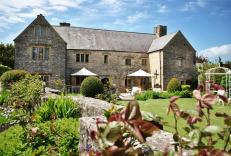


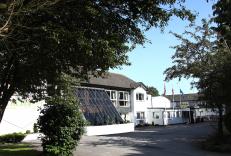
Hotel
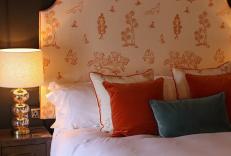
Best Western Premier Heronston Hotel & Spa

- Family rooms: 3
- Free TV
- WiFi available
- Lift available
Nearby places to stay
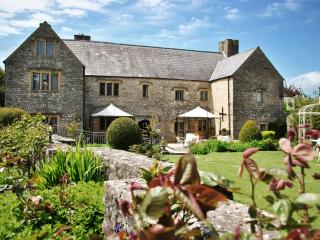
The Great House
This 15th-century Grade II listed building has been lovingly restored and retains a wealth of original features; it is believed to have been a gift from Elizabeth I to the Earl of Leice...
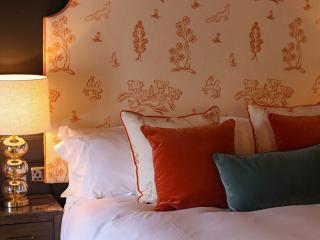
The Hideaway @ The Fox
The Hideaway is located at the Fox, a modern country pub in the Vale of Glamorgan, a five minute drive from Dunraven Bay on the beautiful Welsh south coast. It is the only room and is p...
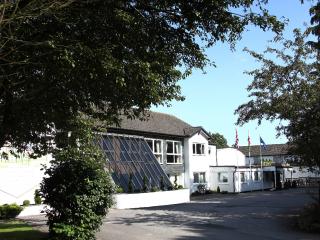
Best Western Premier Heronston Hotel & Spa
Situated within easy reach of the town centre and the M4, Best Western Premier Heronston Hotel & Spa offers spacious, well-equipped accommodation, including ground-floor rooms. Public a...
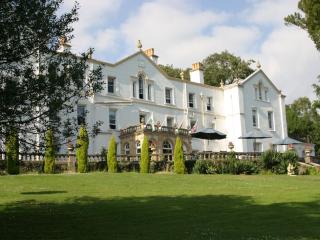
Court Colman Manor
Steeped in history, this country manor hotel lies in the foothills of the Garw Valley. It originally belonged to the Margam Abbey until its dissolution, before becoming a private reside...
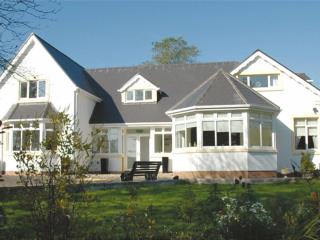
Hazelwood Guest House
Located just outside Bridgend, Hazelwood is a popular guest house that offers a range of well-equipped bedrooms, including some on the ground floor. Breakfast is taken in the comfortabl...

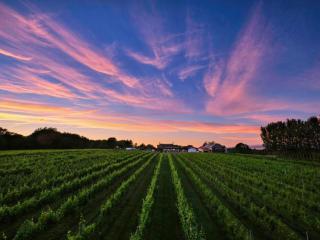
Llanerch Vineyard
The hotel is delightfully part of a working vineyard with views over the vines and the countryside beyond. Wine is naturally a central focus here with many of the vineyards own wines an...
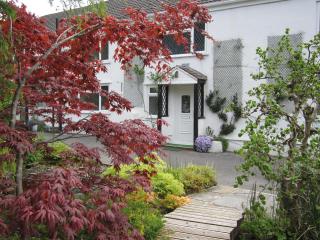
Cwmbach Cottages Guest House
This terrace of former miners' cottages has been restored to provide a range of thoughtfully furnished bedrooms, with one on the ground floor for easier access. Spacious public areas in...
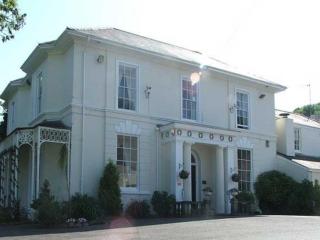
Norton House Hotel
Norton House Hotel is a quaint Georgian mansion house set in a central location of the Mumbles. As well as period charm, all the modern conveniences are on offer. Resident's bar a highl...