Spurn National Nature Reserve
Recommended by


Overview
The four-mile-long, narrow, crooked finger of sand of Spurn Point NNR beckons out from the Holderness coast across the mouth of the mighty Humber. It is probably most famous for its migratory birds, and huge numbers pass through Spurn during the year. The adjacent Humber Estuary is of international importance for its vast numbers of wildfowl and wading birds, which can be seen passing through in spring, autumn and winter. Plants include marram grass on the dunes mixed with stunted elder and orange-berried sea buckthorn bushes. On the Humber side of Spurn, a strip of saltmarsh lies between the land and the mudflats, supporting colourful flowering plants including sea lavender, sea aster and sea rocket, along with common glasswort and eel grass. Curlew, grey plover and knot also use the saltmarsh to roost at high tide, and shelduck and Brent geese are conspicuous on the mudflats during winter. Birdwatching will not only reveal passing seabirds, including the locally breeding little tern in the summer, but also harbour porpoises and even a passing minke or humpback whale.
Features
- Opening Times
- Open all year
About the area
Yorkshire’s East Riding is the only one left of a trio of ‘ridings’ which existed up until 1974. The North and West are gone, to be replaced by North, South and West Yorkshires.

Places to eat nearby View all

Nearby places to stay
View all (8)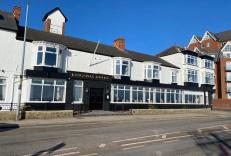






Nearby places to stay
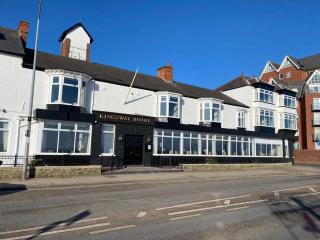
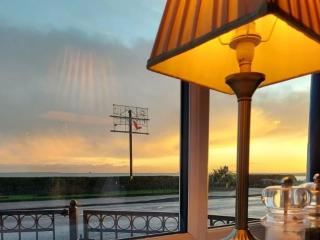
Kingsway Hotel
The Kingsway is a historic hotel which first opened its doors in 1926, but has since revamped its interior to a more contemporary décor. Ideally located on the seafront of Cleethorpes, ...
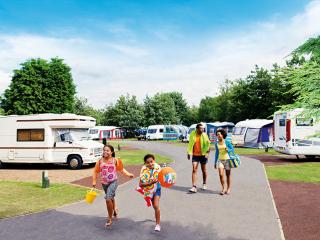
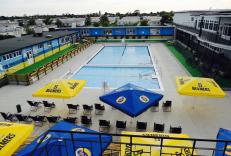
Cleethorpes Beach
A large static site, adjacent to the beach, with touring facilities including fully serviced pitches and hardstandings. This holiday centre offers excellent recreational and leisure act...
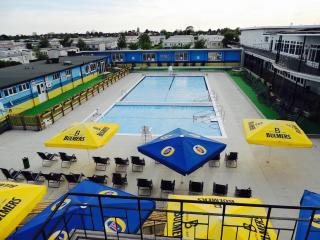
Cleethorpes Pearl Holiday Park
Beachcomber is the ideal location to enjoy a relaxing break on a fun filled family holiday. Situated in the popular coastal resort of Cleethorpes, it is the perfect place to enjoy tradi...
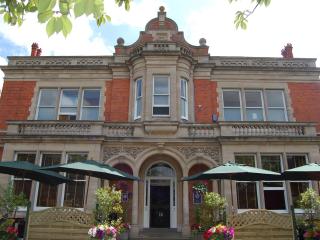
Millfields Hotel
Millfields Hotel is located in the heart of Grimsby and is a go-to place for a variety of reasons. There's ample parking onsite, and the bar and lounges are open all day to socialise. T...
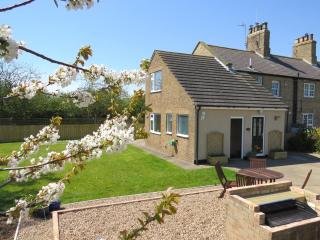
Coastguard Holiday Cottage
Coastguard Holiday Cottage is a self-catering holiday cottage, right on the Humber Estuary. There are three double bedrooms, and well-behaved pets are welcome. The recently refurbished ...
Coastguard Holiday Cottage
Coastguard Holiday Cottage is a self-catering holiday cottage, right on the Humber Estuary. There are three double bedrooms, and well-behaved pets are welcome. The recently refurbished ...
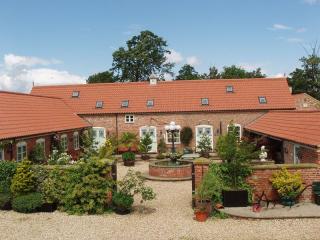
Lavender Cottage
...
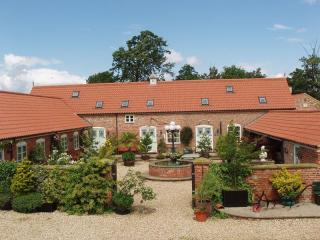
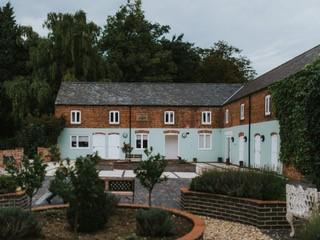
Beech Farm Cottages
Unwind in an award-winning cottage on the outskirts of Tetney village in beautiful Lincolnshire countryside, close to Grimsby, Cleethorpes and Louth. Originally a 19th-century dairy far...