Humberhead Peatlands National Nature Reserve
Recommended by


Overview
At 11 square miles, the Humberhead Peatlands NNR represents the largest area of raised bog wilderness in lowland Britain. It is dissected by the M18 and comprises Thorne, Goole, Crowle and Hatfield Moors. The moors are remnants of wetland that occupied the floodplain of the Humberhead Levels at the end of the Ice Age, and represent one of the country’s rarest and most threatened habitats. A wide range of habitats supports the 5,000 species of plants and animals which have been recorded on the reserve, of which more than 4,000 are insects and include at least six species found nowhere else in Britain. There is also a sizable population of adders on the Moors, and the nocturnal, insect-eating nightjar also breeds here. More than 200 bird species have been recorded and about 75 have bred. Winter visitors include whooper swans, pink-footed geese and short-eared owls. From March-July a very special summer visitor is the diminutive woodlark and oystercatcher, lapwing, ringed plover and great crested grebe can be spotted around the lakes.
About the area
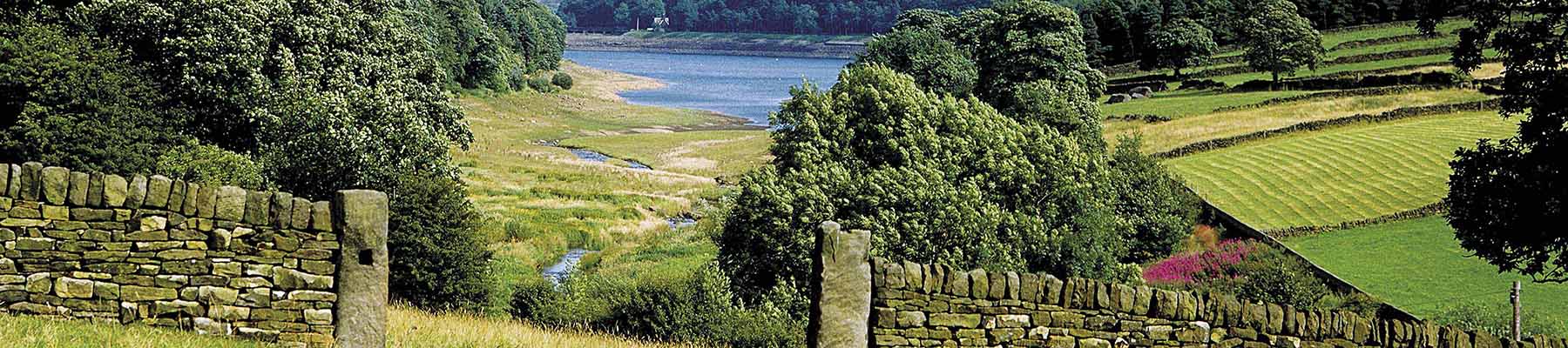
Traditionally a steel and coal producing centre, the decline of both industries in South Yorkshire has been replaced to some extent by tourism based around the area’s beautiful Pennine countryside. The county claims part of the Peak District National Park, whose hills and dales provide welcome space for the large urban populations.
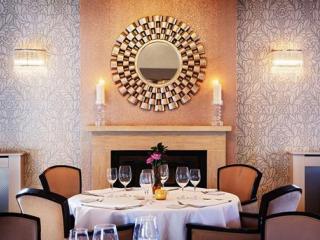
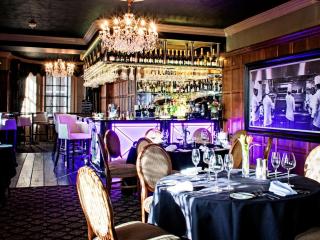
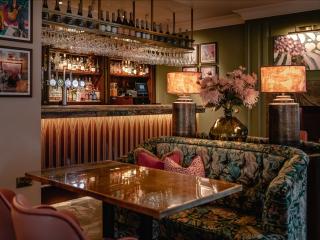
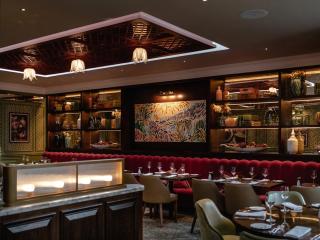
Places to eat nearby View all


Nearby places to stay
View all (8)


Nearby places to stay
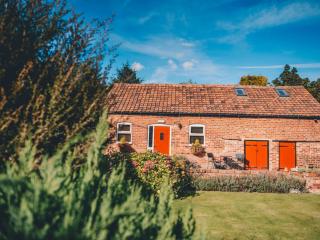
Home Farm & Lodge
Kerry and Richard look forward to welcoming you to Home Farm and Lodge, situated in the historical village of Austerfield, birth place of the Pilgrim Father, William Bradford. The 18th-...
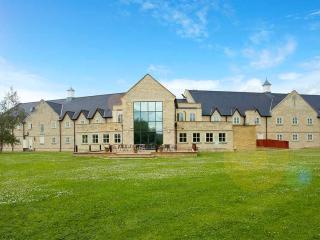
Best Western Plus Pastures Hotel
Best Western Plus Pastures Hotel is set in a rural area beside a working canal with distant views of Conisbrough Castle. It is within easy reach of the main motorways, and convenient fo...
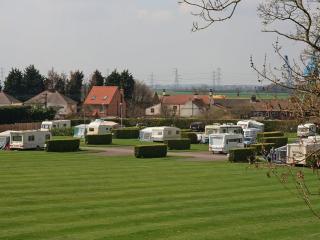
Brookside Country Park
Woodland behind the Brookside Country Park is just the place for walks with the dog, while 350 yards away is the Ferry House Inn and its riverside garden. Walk half a mile to reach Burt...
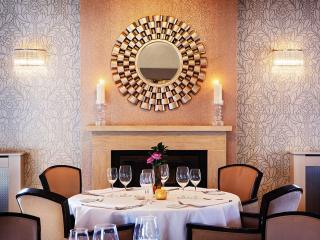
San Pietro Restaurant Rooms
This family-run restaurant with rooms was purpose-built and offers comfortable, modern and stylish accommodation. Bedrooms and bathrooms provide a range of additional extras such as sma...
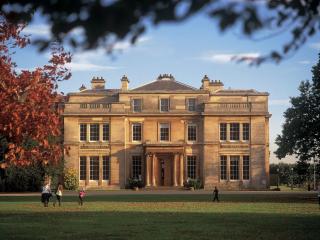
Normanby Hall Country Park
Normanby Hall Country Park is an idyllic estate set in the heart of North Lincolnshire. Open to the public every day of the year, the park is a great place for a day out. It also has a ...
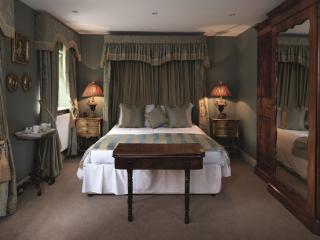
Ye Olde Bell Hotel & Spa
This refurbished 17th-century hotel is conveniently located just off the A1 between Retford and Doncaster, in the village of Barnby Moor. Public rooms have a wealth of original characte...
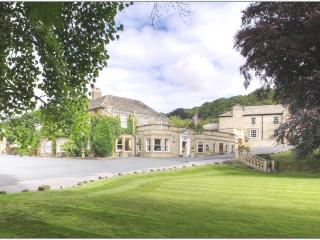
Wentbridge House Hotel
Wentbridge House Hotel sits in 20 acres of landscaped gardens and offers spacious, well-equipped bedrooms and a choice of dining styles. Service in the Fleur de Lys restaurant is polish...
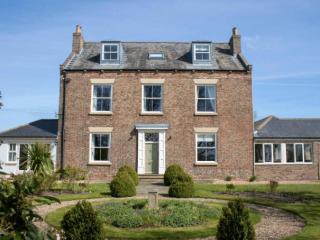
Wressle Grange
Wressle Grange offers you a Yorkshire country escape in luxury self-catering accommodation. Only a few miles from York, Wressle Grange is based on a working arable family farm, where yo...