Cotswold Commons & Beechwoods National Nature Reserve
Recommended by


Overview
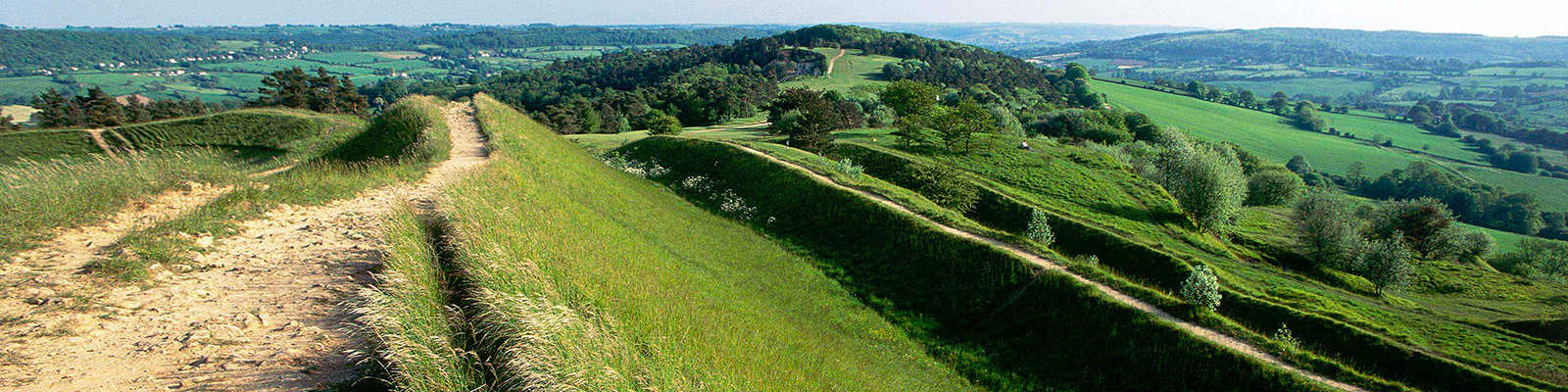
Cotswold Commons and Beechwoods NNR includes some of Britain’s finest beech woods and limestone grasslands. The grasslands of the commons feature a rich limestone flora including yellow rattle, knapweed, harebell and wild thyme. Early summer sees an impressive display of orchids, among them early purple, pyramidal, greater butterfly, common spotted and fragrant. All these plants support an abundance of insects, most notably butterflies including chalk hill blue, small blue, dingy skipper, green hairstreak and the rare Duke of Burgundy fritillary. Skylarks and tree pipits breed and kestrels and buzzards are often seen overhead. The beech woodlands are host to plants including green hellebore, common wintergreen, bird’s-nest orchid and broad-leaved helleborine. A number of nationally rare plants also occur, including fingered sedge, stinking hellebore and yellow star of Bethlehem. Woodland animals include rare spiders and snails – all restricted to ancient woodland sites. Butterflies include silver-washed fritillary and white-letter hairstreak, and breeding birds include tawny owl, buzzard and wood warbler. Buckholt Wood is especially noted for being home to over 780 species of fungi.
About the area
Gloucestershire is home to a variety of landscapes, including the Cotswolds, a region of gentle hills, valleys and gem-like villages that roll through the county. To their west is the Severn Plain, watered by Britain’s longest river and characterised by orchards and farms marked out by hedgerows that blaze with mayflower in the spring; beyond the Severn are the Forest of Dean and the Wye Valley.
Places to eat nearby View all


Nearby places to stay
View all (8)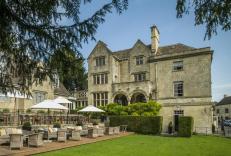




Nearby places to stay
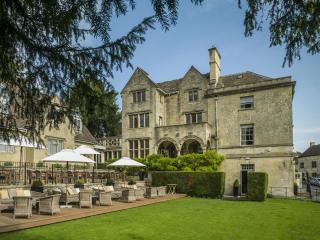
The Painswick
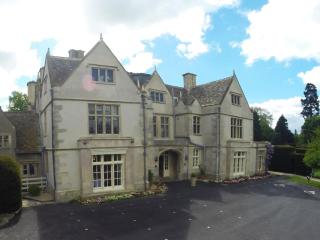
The Painswick has had a varied history since being built in the late 18th century, including being a vicarage, guest house and hotel. The ornate architecture has been preserved, with th...
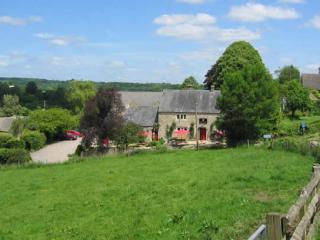
The Crown Inn
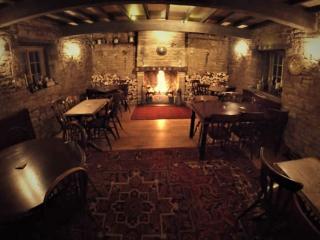
The Crown Inn was a cider house in the 17th century, and guests today will find that roaring log fires, locally brewed ales and traditional, home-cooked food are all on offer. The comfo...
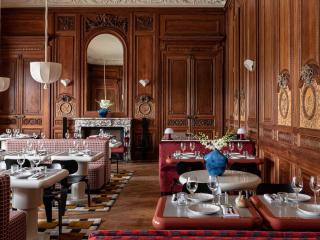
Cowley Manor Experimental
Originally built in 1695 and once owned by English kings, Cowley Manor holds a rich heritage. This Grade II listed property is set on a 55 acre estate and has 36 bedrooms, some set in t...
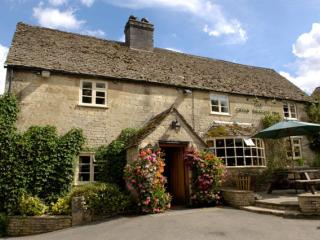
The Green Dragon Inn
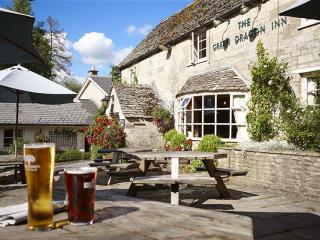
The Green Dragon offers all the charm and character of an English country pub combined with a relaxed atmosphere and carefully prepared food made with local produce; dinner is particula...
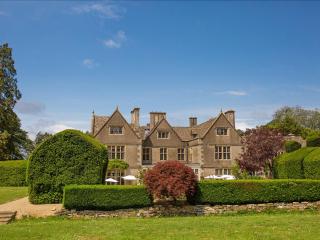
The Greenway Hotel & Spa
The Greenway Hotel & Spa has a wealth of history and is peacefully located in a delightful setting within easy reach of the many attractions of the Cotswolds and also the M5. Bedrooms a...
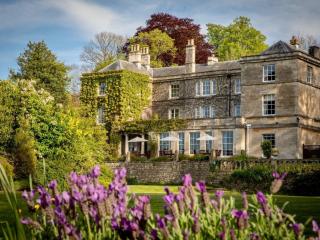
Burleigh Court Hotel
Burleigh Court Hotel is a former gentleman's manor house that dates back to the 18th century, and is set in a secluded and elevated, though accessible, position with some wonderful coun...
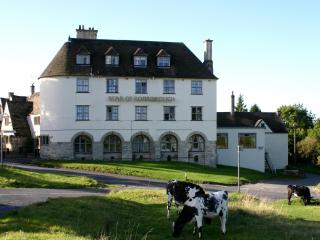
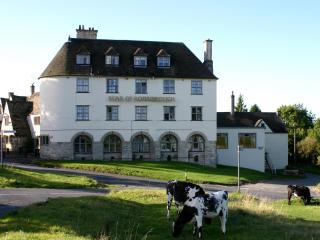
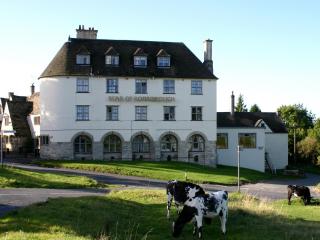
The Bear of Rodborough
The Bear of Rodborough is a popular 17th-century coaching inn situated high above Stroud in acres of National Trust parkland. Character abounds in the lounges and cocktail bar, and in t...
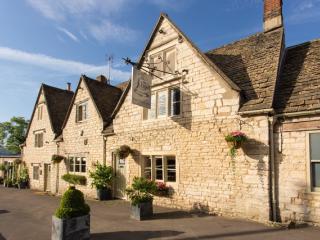
The Bell Inn
The Bell Inn in Selsey, is a traditional 16th-century Grade II listed country inn that provides quality and comfort throughout. Guests can choose from a selection of real ales in the ba...