Rodney Stoke National Nature Reserve
Recommended by


Overview
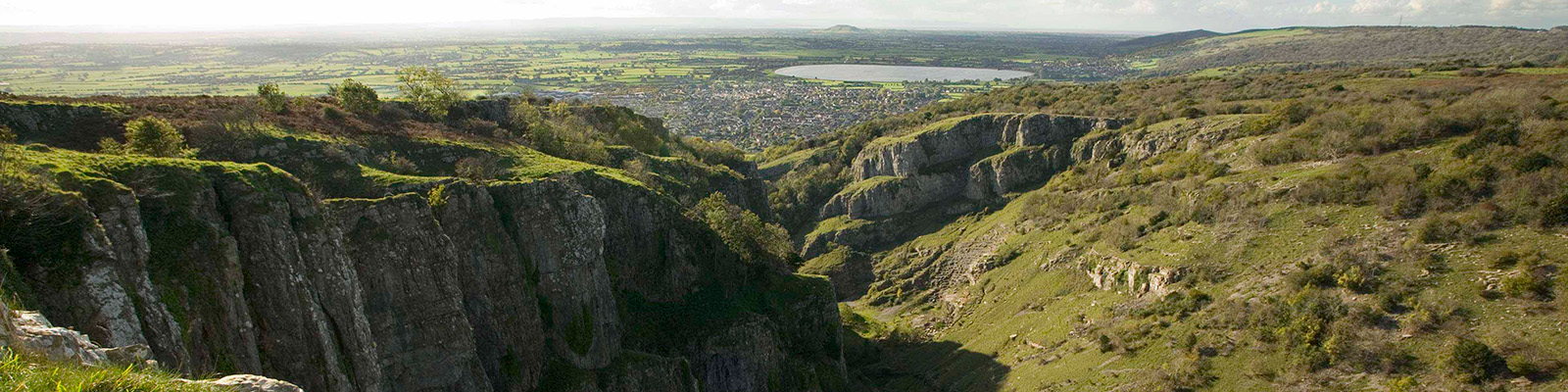
Rodney Stoke NNR is an ash/lime woodland on the southern scarp of the Mendip Hills, five miles northwest of Wells. The woodlands are mostly broadleaved trees and the grassland is rooted in shallow soil above limestone bedrock. Many plants on the reserve are characteristic of ancient woodlands, such as wood anemone, nettled-leaved bellflower, meadow saffron and wood spurge, but the nationally rare purple gromwell can also be spotted in the woodlands. Continued small-scale coppicing and maintenance encourages these rare plants to flourish. Pipistrelle and noctule bats roost in the woods and 46 species of breeding birds have been recorded,including buzzard and summer visitors such as the spotted flycatcher. Conservation grazing of the grassland encourages species such as early-purple orchid, bird’s foot trefoil, marjoram, rockrose and salad burnet. In their turn, the many flowers support a range of insects, including many butterfly species such as marbled white, purple hairstreak, brown argus and grayling.
About the area
Somerset remains rural and unspoiled, and ever popular areas to visit are the limestone and red sandstone Mendip Hills rising to over 1,000 feet, and by complete contrast, to the south and southwest, the flat landscape of the Somerset Levels. Another popular spot, the Quantocks, once the haunt of poets Coleridge and Wordsworth, are noted for their gentle slopes, heather-covered moorland expanses and red deer.
Places to eat nearby View all




Nearby places to stay
View all (8)
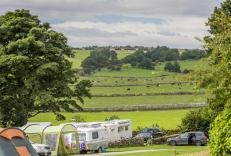
Caravan & Camping
Cheddar Mendip Heights Camping & Caravanning Club Site

- Launderette
- Ice pack facility
- Shop onsite
- Wifi available
Nearby places to stay
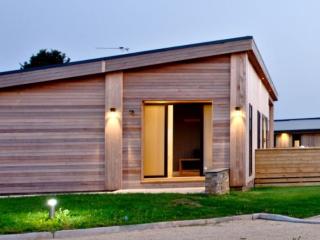
Strawberryfield Park
Strawberryfield Park offers 24 contemporary and sustainable eco-holiday lodges, ideal for couples or families, sleeping either 2 or 4. The lodges are located on a 14 acre estate set in ...
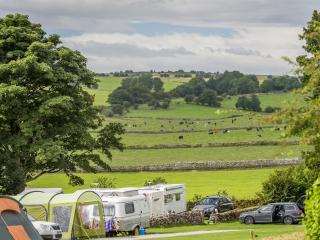
Cheddar Mendip Heights Camping & Caravanning Club Site
A gently sloping site set high on the Mendip Hills and surrounded by trees. This excellent campsite offers really good facilities, including top notch family rooms and private cubicles ...
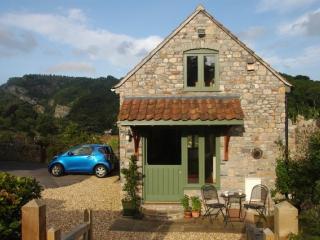
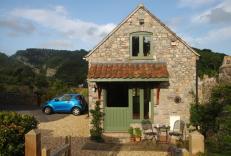
Gorge View Cottage
Gorge View Cottage is an award-winning ,sustainable self-catering holiday cottage for two, nestling in the foothills of the Mendip Hills Area of Outstanding Natural Beauty. Originally a...
Gorge View Cottage
Gorge View Cottage is an award-winning ,sustainable self-catering holiday cottage for two, nestling in the foothills of the Mendip Hills Area of Outstanding Natural Beauty. Originally a...
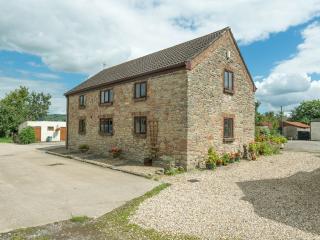
Honeysuckle Cottage
On a traditional family farm with a small pedigree Dexter beef herd, sheep and turkeys in the heart of rural Somerset, this recent barn conversion maintains olde-worlde charm but offers...
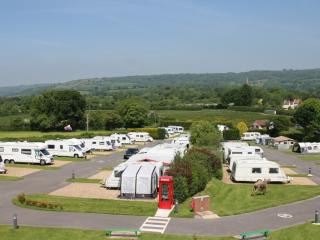
Wells Touring Park
This well established, adults-only holiday park has first-class toilet facilities and many hardstandings, some of which are fully serviced. It is a restful park set in countryside on th...
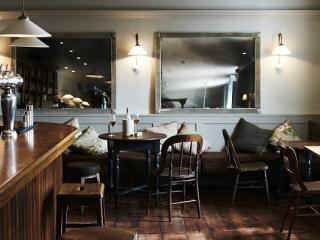
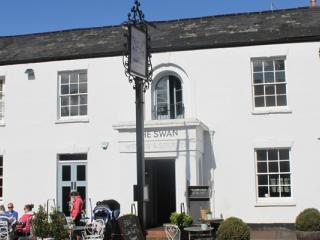
The Swan
The Swan is a well-loved local set in the heart of Wedmore village. Stylish bedrooms are all located above the inn and provide impressive levels of comfort and quality with individualit...
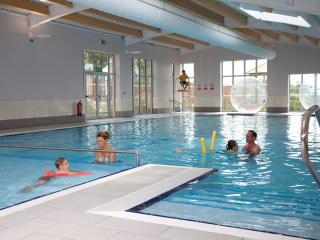
Cheddar Woods Resort & Spa
Situated in the beautiful Mendip Hills, Cheddar Woods is the perfect place to relax and unwind, and this state-of-the-art park is an ideal location for family holidays. Both large and s...