Westhay Moor National Nature Reserve
Recommended by


Overview
At Westhay Moor NNR, north of the village of Westhay, restored peat diggings have been transformed into a network of open water and reed beds, making it one of the top birdwatching locations in Britain. It also has the largest surviving fragment of lowland acid mire in the South West. In summer metallic dragon and damselflies like the banded-demoiselle dragonfly dance among the reeds, and carnivorous sundew plants spread across the lush wetlands. You may also see some of the breeding populations of hobby and reed warbler. In winter birds from all over northern and eastern Europe, including goldeneye, goosander and little grebe, flock to the reserve for its lakes and reed beds. If you’re up early enough you might catch a glimpse of an otter family travelling the waterways that criss-cross the marshes, a water vole burrowing in the dank ditches, or a bittern booming in the reed beds. Every winter the skies over the Avalon Marshes turn black as they fill with millions of starlings arriving to roost among the reed beds.
About the area
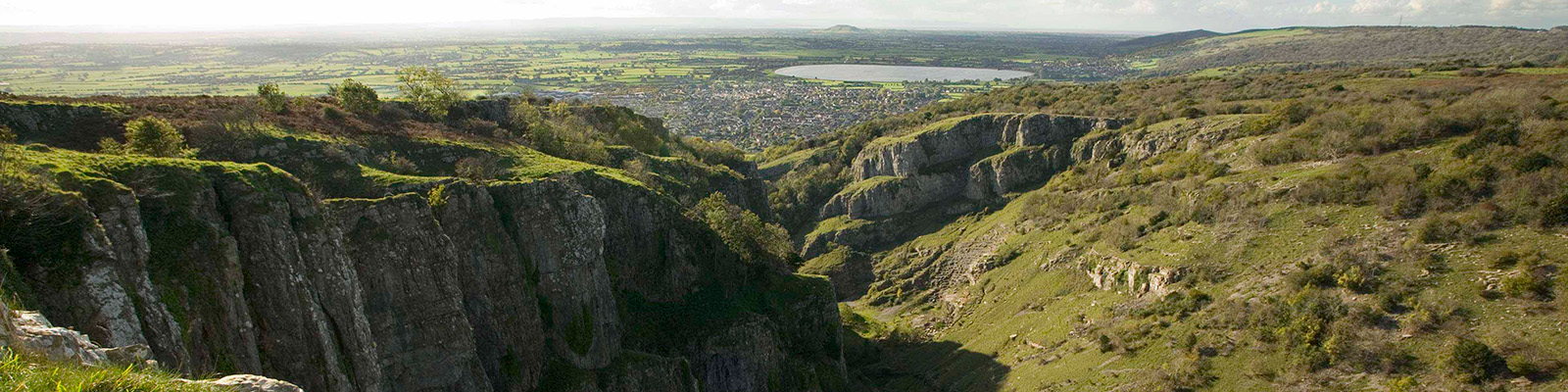
Somerset remains rural and unspoiled, and ever popular areas to visit are the limestone and red sandstone Mendip Hills rising to over 1,000 feet, and by complete contrast, to the south and southwest, the flat landscape of the Somerset Levels. Another popular spot, the Quantocks, once the haunt of poets Coleridge and Wordsworth, are noted for their gentle slopes, heather-covered moorland expanses and red deer.
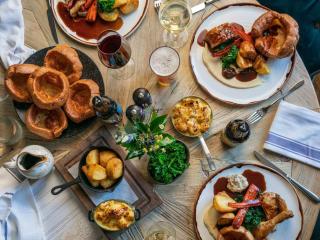
Places to eat nearby View all
Nearby places to stay
View all (8)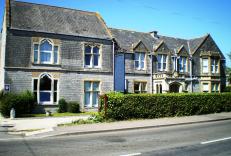

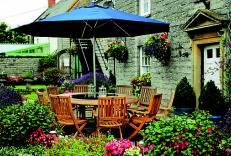



Nearby places to stay
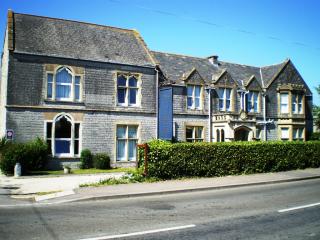
Meare Manor
Dating from 1802, Meare Manor is a historic house in the heart of Meare, a village once owned by the monks of Glastonbury Abbey. Now a family-run guesthouse, it’s a popular base for vis...
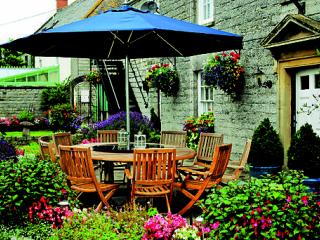
Double-Gate Farm
Double-Gate Farm is a family-run B&B at the heart of the Somerset Levels. Great rooms with amazing views and a hearty breakfast. Ideal for singles or families and for those needing larg...
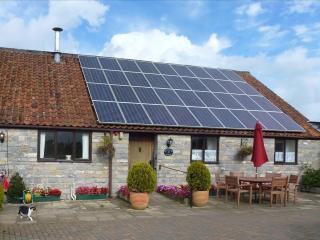
Double-Gate Farm (Swallow Barn)
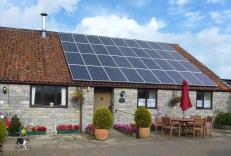
Double-Gate Farm offers a delightful barn conversion with two first-floor and one ground floor en suite bedrooms. All ground-floor areas are accessible. Minimum stay 3 nights....
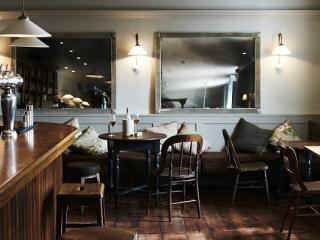
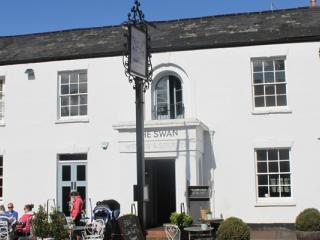
The Swan
The Swan is a well-loved local set in the heart of Wedmore village. Stylish bedrooms are all located above the inn and provide impressive levels of comfort and quality with individualit...
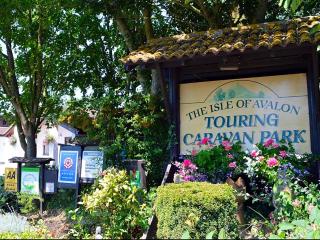
Isle of Avalon Touring Caravan Park
A popular site, on the south side of this historic town, and within easy walking distance of the centre. It is a level park, with a separate tent field, that offers a quiet environment....
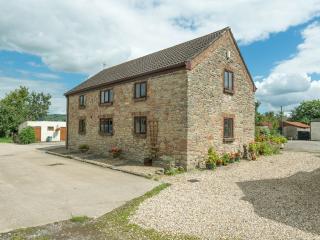
Honeysuckle Cottage
On a traditional family farm with a small pedigree Dexter beef herd, sheep and turkeys in the heart of rural Somerset, this recent barn conversion maintains olde-worlde charm but offers...
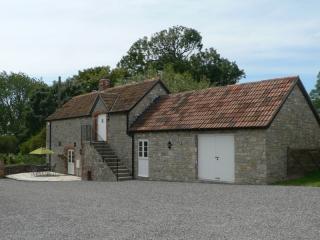
Yew Tree Barn
With views of Glastonbury Tor and over the Somerset Levels to the Polden Hills, Yew Tree Barn is a perfect place to unwind and a great spot for exploring the Somerset countryside and en...
Yew Tree Barn
With views of Glastonbury Tor and over the Somerset Levels to the Polden Hills, Yew Tree Barn is a perfect place to unwind and a great spot for exploring the Somerset countryside and en...