Roudsea Wood & Mosses National Nature Reserve
Recommended by


Overview
Roudsea Wood and Mosses NNR is a complex site comprising four main habitats: coastal salt marsh, acid woodland, coppiced limestone woodland and lowland raised mire. Over 500 plant and 280 fungi species are found in the reserve, including the very rare large yellow sedge, and the local Lancaster whitebeam tree. Animals found on the reserve include hazel dormouse (at its northwest European limit), otter and brown hare and the area supports over 50 species of breeding birds such as nightjar, hawfinch, sparrowhawk, woodcock and marsh tit. A large number of rare and scarce insects are found, including the short-winged cone-head cricket, bog-bush cricket and raft spider. The wet peatlands are home to the raft spider, which is able to run over the surface of bog pools in search of prey. The diverse moth population includes the rosy marsh, barred tooth-stripe, beautiful snout and green silver-lines. Butterflies include the silver-washed fritillary and the large heath.
About the area
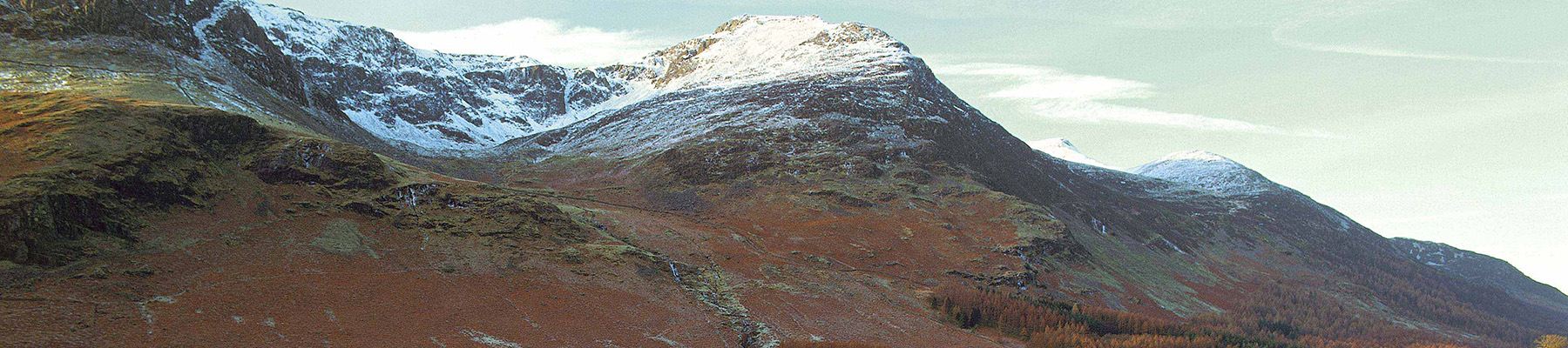
Cumbria's rugged yet beautiful landscape is best known for the Lake District National Park that sits within its boundaries. It’s famous for Lake Windermere, England’s largest lake, and Derwent Water, ‘Queen of the English Lakes', but other lesser-known areas in the south, such as the Lune Valley and the coastal towns, are secret gems of wide cobbled streets and rolling hills.
Places to eat nearby View all

Nearby places to stay
View all (8)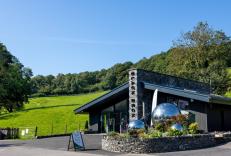

Nearby places to stay
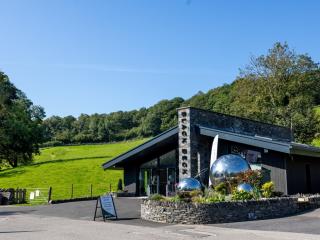
Black Beck Holiday Park
Black Beck Holiday Park is a pet-friendly Park located just a few miles from Ulverston. Offering stunning countryside views this is an ideal stay for dog walkers to enjoy the beauty of ...
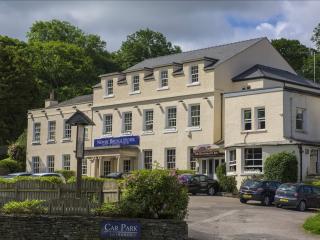
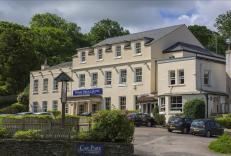
Newby Bridge Hotel
Newby Bridge Hotel is a beautiful Lake District hotel set at the southern end of Lake Windermere, overlooking the River Leven. Interiors are luxurious and the comfortable historic feel ...
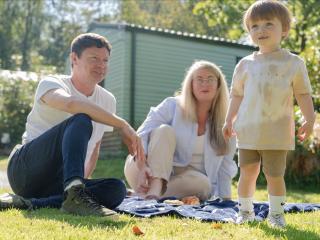
Newby Bridge Country Caravan Park
Newby Bridge Country Caravan Park, with a choice of spacious, modern lodges and caravans, is cleverly hidden in tranquil woodland, a short drive from Windermere. It’s operated by family...
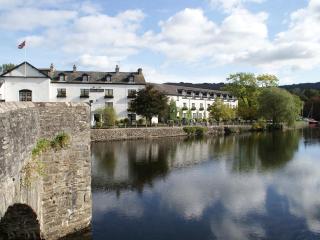
The Swan Hotel & Spa
The Swan Hotel & Spa is set in a peaceful area at the southern end of Lake Windermere; an ideal place to relax after a full day. It offers something to suit every taste, from the health...
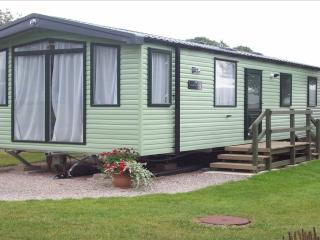
Greaves Farm Caravan Park
Close to the South Lakes, Greaves Farm offers three 4-berth holiday caravans set in an old farm orchard. The caravans are well equipped and maintained and have central heating, lounge a...
Swift Bordeaux
Swift Bordeaux is a luxury four-berth caravan, fully equipped and well maintained. It has central heating, double and twin bedrooms, a kitchen with gas cooker, fridge/freezer and microw...
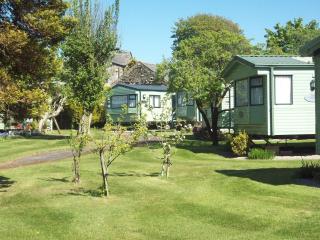
Greaves Farm Caravan Park
Greaves Farm Caravan Park is a small family-owned park set in a peaceful rural area and close to a working farm. Motorhomes are either parked in a quiet paddock or on the main field, bo...
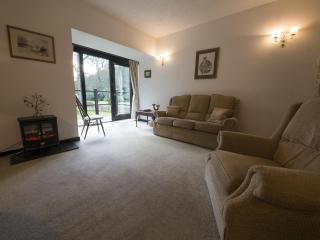
Grange Cottage
Situated amidst a mature wooded landscape Grange Cottage offers guests a peaceful woodland setting and benefits from direct private access to Lake Windermere with free boat launching av...