Whitbarrow National Nature Reserve
Recommended by


Overview
The Whitbarrow NNR has stunning views of the Cumbrian fells and across the sands of Morecambe Bay, and is rich in wildflowers and butterflies. The thin limestone soils provide ideal growing conditions for a variety of plants. In spring hoary rock-rose, primrose, cowslip and early purple orchid are in flower, while later in summer dropwort, bird’s-foot trefoil, lesser meadow rue, limestone bedstraw and thyme burst into bloom. Look out especially for the striking crimson spikes of dark red helleborine. The limestone pavements provide shelter for a range of unusual plants. These include hart’s-tongue fern, rigid buckler-fern, hard shield-fern and limestone polypody. The reserve also has a rich invertebrate and insect fauna. In summer you may see four species of fritillary butterfly: high brown, dark green, pearl-bordered and small pearl-bordered, which all breed here. Look out also for northern brown argus, grayling, common blue and small heath butterflies. Breeding birds include meadow pipit, both green and great spotted woodpecker and redstart. Roe, and occasionally red deer, are seen on the reserve.
About the area
Cumbria's rugged yet beautiful landscape is best known for the Lake District National Park that sits within its boundaries. It’s famous for Lake Windermere, England’s largest lake, and Derwent Water, ‘Queen of the English Lakes', but other lesser-known areas in the south, such as the Lune Valley and the coastal towns, are secret gems of wide cobbled streets and rolling hills.
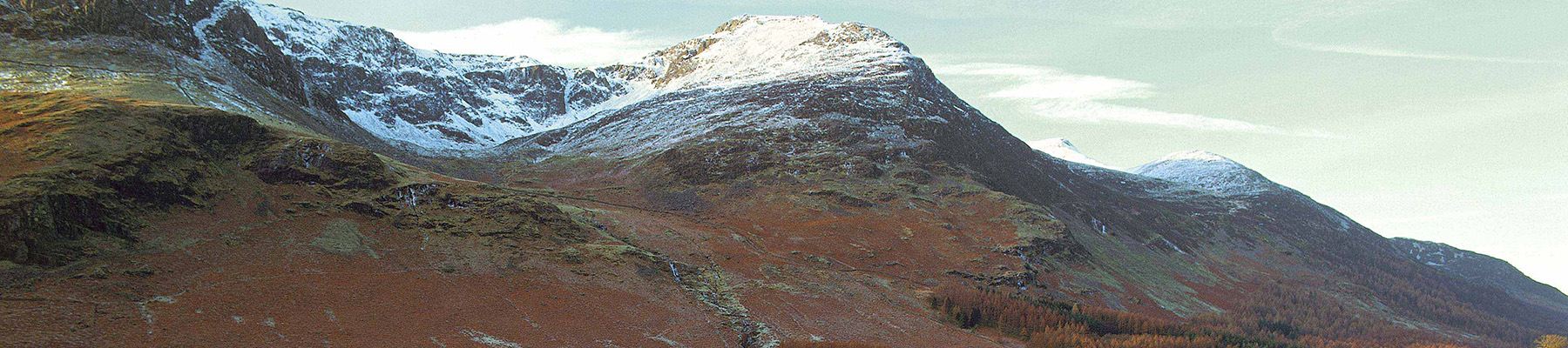
Places to eat nearby View all

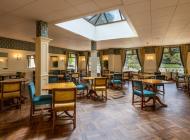
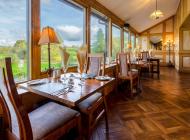
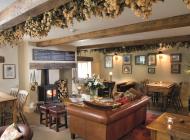
Nearby places to stay
View all (8)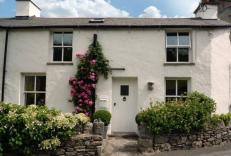
Nearby places to stay
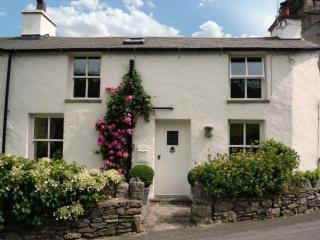
Lyme Cottage
This super little cottage has been fully refurbished and decorated by a leading Lake District interior designer, the fruits of whose talents begin as you step into the open-plan, oak-be...
Lyme Cottage
This super little cottage has been fully refurbished and decorated by a leading Lake District interior designer, the fruits of whose talents begin as you step into the open-plan, oak-be...
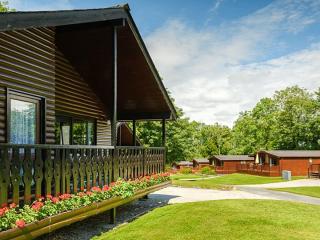
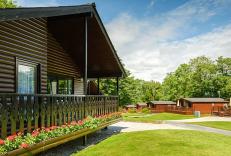
Woodlands Pine Lodges
Swiss or Nordic style? This is your choice at Woodlands Pine Lodges, with the Swiss featuring a washing machine and dryer, while the Nordic have a larger sauna. Although self-catering i...
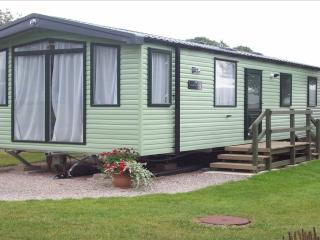
Greaves Farm Caravan Park
Close to the South Lakes, Greaves Farm offers three 4-berth holiday caravans set in an old farm orchard. The caravans are well equipped and maintained and have central heating, lounge a...
Swift Bordeaux
Swift Bordeaux is a luxury four-berth caravan, fully equipped and well maintained. It has central heating, double and twin bedrooms, a kitchen with gas cooker, fridge/freezer and microw...
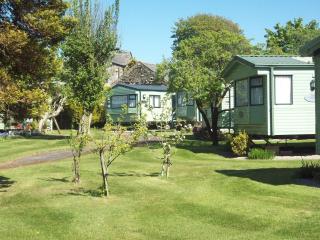
Greaves Farm Caravan Park
Greaves Farm Caravan Park is a small family-owned park set in a peaceful rural area and close to a working farm. Motorhomes are either parked in a quiet paddock or on the main field, bo...
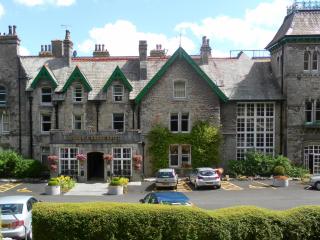
The Cumbria Grand Hotel
Set within extensive grounds, the Cumbria is an ever-improving, grand hotel with fine views over Morecambe Bay. Public areas are pure nostalgia, and include comfortable lounges, a magni...

Newby Bridge Country Caravan Park
Newby Bridge Country Caravan Park, with a choice of spacious, modern lodges and caravans, is cleverly hidden in tranquil woodland, a short drive from Windermere. It’s operated by family...