Kingley Vale National Nature Reserve
Recommended by


Overview
Kingley Vale NNR is best known for its twisted and ancient yews and includes a grove of veteran trees some of which may be among the oldest living things in Britain. The reserve is in a steep-sided dry valley (or coombe) consisting of chalk heath grassland, scrub, and mixed oak and ash woodland. This mosaic of habitats is important for insects and birds, including 39 species of butterflies, such as the chalk hill blue, holly blue and brimstone. Breeding birds at Kingley Vale include the nightingale, grasshopper warbler, blackcap, marsh tit and green woodpecker. Buzzards are often seen with other birds of prey including kestrel, sparrowhawk, red kite and tawny owl, and hobby in summer. Mammals found on the reserve include rabbits, roe deer, large herds of fallow deer, stoats, weasels, foxes, dormice, yellow-necked mice, badgers and bats. In addition to the chalk-loving plants like bird’s foot trefoil, kidney vetch and fairy flax, there are 11 different species of orchid at the reserve including bee, common spotted, frog and fly orchids.
About the area
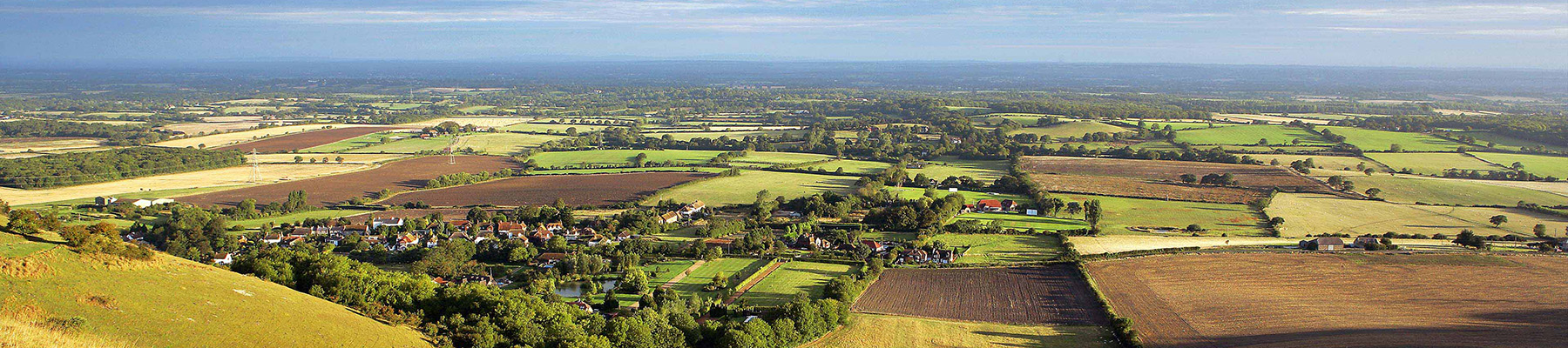
Divided from East Sussex back in 1888, West Sussex has a variety of landscapes and coastal scenery, but it is the spacious and open South Downs with which the county is most closely associated. There are plenty of walking routes in the South Downs National Park, cycling routes by the sea or visitors can explore the pretty town of Arundel with its historic castle and buildings.
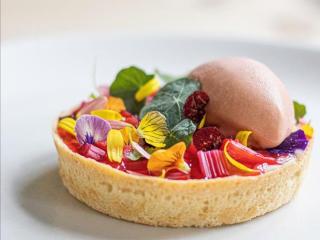
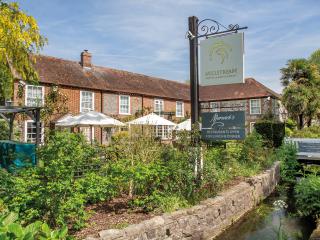
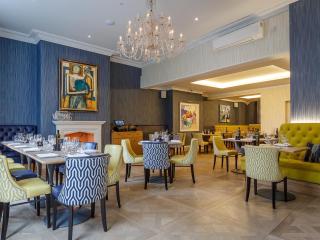
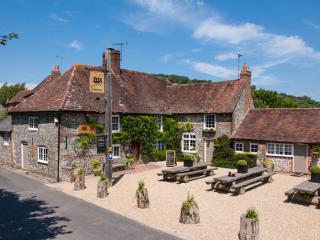
Places to eat nearby View all

Nearby places to stay
View all (8)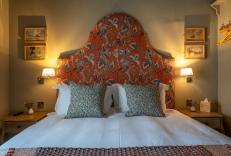




Nearby places to stay
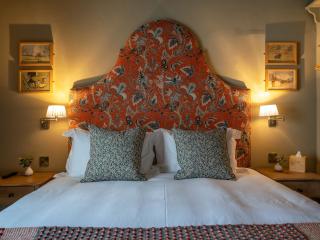
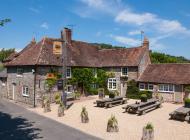
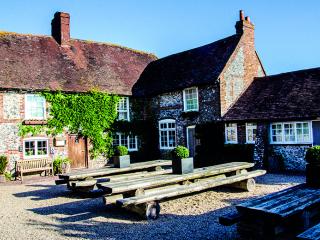
Horse and Groom
The Horse & Groom is former blacksmith's shop, which is more than 200 years old. Inside are many original features such as flagstone floors, wooden wall panels/beams and exposed stone w...
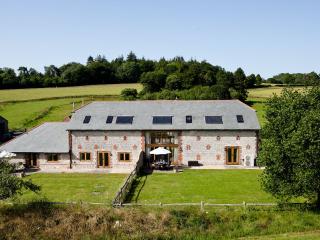
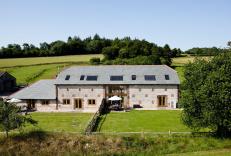
Pitlands Barns
Pitlands Farm is a family run farm that's been in the same family for more than 85 years. An 1844 Sussex flint barn was tastefully converted into three beautifully appointed luxury self...
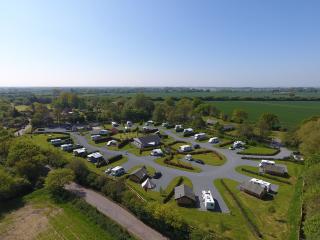
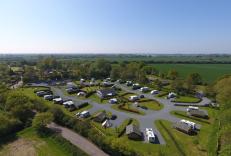
Concierge Camping
Developing Concierge Camping has been a labour of love for owners, Tracey and Guy Hodgkin. It is a first-class, multi award-winning park for 37 units offering large, fully serviced pitc...
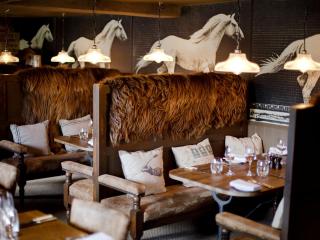
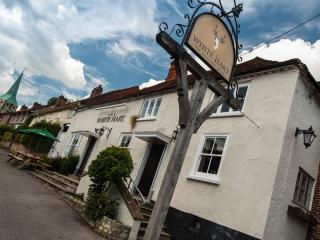
White Horse
The White Horse Inn is an 18th-century coaching inn, located on the edge of the South Downs. The timber-clad accommodation is tucked away to the side of the old inn, and takes full adva...
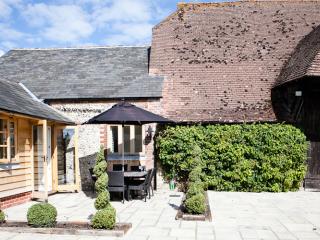
Keepers & The Old Stables at West Marden Farm
Keepers is the perfect place to relax and recharge in an Area of Outstanding Natural Beauty in a Sussex downland village. Located on a working arable farm, the property is perfectly pla...
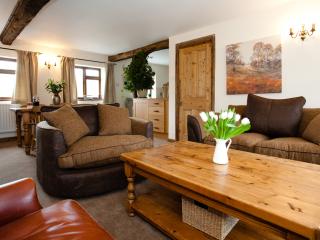
Barley Cottage at West Marden Farm
Barley Cottage is a single-storey property located at the entrance to a beautiful traditional Sussex farm. Fully refurbished, guests can enjoy the original features of its beamed and fl...
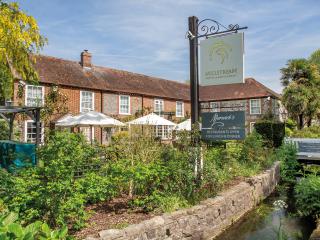
Millstream Hotel & Sea School Restaurant
Located in the idyllic village of Bosham, the Millstream Hotel & Sea School Restaurant provides comfortable, well-equipped and tastefully decorated bedrooms. Many guests regularly retur...
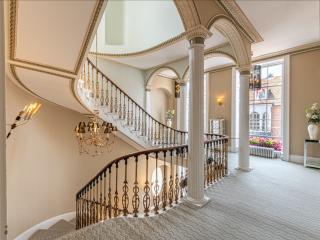
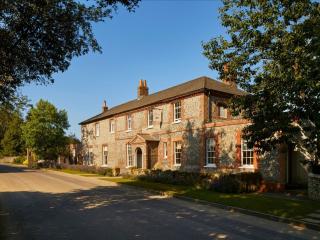
Chichester Harbour Hotel & Spa
Chichester Harbour Hotel & Spa is a well-presented, Grade II listed, Georgian property, occupying a prime position at the top of North Street. The stylish bedrooms feature Egyptian cott...