Moor House - Upper Teesdale National Nature Reserve
Recommended by


Overview
The remote landscape of the Moor House-Upper Teesdale NNR includes some of the most spectacular geology, waterfalls and panoramic views in the Pennines. The reserve includes three of the country’s most dramatic waterfalls: Cauldron Snout, High Force and Low Force, which thunder over a hard, clerical-grey outcrop of the volcanic Great Whin Sill which extends across the county to Lindisfarne (see below). Running around the headwaters of the River Tees, the reserve covers 34 square miles and encompasses a complete range of upland habitats typical of the North Pennines. These include hay meadows and rough grazing, as well as ‘sugar’ limestone grassland and blanket bogs on the high fells. It is famous for the rare deep blue spring gentian and other arctic-alpine plants that are remnants of the Ice Age, as well as England’s largest juniper wood on the banks of the Tees near High Force. The rare black grouse breeds here, as do golden plover and ring ouzel, and during the spring breeding season many species of wading birds such as lapwing, curlew, redshank and golden plover can be seen displaying.
About the area
County Durham reaches halfway across England, from the North Pennines in the west, to the sea in the east. Much of it is very sparsely inhabited, and is naturally beautiful; a mix of rolling hills, monumental valleys, lush farmland and unforgiving moors.
Places to eat nearby View all
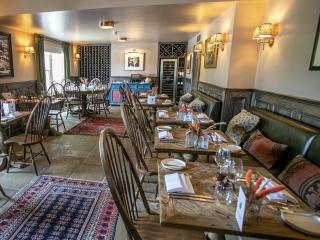
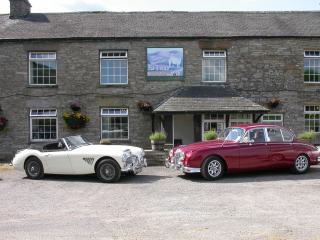
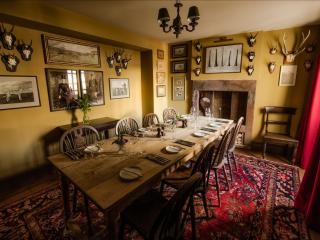
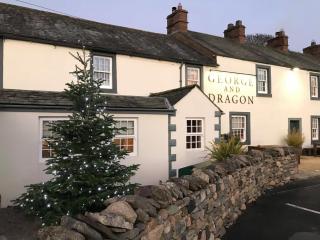
Nearby places to stay
View all (8)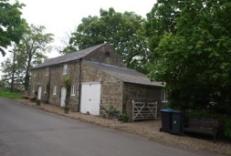



Nearby places to stay
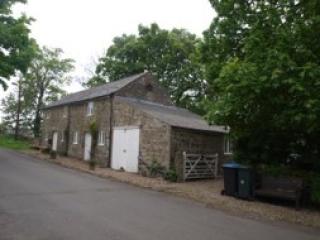
The Barn at Holwick
The converted Barn at Holnwick is in a quiet hamlet located within the beautiful North Pennines AONB. The Barn sleeps six in three twin-bedded rooms, one on the ground floor. There’s a ...
The Barn at Holwick
The converted Barn at Holnwick is in a quiet hamlet located within the beautiful North Pennines AONB. The Barn sleeps six in three twin-bedded rooms, one on the ground floor. There’s a ...
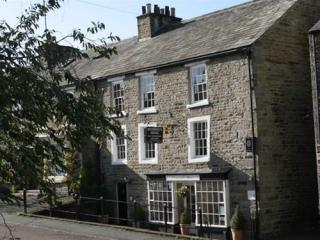
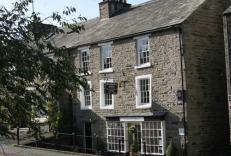
Brunswick House
Brunswick House is a cosy stone building in an attractive Dales village that offers superbly appointed guest rooms alongside excellent home-cooked breakfasts and table d’hote dinners. W...
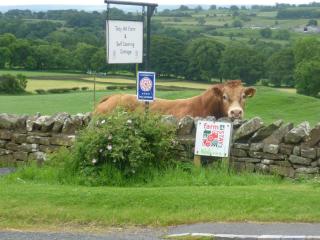
Toby Hill Farm Holiday Cottage
Awaiting description...
Toby Hill Farm Holiday Cottage
Toby Hill Farm is the home of this high-quality converted barn and hayloft situated in the heart of picturesque Teesdale with beautiful views. It offers two large en suite bedrooms, an ...
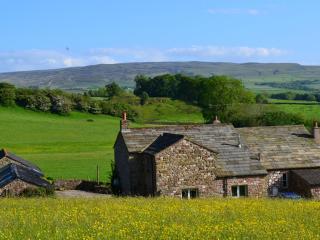
Swallow Barn
Located in the Upper Eden Valley nestled within farmland, with views of fells and open countryside. Market town of Kirkby Stephen (5miles) to shops supermarket, cafés, restaurants, take...
Swallow Barn
Located in the Upper Eden Valley nestled within farmland, with views of fells and open countryside. Market town of Kirkby Stephen (5miles) to shops supermarket, cafés, restaurants, take...
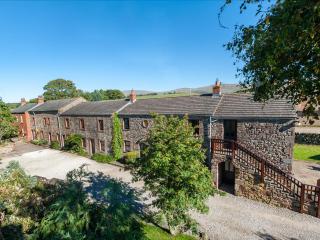
The Studio
Awaiting description...