Farne Islands National Nature Reserve
Recommended by


Overview
The remote and rocky Farne Islands NNR contains one of the most exciting and significant seabird colonies in the country, with up to 87,000 pairs of seabirds, including about 37,000 pairs of puffin. The reserve consists of a small archipelago of islands (between 15 and 28, depending on the tide) lying about three miles off the north coast of Northumberland. It is also home to a large grey seal colony, with more than 1,400 pups born every autumn. The islands are probably most famous for their puffins and Arctic terns, of which around 2,200 pairs breed here, but many more species live alongside them. Though some species live on the islands all year round, most are migratory like the Arctic terns, flying in for the summer months to breed and raise their young. Some birds return year on year, flying huge distances from the Antarctic and Africa. Other breeding seabirds on the Farnes include shag (around 800 pairs); kittiwake (4,000 pairs); eider duck (600 pairs); sandwich tern (900 pairs), and guillemot (about 51,000 individuals).
About the area
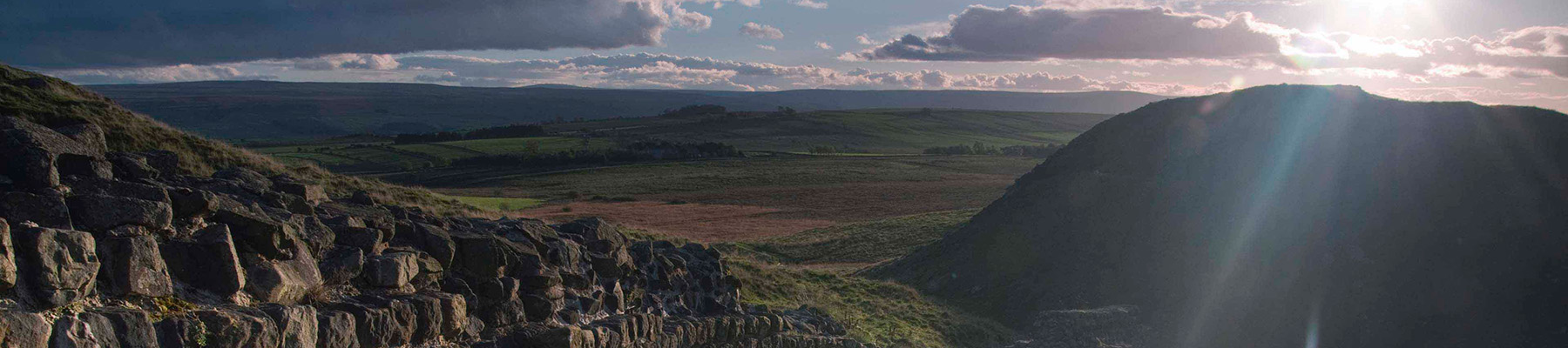
If it’s history you’re after, there’s heaps of it in Northumberland. On Hadrian’s Wall you can imagine scarlet-cloaked Roman legionaries keeping watch for painted Pictish warriors while cursing the English weather and dreaming of home.
Places to eat nearby View all




Nearby places to stay
View all (8)
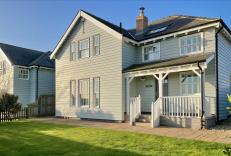

Nearby places to stay
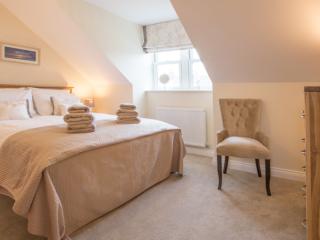
Cuthbert Cottage
Cuthbert’s Cottage is a contemporary and luxurious property that’s light, airy and furnished to a very high standard. A perfect base for discerning guests who wish to stay on the coast ...
Cuthbert's Cottage
Cuthbert’s Cottage is a contemporary and luxurious property that’s light, airy and furnished to a very high standard. A perfect base for discerning guests who wish to stay on the coast ...
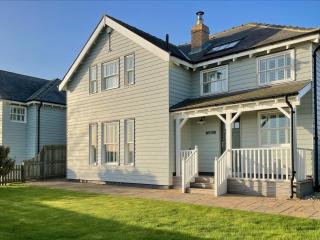
Waterford Beach House
Waterford is a New England-style beach house right on the dunes in Bamburgh. It sleeps seven adults in four upstairs bedrooms, plus an additional child on a put-me-up bed. Downstairs is...
Waterford
Waterford is a New England-style beach house right on the dunes in Bamburgh. It sleeps seven adults in four upstairs bedrooms, plus an additional child on a put-me-up bed. Downstairs is...
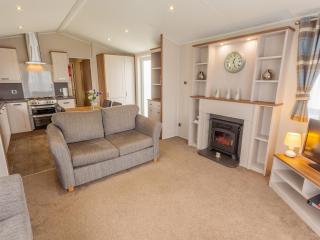
Seafield Caravan Park
Set in the centre of Seahouses , Seafield offers peace, stunning coastal scenery, golden sandy beaches, and breath-taking sea views. The on-site leisure club has a health and beauty sui...
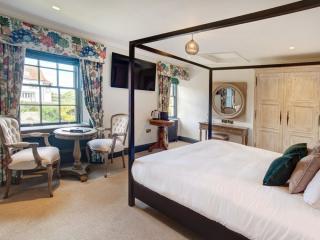
Lord Crewe
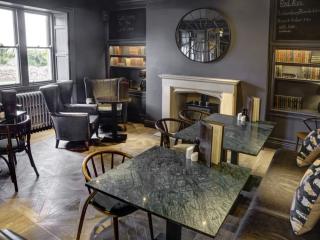
The Lord Crewe is located in the heart of Bamburgh just a few minutes walk from the beach and nestled under the imposing Bamburgh Castle. This property is warm and welcoming with a grea...
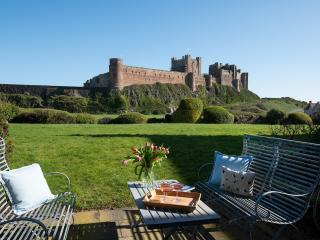
5 Castlegarth
Immaculately kept luxury accommodation. Excellent location within a short stroll of Bamburgh' s famous sands. Breath taking views towards Bamburgh Castle. Private, gated parking and ...
Bamburgh Five
Immaculately kept luxury accommodation. Excellent location within a short stroll of Bamburgh' s famous sands. Breath taking views towards Bamburgh Castle. Private, gated parking and ...