Kinder Scout National Nature Reserve
Recommended by


Overview
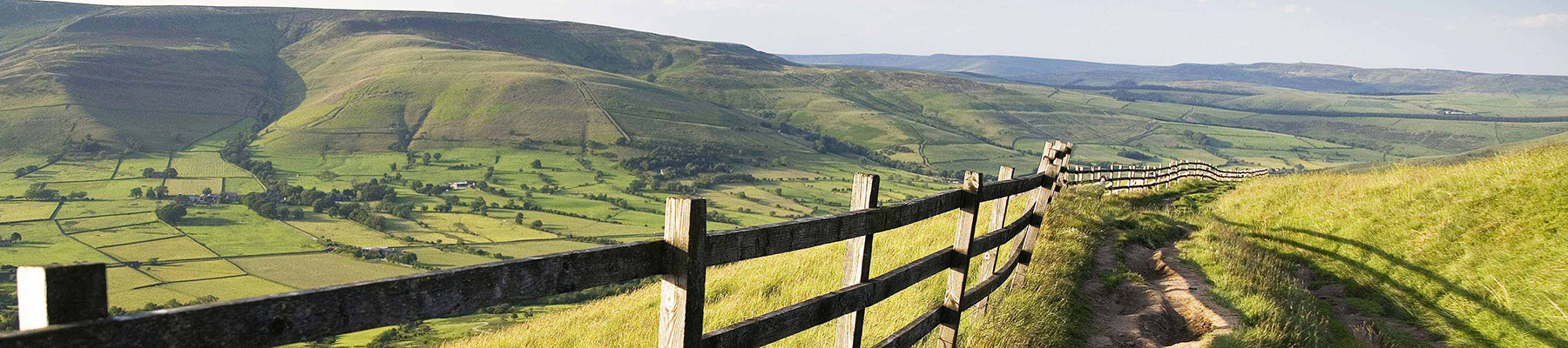
The famous plateau of Kinder Scout, created an NNR in memory of Sir Martin Doughty, chairman of Natural England in 2009, is in the heart of the Dark Peak and one of the most iconic upland landscapes in Britain. Kinder Scout has various upland habitats, including blanket bog and sub-alpine dwarf shrub heath, and also supports several upland breeding birds, notably birds of prey, red grouse, golden plover, twite and waders such as curlew and ring ouzel. Mountain hares also thrive here. Restoration, or re-wetting, of its habitats is a key objective not just for nature conservation but also for the wider benefits to people such as improving water quality and retaining carbon in peat soils. It is one of the most popular upland areas in England for walkers and holds a special affection as the scene of the famous 1932 Mass Trespass – a catalyst for the creation of National Parks.
About the area
The natural features of this central English county range from the modest heights of the Peak District National Park, where Kinder Scout stands at 2,088 ft (636 m), to the depths of its remarkable underground caverns, floodlit to reveal exquisite Blue John stone. Walkers and cyclists will enjoy the High Peak Trail which extends from the Derwent Valley to the limestone plateau near Buxton, and for many, the spectacular scenery is what draws them to the area.
Places to eat nearby View all

Nearby places to stay
View all (8)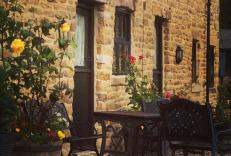





Nearby places to stay
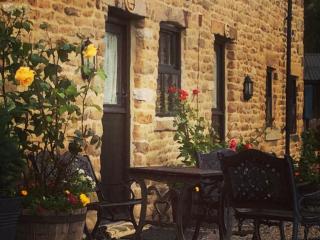
Riding House Farm Cottages
Riding House Farm offers Shepherd's Cottage and Milkmaid's Cottage. This working farm is 140 acres, and guests can see lambs in spring, visit the calf house and feed the hens. There is ...
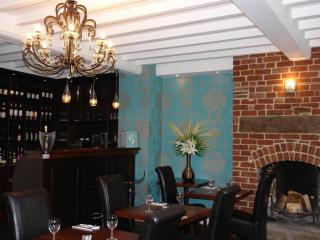
Ye Olde Nags Head
In the village centre, this 17th-century coaching inn has furnished its bedrooms, some with four-posters, all with antiques. Days out in the High Peak, especially for walkers and cyclis...
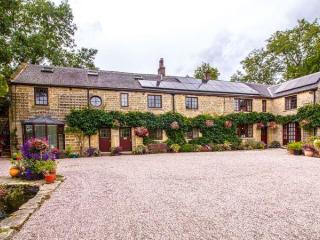
Underleigh House
Comfort, charm and a traditional atmosphere all contribute to a relaxing break in Underleigh House, an award-winning and quintessentially English B&B. In a fantastic Peak District locat...
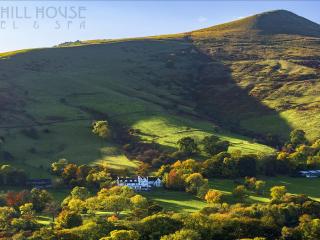
Losehill House Hotel
Situated down a quiet leafy lane, this hotel occupies a secluded spot in the Peak District National Park. Bedrooms are comfortable and beautifully appointed. The outdoor hot tub, with s...
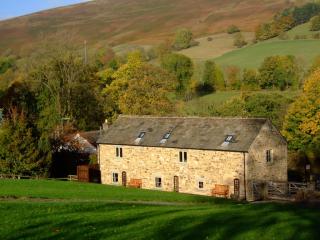
The Acorn
Awaiting description...
The Barn at Mead Farm
The Barn is set in the heart of the beautiful Peak District countryside and has been lovingly rebuilt in the original stone to reflect its history yet incorporating all modern comforts....
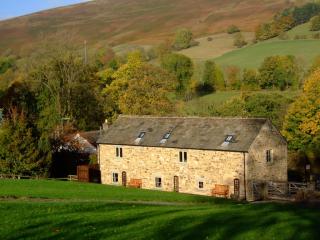
The Oaks
Awaiting description...
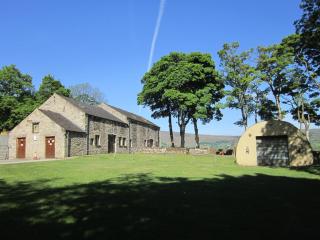
Pindale Farm Outdoor Centre
Set around a 13th-century farmhouse and a former lead mine pump house (now converted to a self-contained bunkhouse accommodating up to 60 people), this simple, off-the-beaten-track site...