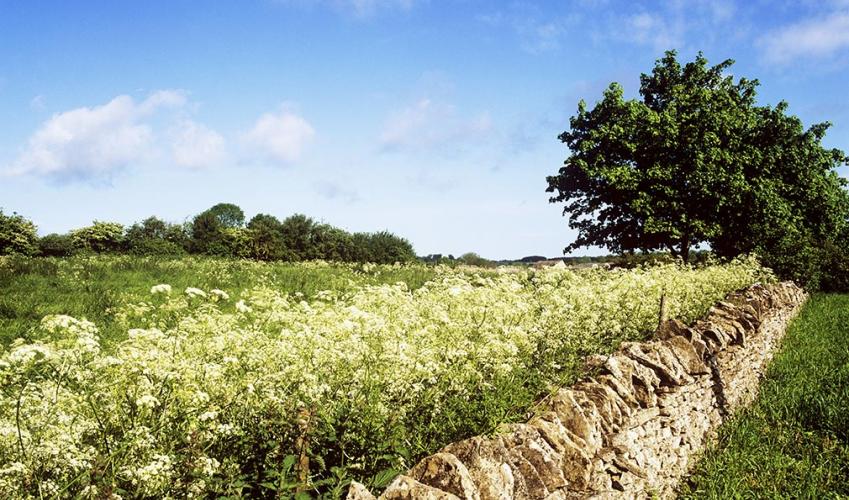
"Climb a spectacular wooded escarpment and enjoy fine views over a Civil War battleground"
Walk directions
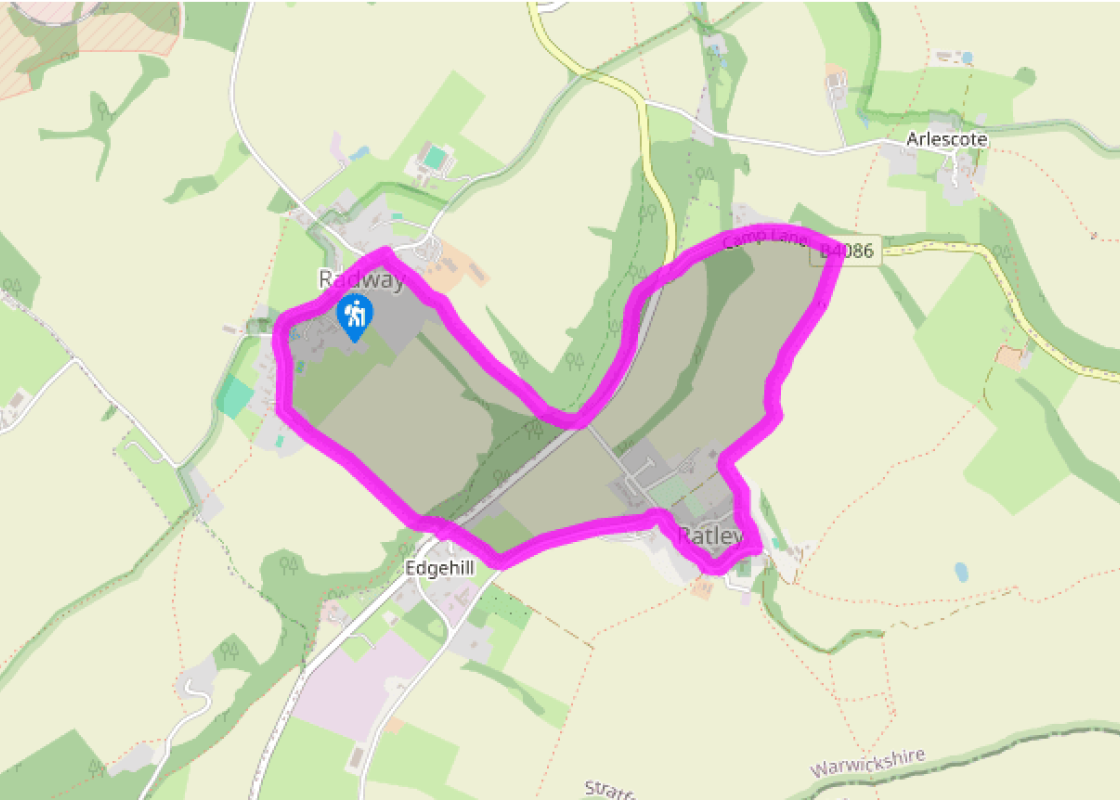
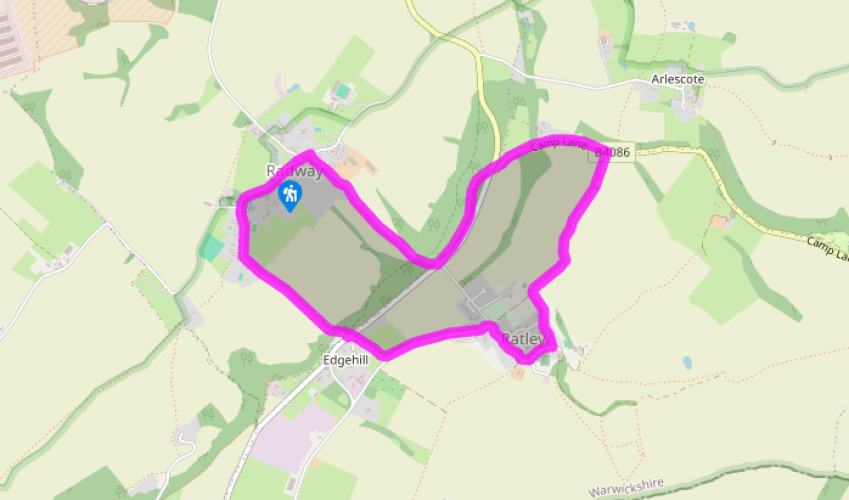
Walk through the village of Radway towards the church. Veer left here into a road named West End and pass alongside the grounds of Radway Grange on your left. Curve left by a pond and some thatched cottages. The 19th-century Methodist chapel can be seen here. Keep following the lane as it becomes a stony track and go through two sets of kissing gates into a field. Walk ahead to a third gate and continue ahead across the sloping field towards Radway Tower, which is now a pub called the Castle at Edgehill. Look for a manhole cover near the left-hand field boundary and maintain the same direction, climbing steeply towards the wooded escarpment.
Go through a gate and enter the wood. Continue straight and follow the markers for the Macmillan Way up the slope to the road. With the pub on your right, turn left for several paces along the main road, cross over and take a right-hand path running between Cavalier Cottage and Rupert House crosscountry for several minutes until you meet another road. Turn left at the road and walk along to Ratley. At the T-junction, turn right onto the High Street and follow it down and round to the left. When you reach the church on your right, take the left fork of the road at the triangular junction.
With the Rose and Crown over to your right, follow Chapel Lane to the left and, when it bends left, go straight ahead up some steps to a stile, then a kissing gate. Keep the fence on the left initially before striking out across the field to a kissing gate and then a stile at the far side. Turn right and cross the field to a line of trees. Swing left and now skirt the field down to a galvanised kissing gate in the bottom corner of the field, cut across the field to a footbridge and then head up the slope to reach a gap in the field boundary.
Turn left and follow the road on the pavement past some bungalows. Pass Battle Lodge and make for the junction. Cross over the road and join a woodland path running along the top of the escarpment. On reaching some steps on the left, turn right and descend steeply via a stone staircase known as Jacobs Ladder. Drop down to a gate and then follow the path straight down the field to a kissing gate at the bottom. Go through a second kissing gate beyond that and then pass alongside a private garden to reach a drive. Follow it to the road and turn left for the centre of Radway.
The scene may look peaceful now, but just over 380 years ago the fields below the tree-lined escarpment known as Edge Hill were anything but quiet. This tranquil corner of south Warwickshire was the setting for the first major battle of the Civil War in 1642. The Battle of Edge Hill On the... morning of Sunday 23 October, Charles I’s army departed from Cropredy Bridge, a few miles away in neighbouring Oxfordshire, arriving at Edge Hill, which was already occupied by Prince Rupert’s army, at noon. A staggering 14,000 Royalist troops spread out across the entire hillside, from the Knowle to Sunrising Hill, and as many as 10,000 Parliamentarians, under the command of the Earl of Essex, were massed in the fields below. Led by Prince Rupert, the cavalry of the king’s right flank charged and routed the enemy, pursuing the men beyond the village of Kineton, several miles to the northwest. They began to celebrate. Driven back Elsewhere, the Royalists were not doing so well. Commanding the left flank, the Commissary-General attacked the enemy’s right. At first, his efforts were successful, but on reaching a line of hedgerows and ditches near Little Kineton, he was driven back. At the same time the king advanced his centre, also with success, until he, too, was forced to halt – his way blocked by trees and hedges. The Royalist army suffered many casualties. Open to attack on both sides, the centre gave way and the Royal standard was taken, though later recovered. Prince Rupert relieved the king’s centre, thus avoiding defeat. The battle still raged as darkness descended and the Earl of Essex and his forces withdrew to Kineton for the night. The King slept in a nearby barn and then breakfasted in Radway. Neither side seemed keen to continue the battle and the king resumed his march to London unopposed while Essex withdrew to Warwick. Inconclusive though it was, the battle claimed the lives of over 4,000 men that day; 1,200 of them were buried by the vicar of Kineton.
The sparkle of sunlight on a gentle river as it meanders through beautiful countryside; the reflections of sailing boats on a lake; relaxing with a pint in the garden of an old English pub in a picturesque village; brightly coloured narrow boats making their way through a flight of lock gates; the imposing silhouette of an historic castle. These are the scenes that make Warwickshire a delight.
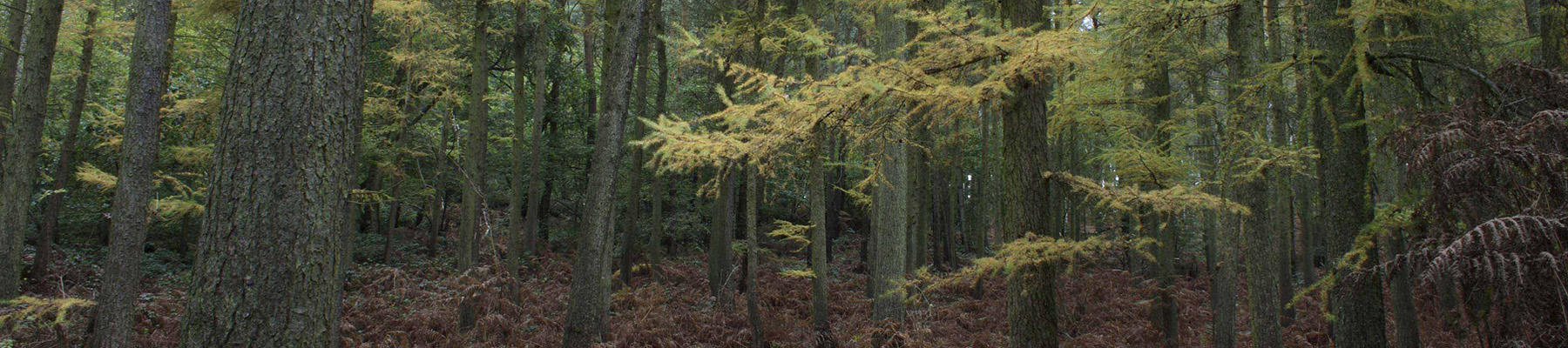
"Climb a spectacular wooded escarpment and enjoy fine views over a Civil War battleground"
Walk details
1hr 30min
Difficulty:
Medium
Gradient:
Moderate
Distance:
3.5 miles (5.7kms)
Ascent:
560ft (170m)
Walk directions
Walk through the village of Radway towards the church. Veer left here into a road named West End and pass alongside the grounds of Radway Grange on your left. Curve left by a pond and some thatched cottages. The 19th-century Methodist chapel can be seen here. Keep following the lane as it becomes a stony track and go through two sets of kissing gates into a field. Walk ahead to a third gate and continue ahead across the sloping field towards Radway Tower, which is now a pub called the Castle at Edgehill. Look for a manhole cover near the left-hand field boundary and maintain the same direction, climbing steeply towards the wooded escarpment.
1 of 4
Go through a gate and enter the wood. Continue straight and follow the markers for the Macmillan Way up the slope to the road. With the pub on your right, turn left for several paces along the main road, cross over and take a right-hand path running between Cavalier Cottage and Rupert House crosscountry for several minutes until you meet another road. Turn left at the road and walk along to Ratley. At the T-junction, turn right onto the High Street and follow it down and round to the left. When you reach the church on your right, take the left fork of the road at the triangular junction.
2 of 4
With the Rose and Crown over to your right, follow Chapel Lane to the left and, when it bends left, go straight ahead up some steps to a stile, then a kissing gate. Keep the fence on the left initially before striking out across the field to a kissing gate and then a stile at the far side. Turn right and cross the field to a line of trees. Swing left and now skirt the field down to a galvanised kissing gate in the bottom corner of the field, cut across the field to a footbridge and then head up the slope to reach a gap in the field boundary.
3 of 4
Turn left and follow the road on the pavement past some bungalows. Pass Battle Lodge and make for the junction. Cross over the road and join a woodland path running along the top of the escarpment. On reaching some steps on the left, turn right and descend steeply via a stone staircase known as Jacobs Ladder. Drop down to a gate and then follow the path straight down the field to a kissing gate at the bottom. Go through a second kissing gate beyond that and then pass alongside a private garden to reach a drive. Follow it to the road and turn left for the centre of Radway.
The scene may look peaceful now, but just over 380 years ago the fields below the tree-lined escarpment known as Edge Hill were anything but quiet. This tranquil corner of south Warwickshire was the setting for the first major battle of the Civil War in 1642. The Battle of Edge Hill On the... morning of Sunday 23 October, Charles I’s army departed from Cropredy Bridge, a few miles away in neighbouring Oxfordshire, arriving at Edge Hill, which was already occupied by Prince Rupert’s army, at noon. A staggering 14,000 Royalist troops spread out across the entire hillside, from the Knowle to Sunrising Hill, and as many as 10,000 Parliamentarians, under the command of the Earl of Essex, were massed in the fields below. Led by Prince Rupert, the cavalry of the king’s right flank charged and routed the enemy, pursuing the men beyond the village of Kineton, several miles to the northwest. They began to celebrate. Driven back Elsewhere, the Royalists were not doing so well. Commanding the left flank, the Commissary-General attacked the enemy’s right. At first, his efforts were successful, but on reaching a line of hedgerows and ditches near Little Kineton, he was driven back. At the same time the king advanced his centre, also with success, until he, too, was forced to halt – his way blocked by trees and hedges. The Royalist army suffered many casualties. Open to attack on both sides, the centre gave way and the Royal standard was taken, though later recovered. Prince Rupert relieved the king’s centre, thus avoiding defeat. The battle still raged as darkness descended and the Earl of Essex and his forces withdrew to Kineton for the night. The King slept in a nearby barn and then breakfasted in Radway. Neither side seemed keen to continue the battle and the king resumed his march to London unopposed while Essex withdrew to Warwick. Inconclusive though it was, the battle claimed the lives of over 4,000 men that day; 1,200 of them were buried by the vicar of Kineton.
The sparkle of sunlight on a gentle river as it meanders through beautiful countryside; the reflections of sailing boats on a lake; relaxing with a pint in the garden of an old English pub in a picturesque village; brightly coloured narrow boats making their way through a flight of lock gates; the imposing silhouette of an historic castle. These are the scenes that make Warwickshire a delight.