Brunel's great tunnel through Box Hill
"A hilly walk around Box Hill, famous for its stone and Brunel's greatest engineering achievement"
Walk directions
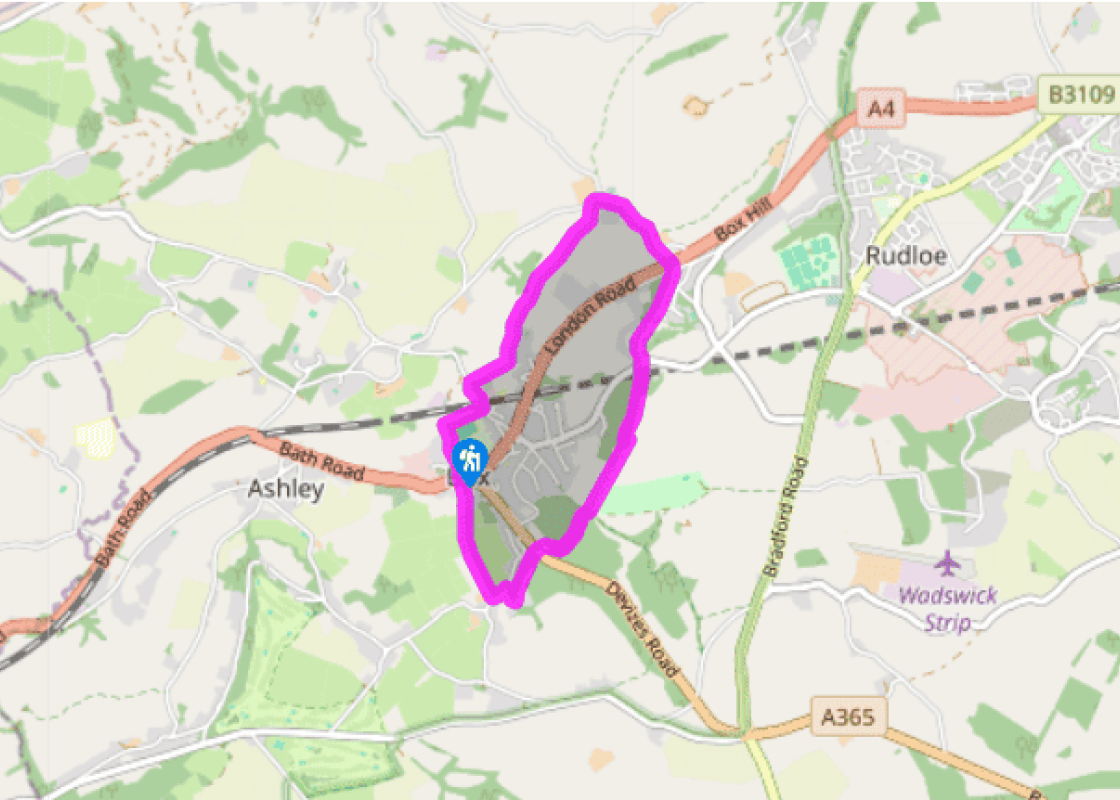
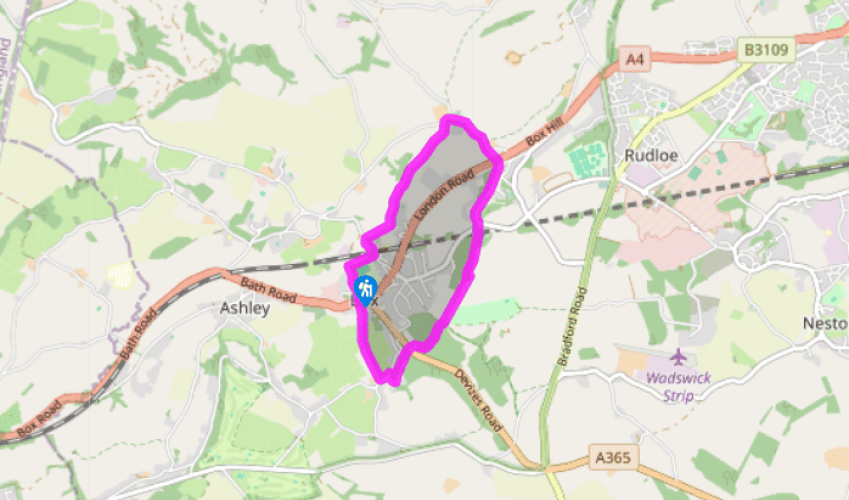
Facing the recreation ground, walk along the left-hand side of the football pitch to join a track in the corner close to the railway line. When you reach the lane, turn left, pass beneath the railway, cross a bridge and take the arrowed footpath to the right, before the second bridge.
Walk beside the river, cross a footbridge and turn right. Cross a further footbridge and continue to a kissing gate. Walk through water meadows close to the river, go through a gate and maintain your direction. Shortly, bear left to head for a kissing gate in the field corner. Follow the right-hand field edge to a kissing gate and lane.
Turn right, then right again at the junction. Cross the river, pass Drewett’s Mill and steeply ascend the lane. Opposite the entrance to Mills Platt Farm, where there are two rights of way, take the left-hand path up steps to a stile. Continue steeply uphill to a stile and cross the A4. Ascend steps to a lane and proceed straight on up Barnetts Hill. Keep right at the fork, then right again and pass the Quarryman’s Arms.
Keep left at the fork and continue beside Box Hill Common on the lane to a junction. Take the bridleway straight ahead into woodland. Almost immediately, fork left and follow the path close to the woodland edge. As it curves right into the beech wood, bear left and follow the path by the remains of a wall. Maintain the same direction, then bend left to emerge from the trees.
Turn right for an enclosed path, with a long narrow field on the right. Turn right at the T-junction at the far end and take the path left to a stile. Cross a further stile and descend into Thorn Wood, following the stepped path to a stile at the bottom.
Continue ahead through scrub to a stile and turn right beside the fence to a wall stile. Bear right to a further stile, then bear left uphill to a stile and the A365. Cross over and follow the drive ahead. Where it curves left, keep ahead along the waymarked path to a house. Climb the steps to the left, bear right to pass Washwell Cottage and follow the drive uphill to a T-junction.
Turn left then, on reaching the first houses of Henley, take the path right. Follow the field edge to a kissing gate, then descend between hedges to another kissing gate by The Secret Nursery.
Follow the drive ahead, bear left at the garage and take the alleyway down right, into Box. Cross the main road and continue to the A4. Turn right, then left down the access road back to Selwyn Hall and your start point.
Additional information
Terrain
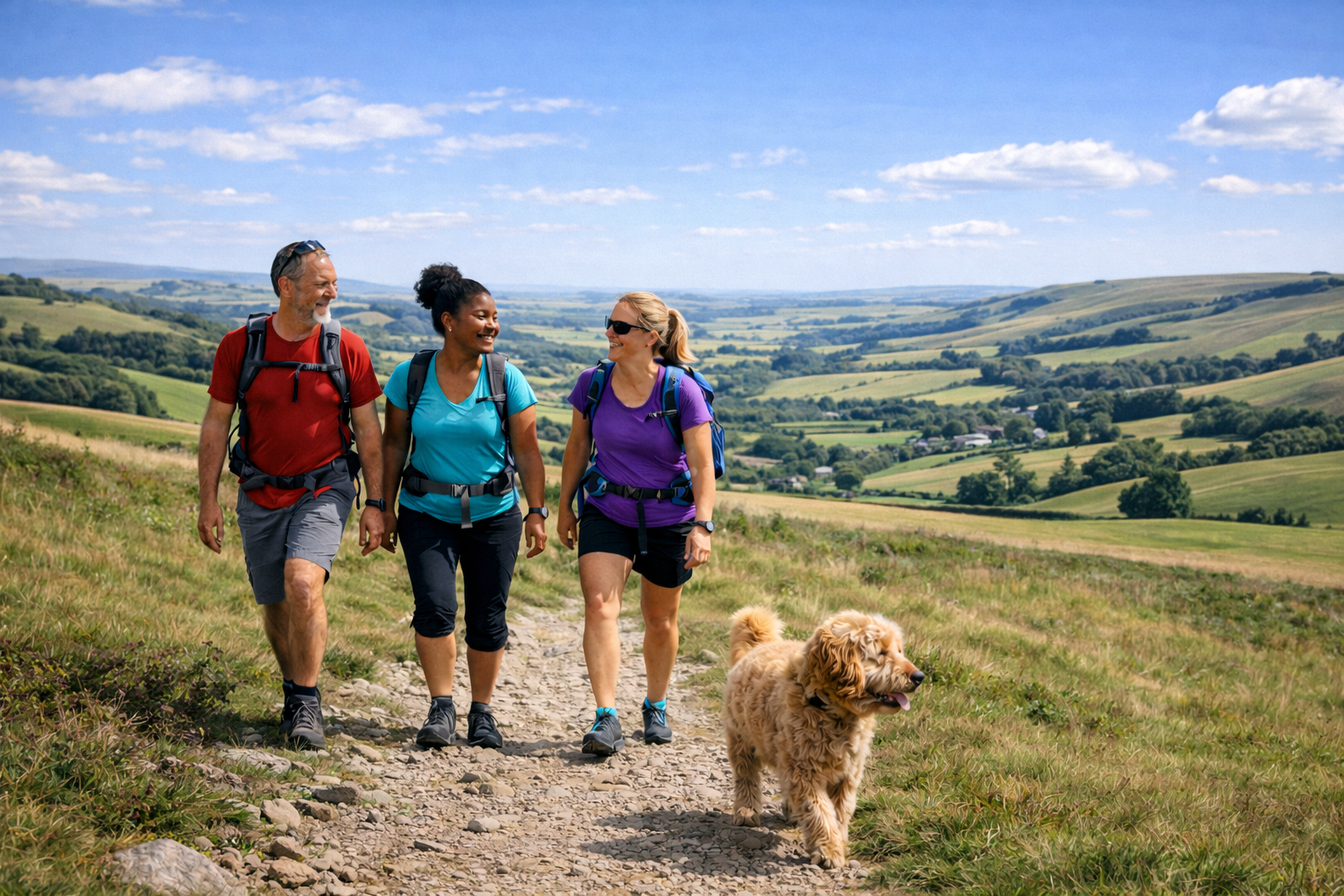
- Field and woodland paths, bridleways, lanes, many stiles
Landscape
- River valley and wooded hillsides
Dog friendliness
- Can be off lead on Box Hill Common and in woodland
Parking
- Village car park near Selwyn Hall, off A4
Toilets en route
- Sports pavilion at start
About the walk
Box is a large straggling village that sits astride the busy A4 in hilly country halfway between Bath and Chippenham. Although stone has been quarried here since the 9th century, Box really found fame during the 18th century, when the local stone was used for Bath’s magnificent buildings. The... construction of Box Tunnel uncovered immense deposits of good stone, and by 1900 Box stone quarries were among the most productive in the world. Little trace can be seen above ground today, except for some fine stone-built houses in the village and a few reminders on Box Hill. Brunel's famous tunnel In 1833, the newly created Great Western Railway appointed Isambard Kingdom Brunel (1806–59) as engineer. His task was to build a railway covering the 118 miles (190km) from London to Bristol. The problems and projects he encountered on the way would help to make him the most famous engineer of the Victorian age. After a relatively straightforward and level start through the Home Counties, he came to the hilly Cotswolds. The solution at Box would be a tunnel, and at nearly 2 miles (3.2km) long, with a gradient of 1:100, it would be the longest and steepest in the world at the time. It would also be very wide. Already controversial, Brunel ignored the gauge of other companies, preferring the 7ft (2.1m) used by tramways and roads (and, it was believed, Roman chariots). He also made the tunnel dead straight, and the alignment was calculated so the dawn sun would shine through on his birthday on 9th April. Unfortunately, he did not allow for atmospheric refraction and was two days out. All was on a grand scale: a ton of gunpowder and candles were used every week, 3 million bricks were fired to line the soft Cotswold limestone and 100 navvies lost their lives working on the tunnel. After two-and-a-half years the way was open, and Brunel’s magnificent line meant that Bristol was then only two hours from the capital. Although artificial, like many large dark holes, the tunnel has collected its fair share of mystery with tales of noises, people under the hill and trains entering the tunnel, never to re-emerge. But as is often the case, the explanations are rather more mundane: to test excavation conditions, Brunel dug a small trial section alongside what is now the eastern entrance and the military commandeered this section during World War II as a safe and fairly secret store for ammunition and records.
Read more
Been on this walk?
Send us photos or a comment about this route. Or recommend a route of your own.

Walking in Safety
Read our tips to look after yourself and the environment when following this walk.
Get an AA guide
Explore our range of ‘50 Walks in’ guides - they’re the ideal companion for a ramble.
Been on this walk?
Send us photos or a comment about this route. Or recommend a route of your own.
Walking in Safety
Read our tips to look after yourself and the environment when following this walk.
Get an AA guide
Explore our range of ‘50 Walks in’ guides - they’re the ideal companion for a ramble.
About the area
Wiltshire’s charm lies in the beauty of its countryside, with expansive chalk landscapes of the Marlborough and Pewsey downs and miles of uninterrupted views deep into Dorset, Somerset and the Cotswolds. Stroll through quaint timbered and thatched villages in the southern Woodford and Avon valleys and explore the historic streets of the stone villages of Lacock, Castle Combe and Sherston.
Nearby places to stay
View all (8)
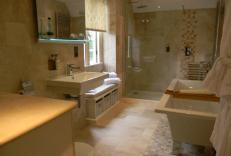
Self-Catering
Avondale Riverside
★★★★
"An ideal base for exploring the Cotswolds..."
- Total units: 1
- Private garden
- Washing machine
- Linens provided
Self-Catering
Avondale Riverside
★★★★
"An ideal base for exploring the Cotswolds..."
- Private garden
- Washing machine
- Linens provided
Nearby places to stay
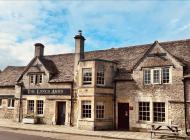
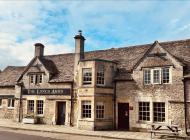
The Northey Arms
The Northey Arms is located in Box, just a short drive from the beguiling city of Bath and surrounded by beautiful countryside. There's a lovely atmosphere here and a real sense of welc...
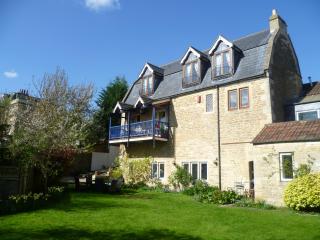
★★★★ Rating
Avondale Riverside
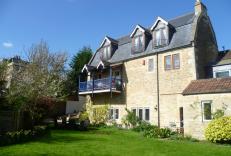
Providing views of the River Avon from its balconies, Avondale Riverside really lives up to its name, and offers a warm welcome just a few miles from Bath’s historic city centre. It mak...
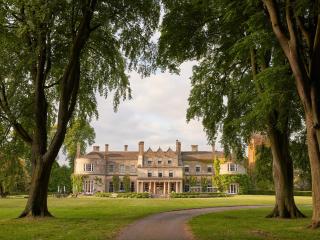
★★★★ Rating
Avondale Riverside
Providing views of the River Avon from its balconies, Avondale Riverside really lives up to its name, and offers a warm welcome just a few miles from Bath’s historic city centre. It mak...
★★★★ Rating
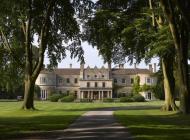
Lucknam Park Hotel & Spa
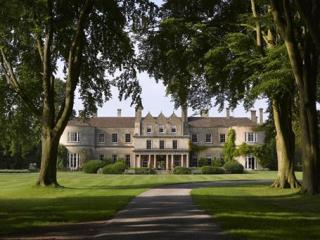
Approaching the Palladian mansion that is Lucknam Park along the magnificent mile-long avenue of beech and lime trees builds a wonderful sense of anticipation. Surrounded by 500 acres o...
★★★★★ Rating
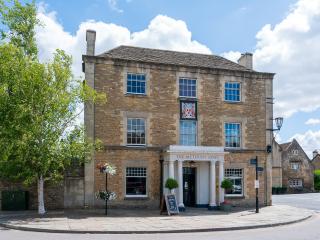
The Methuen Arms
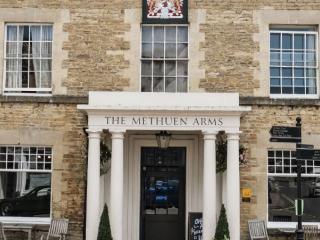
The Methuen Arms, a well-established inn in the centre of town, provides high levels of quality and comfort. Bedrooms are modern and stylish with large comfortable beds and spacious, we...
★★★★★ Rating
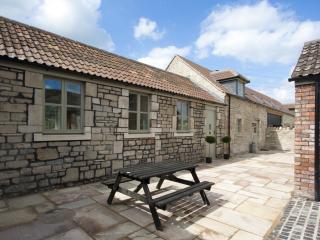
New Leaf Farm
New Leaf Farm holiday cottages offer a selection of large and small self catering cottages and apartments in an outstanding location just 2 miles from Bath city centre.
These picturesqu...
★★★★ Rating
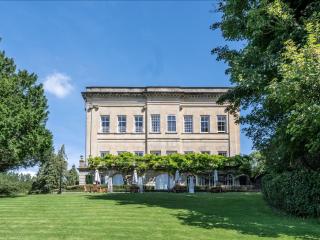
Bailbrook House Hotel
Bailbrook House Hotel is ideally situated on the edge of Bath and set in attractive grounds with ample parking. It is perfectly placed to avoid parking and driving in the city, but clos...
★★★★ Rating
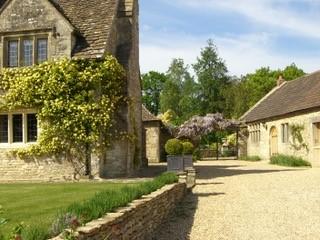
Anvil Cottage
Anvil Cottage is a beautiful cottage in the grounds of The Close, an 18th-century house facing the duck pond, in Biddestone. It is ideally placed to visit Bath, and the historic village...
★★★★★ Rating
Places to eat nearby View all