Keyhaven and the Solent
Recommended by

Our view
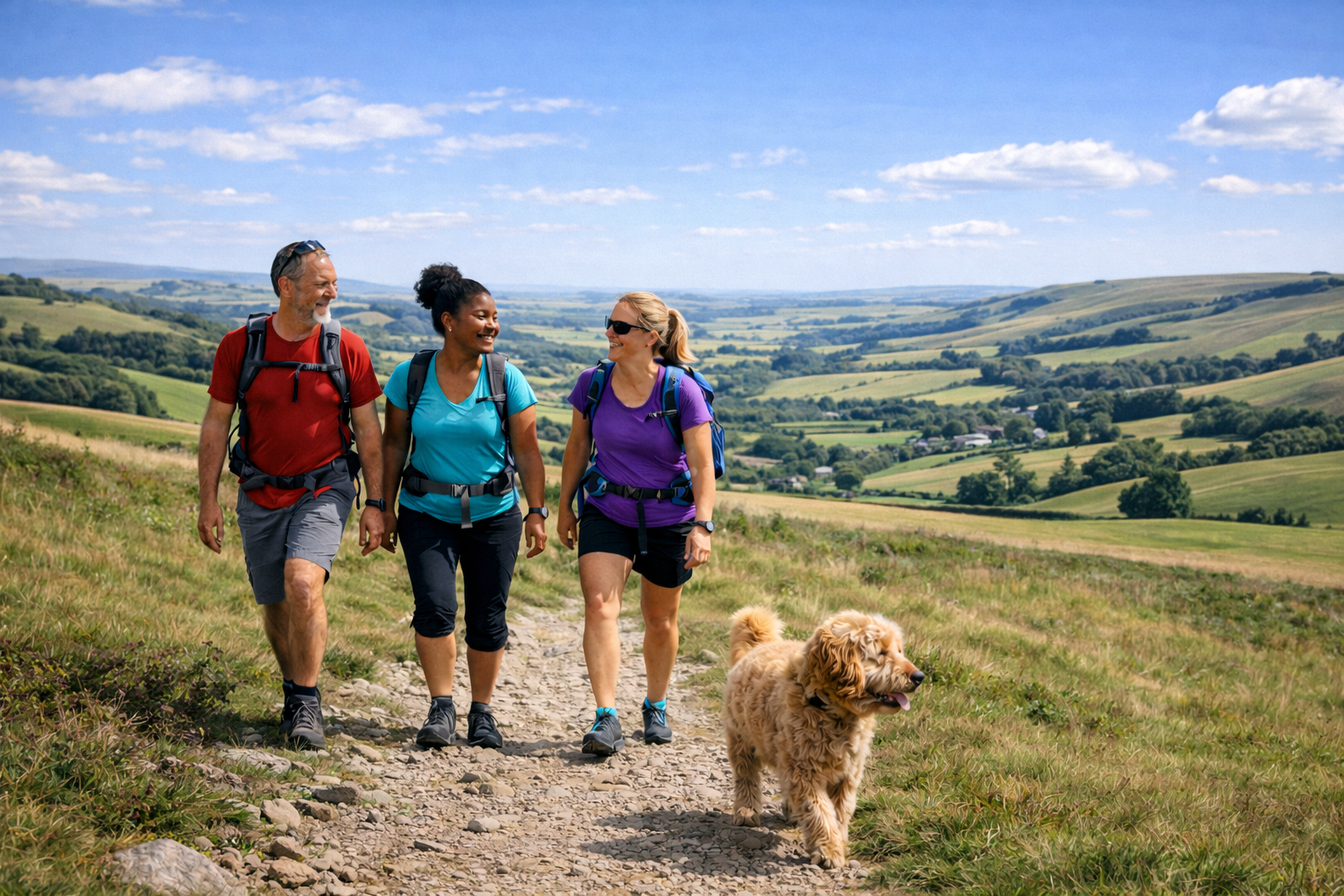
"A walk on the Solent Way and the wildlife-rich salt marsh west of Lymington."
Walk directions
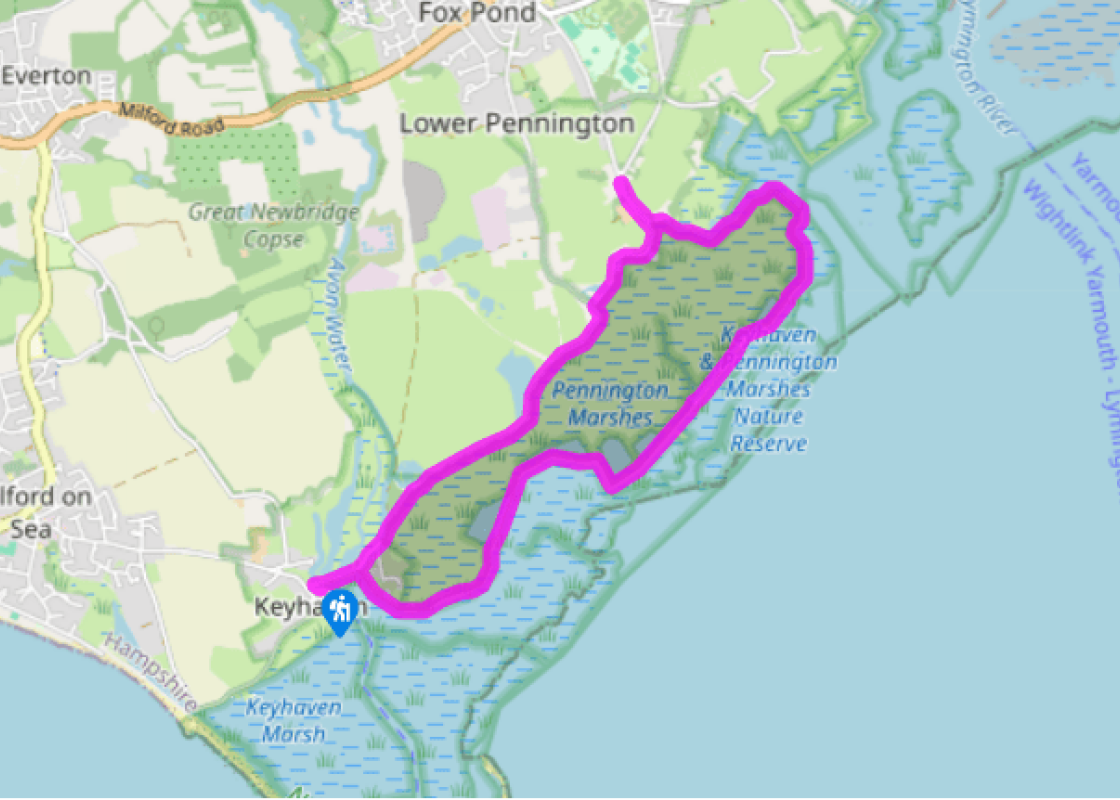
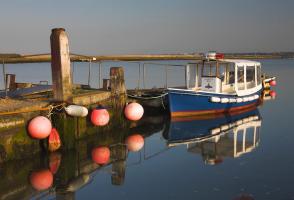
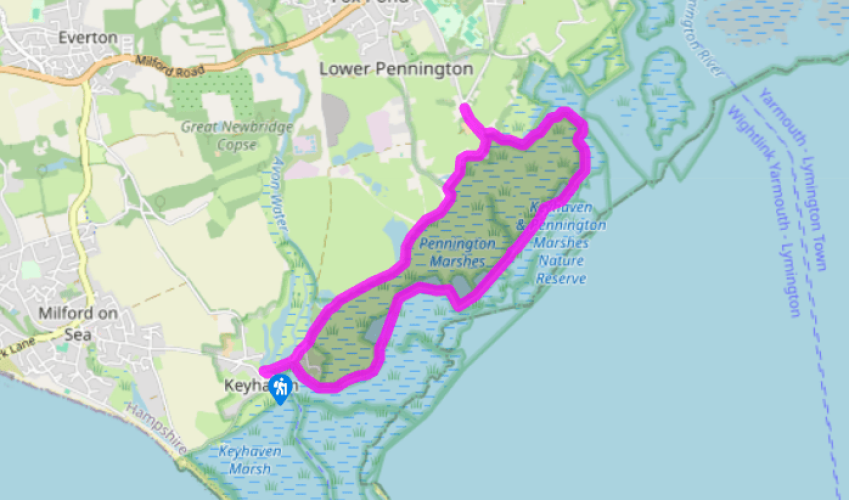
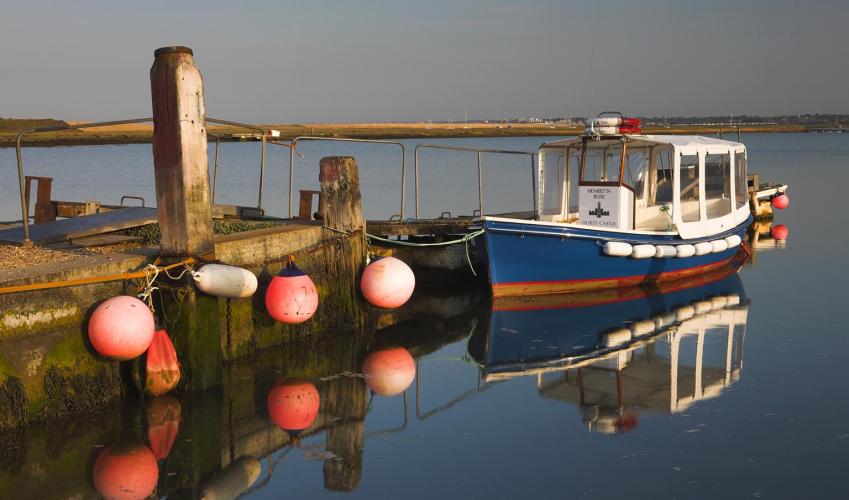
With The Gun Inn behind you, take the footpath ahead on the opposite side of the car park, following green Solent Way arrows. Turn right, with the harbour on your right. Cross a bridge and turn right through a gate beyond the parking area, signed running and walking trails.
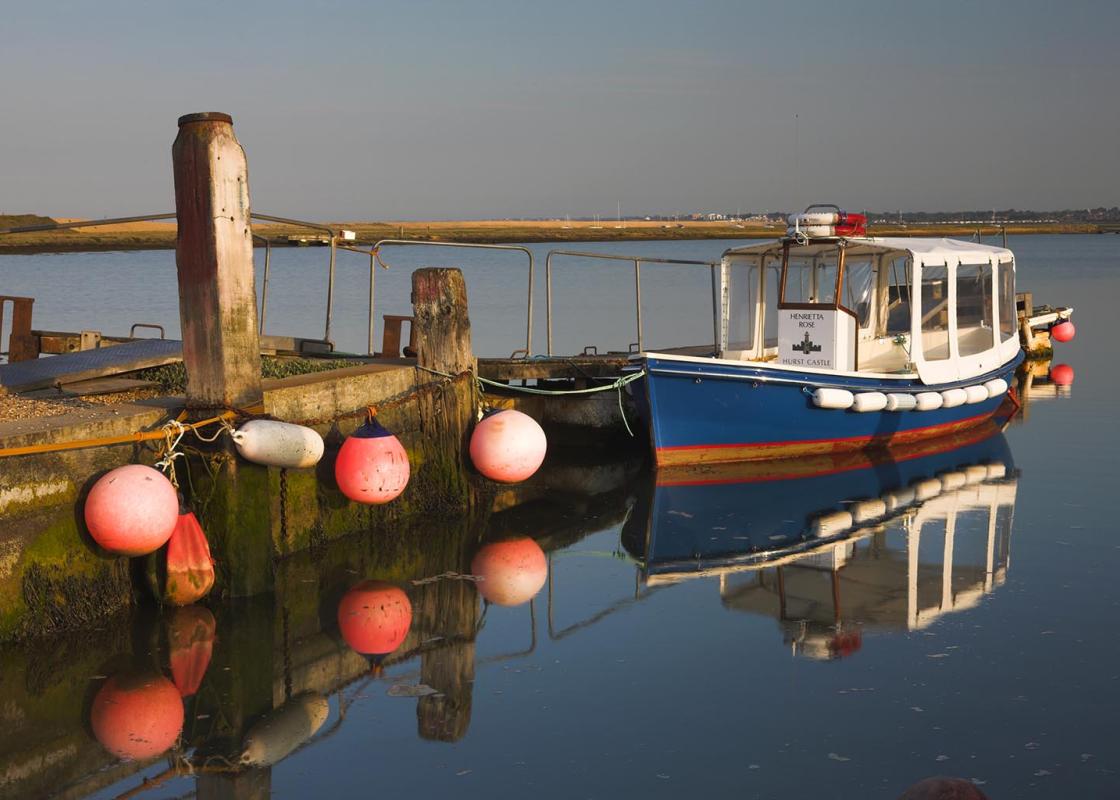
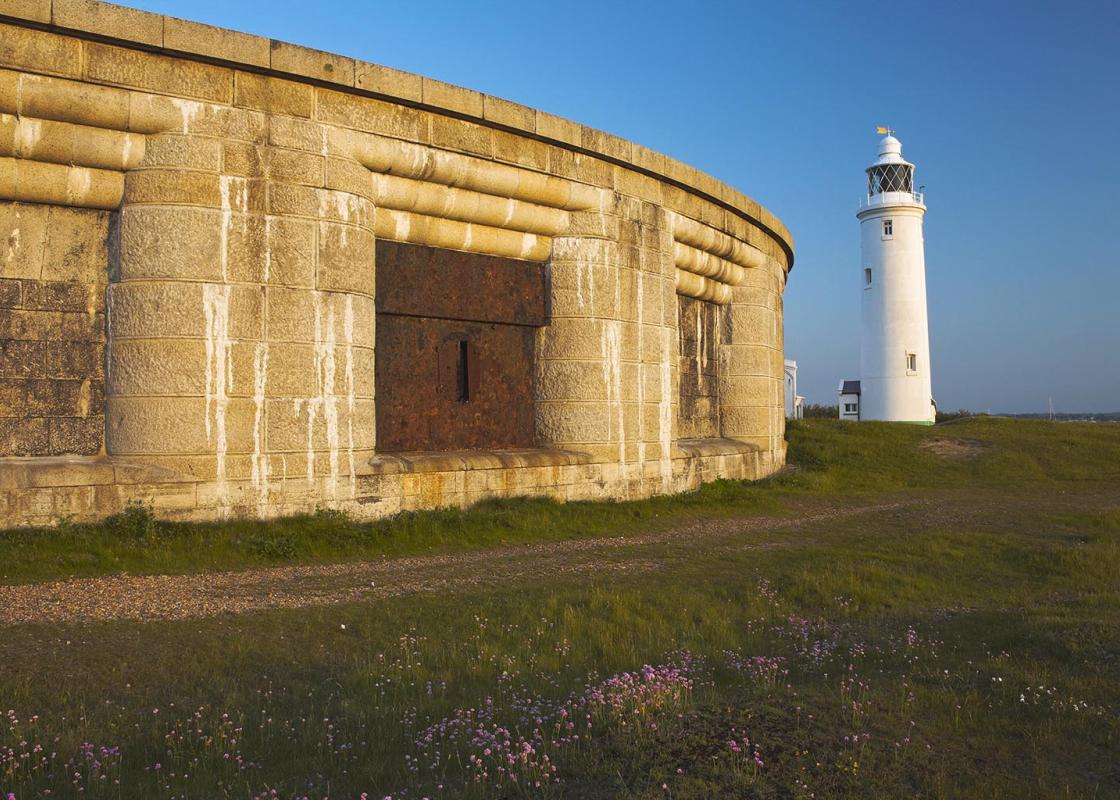
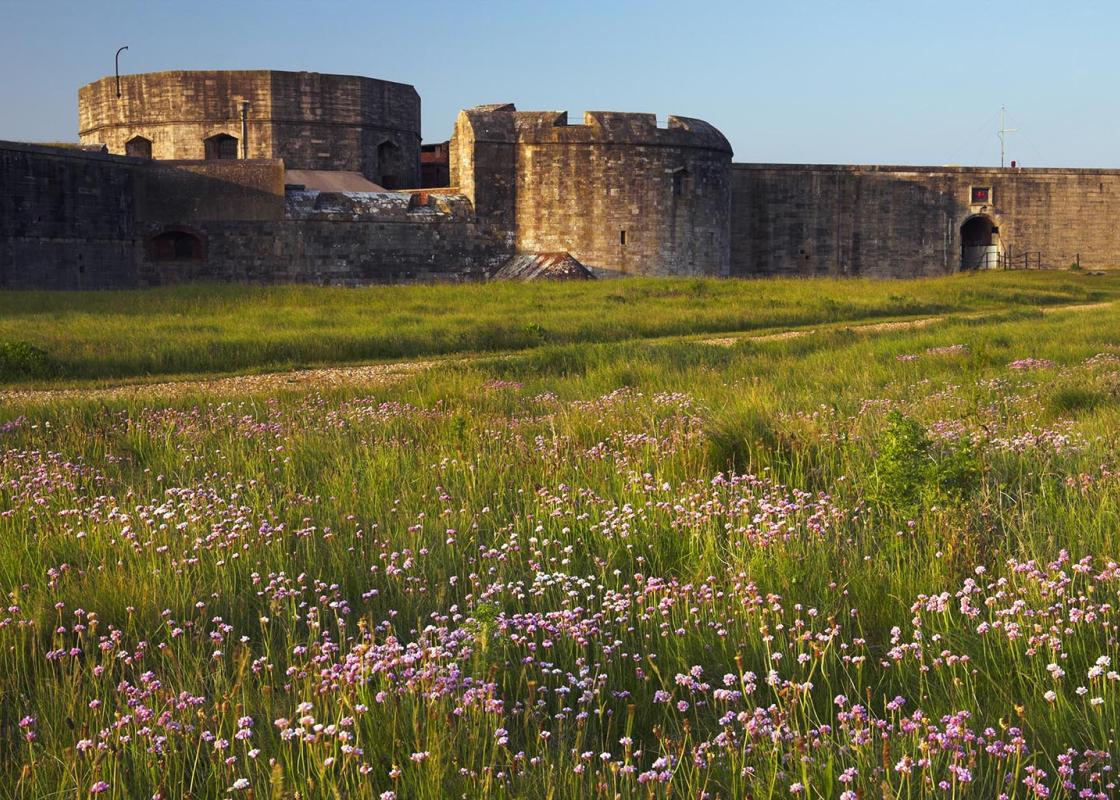
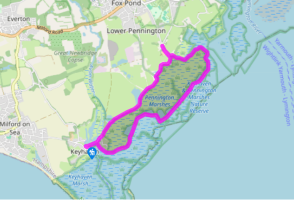
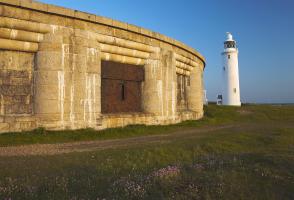
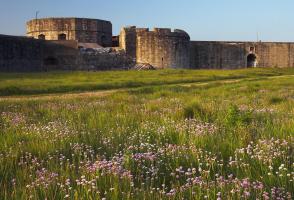
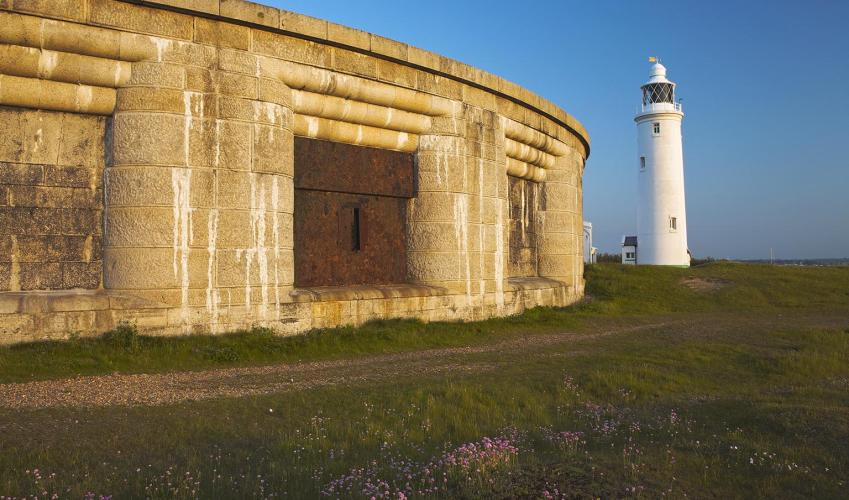
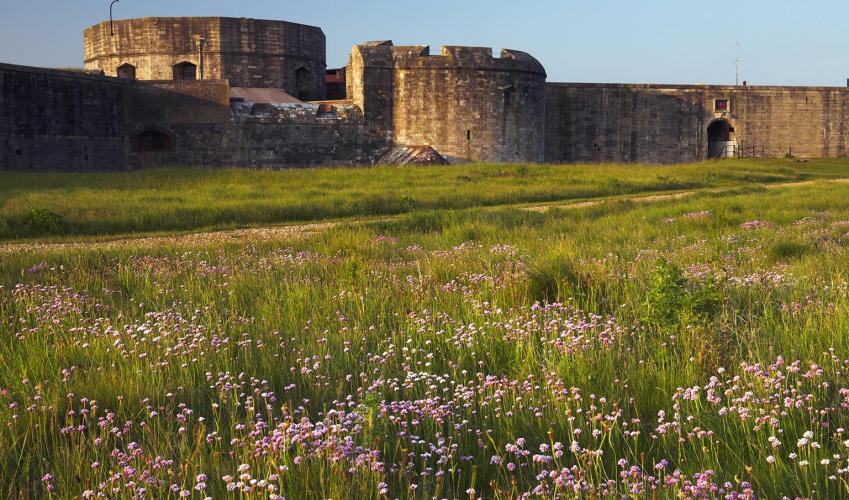
Remain on the good shingle path close to the foreshore, then continue along the sea wall, with fine views across the Solent to The Needles and Tennyson Down on the Isle of Wight and Hurst Castle on the mainland. Inland views take in the wildlife-rich Keyhaven Marshes. Continue through a gate beside Keyhaven Lagoon, enjoying the birdlife on both sides of the route. Pass Fishtail Lagoon, and reach a concrete jetty, a relic from World War II, when so much of this southern shore played a part in the preparations for D-Day and the Normandy landings.
View all directions
Additional information
Terrain
- Sea wall path, tracks and short stretch of road
Landscape
- Salt and freshwater marshland
Dog friendliness
- Strict control needed around nature reserve
Parking
- Pay-and-display car park in Keyhaven (arrive early on summer days)
Toilets en route
- Keyhaven car park
About the walk
Between Hurst Spit at the western end of the Solent and the ancient town of Lymington lies a huge expanse of salt and freshwater marshes and mudflats, a breezy, watery landscape that’s more reminiscent perhaps of East Anglia than Hampshire. The area is a birder’s paradise, with the marshes, lagoons...
Read more

Been on this walk?
Send us photos or a comment about this route. Or recommend a route of your own.

Walking in Safety
Read our tips to look after yourself and the environment when following this walk.
Get an AA guide
Explore our range of ‘50 Walks in’ guides - they’re the ideal companion for a ramble.
Been on this walk?
Send us photos or a comment about this route. Or recommend a route of your own.
Walking in Safety
Read our tips to look after yourself and the environment when following this walk.
Get an AA guide
Explore our range of ‘50 Walks in’ guides - they’re the ideal companion for a ramble.
About the area
Hampshire’s varied landscape of hills and heaths, downlands and forests, valleys and coast are without rival in southern England. Hike across the chalk downland of the north Hampshire ‘highlands’, meander along peaceful paths through unspoilt river valleys of the Test, Itchen, Avon and Meon, or explore the lonely salt marshes and the beautiful medieval forest and heathland of the New Forest.
Nearby places to stay
View all (8)
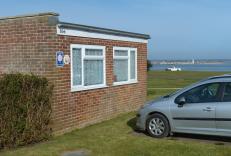
Nearby places to stay
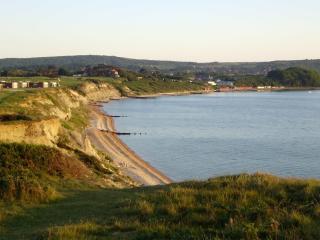
67 Cliff End
This refurbished, modern bungalow sleeps up to four and is located in a quiet corner of the bungalow park. This property enjoys glorious sea views in three directions and open fields to...
67 Cliff End
This refurbished, modern bungalow sleeps up to four and is located in a quiet corner of the bungalow park. This property enjoys glorious sea views in three directions and open fields to...
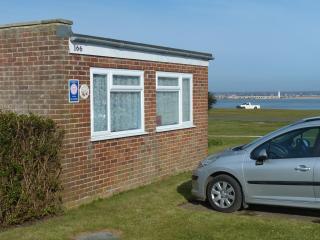
166 Brambles Chine
With stunning views of the Needles and Hurst Castle, the chalet sits in a holiday park above Colwell Bay in the more secluded West Wight area. The coastal path passes through the site f...
166 Brambles Chine
With stunning views of the Needles and Hurst Castle, the chalet sits in a holiday park above Colwell Bay in the more secluded West Wight area. The coastal path passes through the site f...
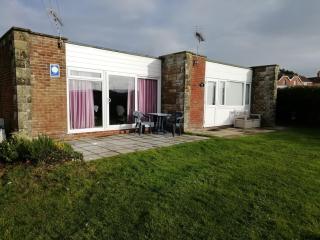
84 Brambles Chine
No. 84 Brambles Chine is a well-appointed bungalow in Linstone Chine Holiday Village, which has its own safe (Blue Flag) beach at Colwell Bay. Nearby are Alum Bay’s famous multi-coloure...
84 Brambles Chine
No. 84 Brambles Chine is a well-appointed bungalow in Linstone Chine Holiday Village, which has its own safe (Blue Flag) beach at Colwell Bay. Nearby are Alum Bay’s famous multi-coloure...
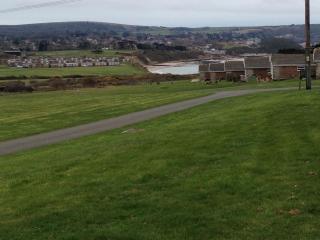
Cliff End 2
No 2 Cliff End is a self-contained, 2 bedroom holiday bungalow. Accommodating six with the use of the lounge sofa bed. Well equipped with everything you need for a self-catering holiday...
2 Cliff End
No 2 Cliff End is a self-contained, 2 bedroom holiday bungalow. Accommodating six with the use of the lounge sofa bed. Well equipped with everything you need for a self-catering holiday...
Places to eat nearby View all