Over the Downs to Turnworth
Recommended by

Walk directions
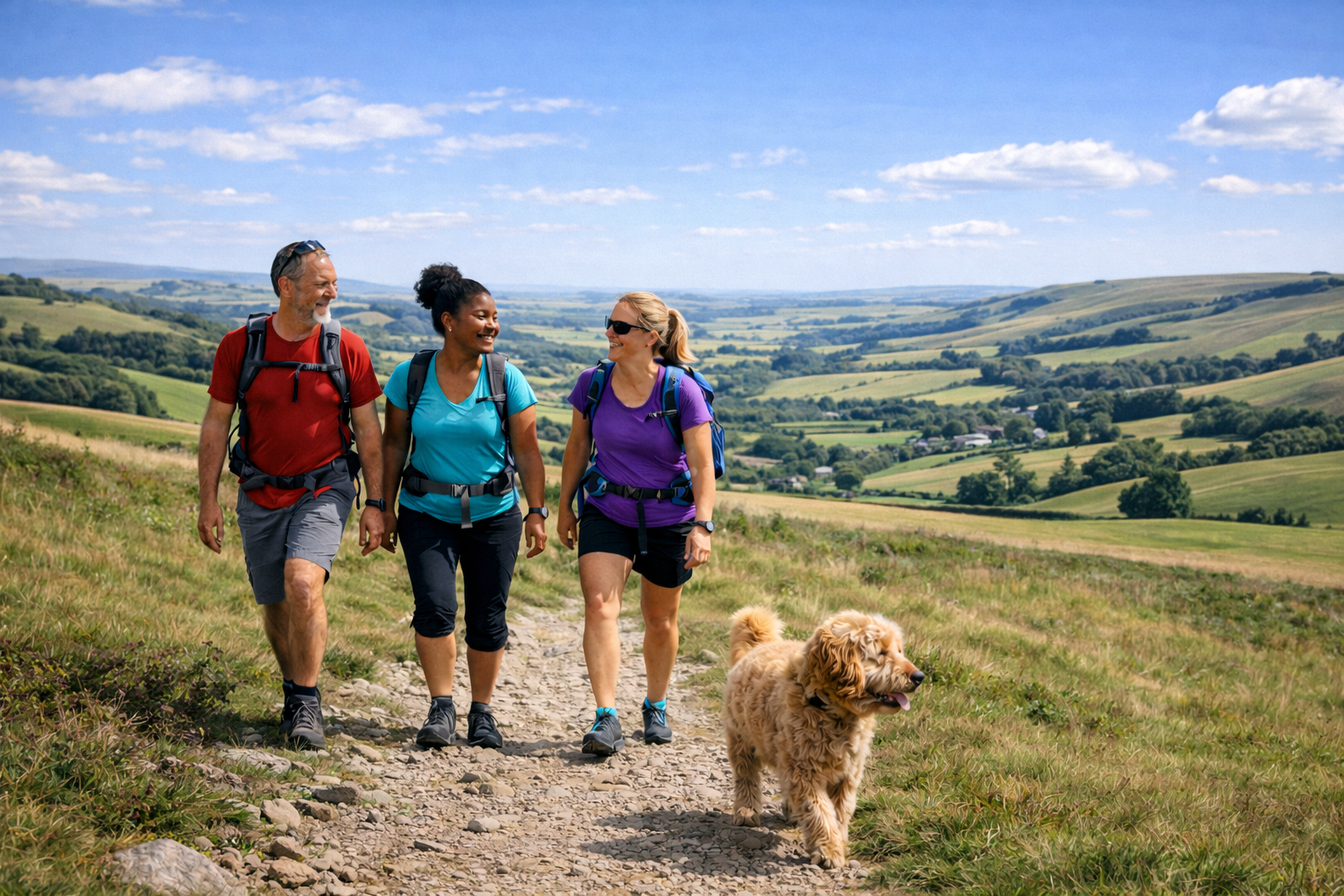
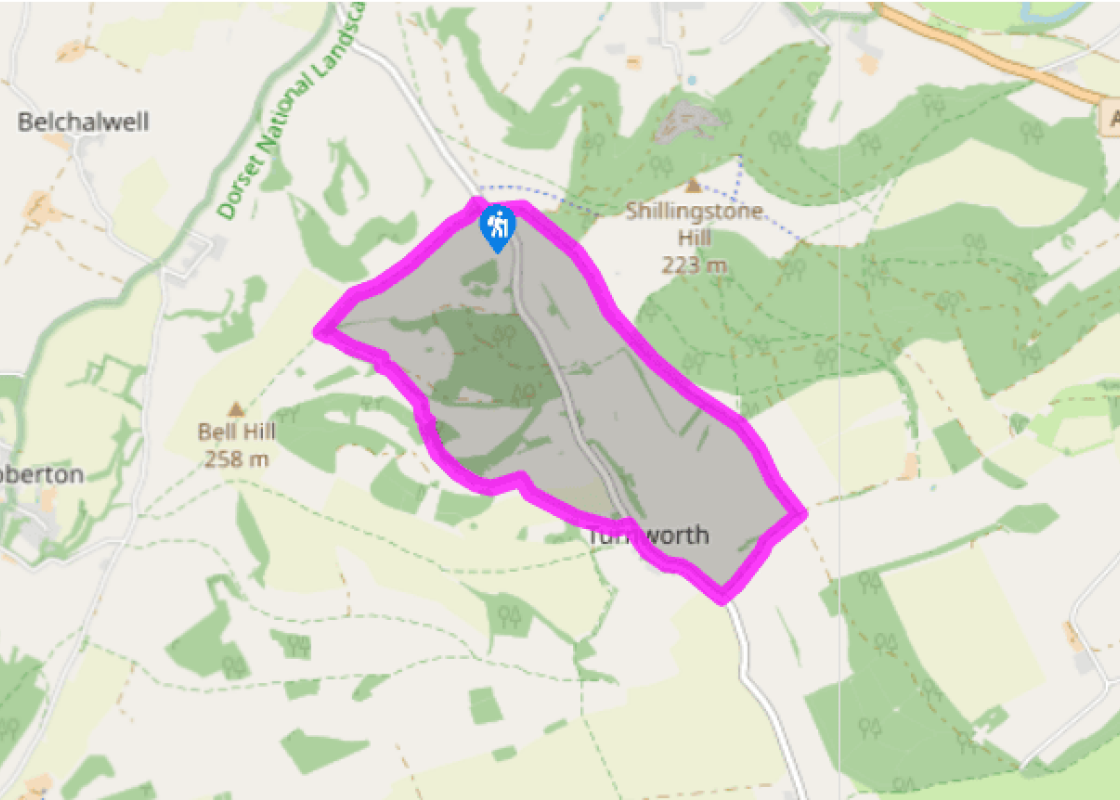
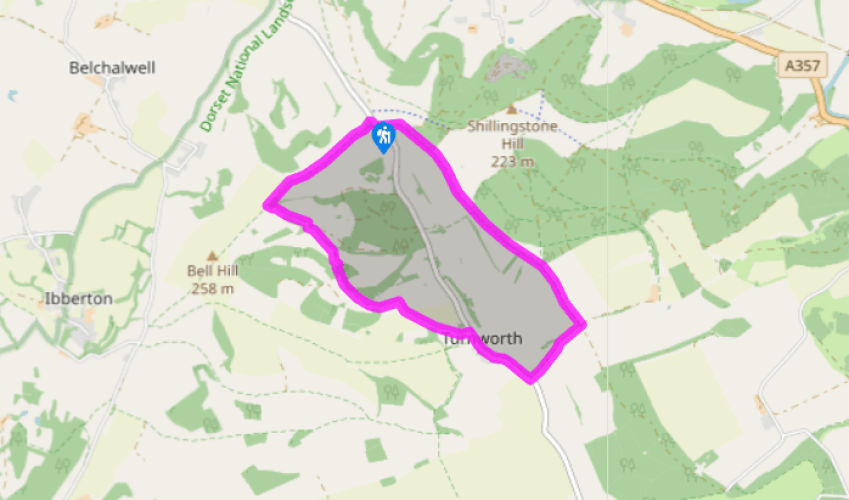
Turn right out of the picnic area and down the hill, almost immediately turning left down a wide track. About 250yds (230m) on – just after a green barrier in front of a wood and just before a Forestry Commission sign for Okeford Hill – fork right. Follow this woodland path for about 0.25 miles (400m), then bear right through a gap by a yellow footpath marker and immediately turn left along a broad green ride, with a windswept hedge on your left. Go straight on, following the track as it runs through woodland, descending gently and narrowing all the time to the end of the wood. Stay on what has become a narrow path between hedges with open farmland beyond for 0.25 miles (400m).
At a crossroads of tracks, marked by a fingerpost, turn right. The path leads downhill, passing a barn on the right. At the bottom turn right and walk along the road to Turnworth village, passing the Church of St Mary on the left.
View all directions
Additional information
Terrain
- Flinty tracks, bridleways, forest paths, village road
Landscape
- Farmed valleys, expansive views, windswept chalk ridge, woodland
Dog friendliness
- Beware of horses
Parking
- Okeford Hill car park and picnic area (very narrow entrance) just west of road, at top of hill north of Turnworth; more accessible lay-by further north, on opposite side
Toilets en route
- None on route
About the walk
Though Thomas Hardy (1840–1928) is well known as a novelist and a poet, his first chosen career as an architect is barely acknowledged. Hardy was born at Higher Bockhampton into a family of builders and stonemasons, so it was natural enough that at 16 he should start architectural studies as a...
Read more

Been on this walk?
Send us photos or a comment about this route. Or recommend a route of your own.

Walking in Safety
Read our tips to look after yourself and the environment when following this walk.
Get an AA guide
Explore our range of ‘50 Walks in’ guides - they’re the ideal companion for a ramble.
Been on this walk?
Send us photos or a comment about this route. Or recommend a route of your own.
Walking in Safety
Read our tips to look after yourself and the environment when following this walk.
Get an AA guide
Explore our range of ‘50 Walks in’ guides - they’re the ideal companion for a ramble.
About the area
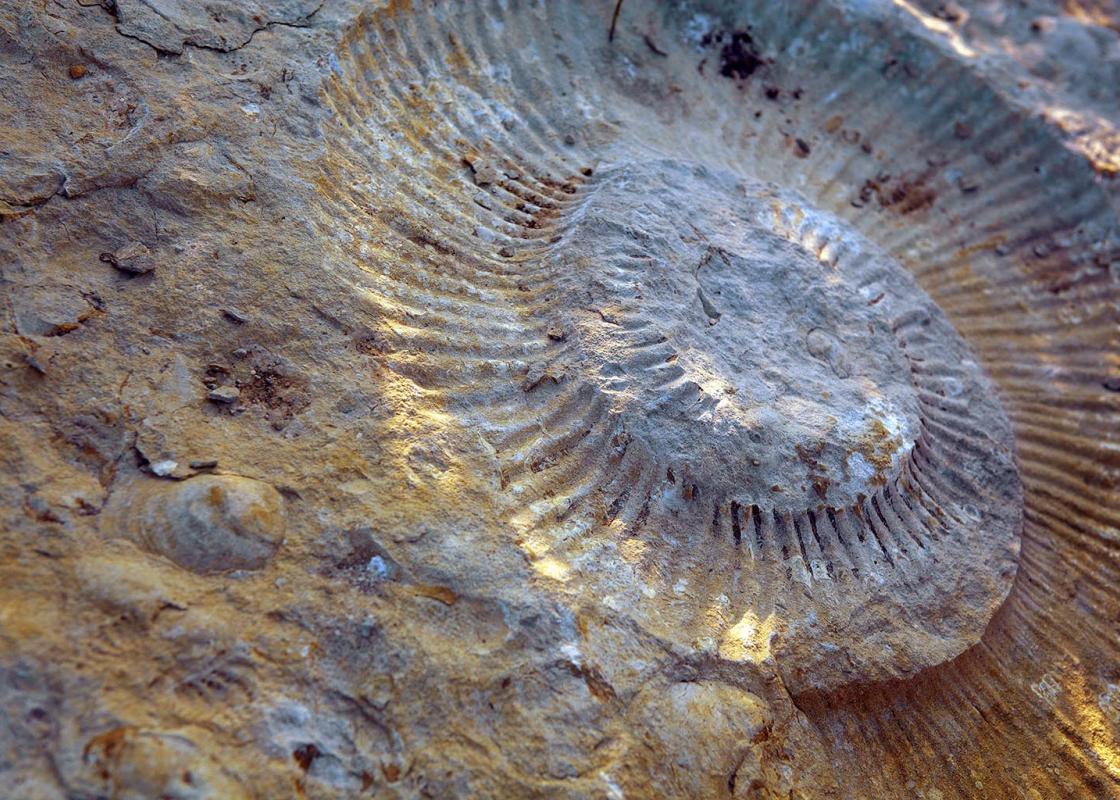
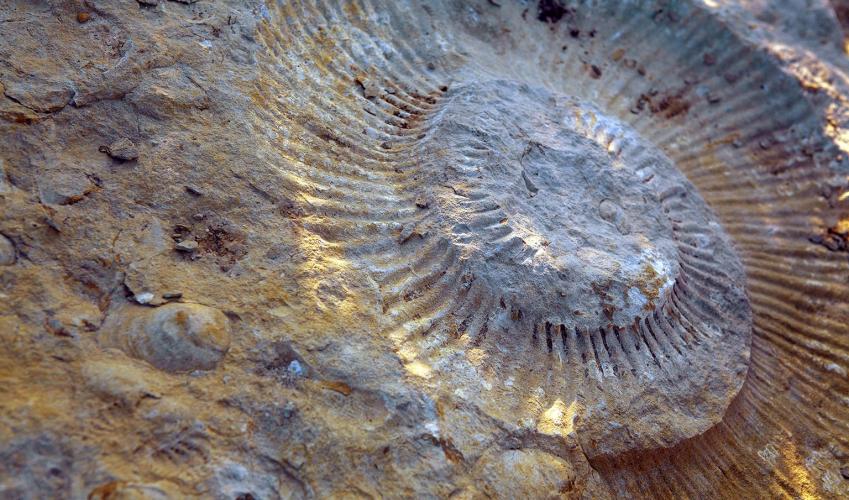
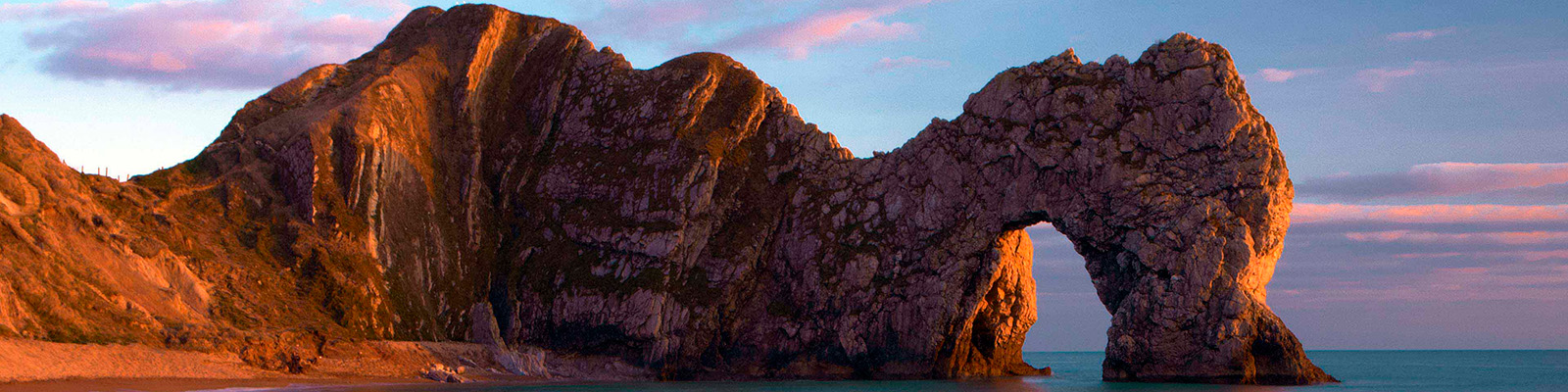
Dorset is made up of rugged coastlines, high chalk downlands and a chain of picturesque villages and seaside towns that make up Britain’s Jurassic Coast, a UNESCO World Heritage Site and Area of Outstanding Natural Beauty, noted for its layers of shale and numerous fossils embedded in the rock. Hidden gems of Dorset can be found down winding, country lanes that lead to snug villages hidden from view.
Nearby places to stay
View all (8)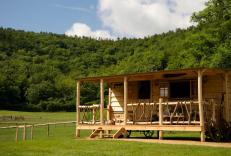



Nearby places to stay
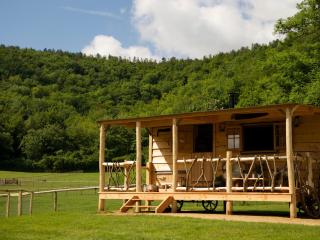
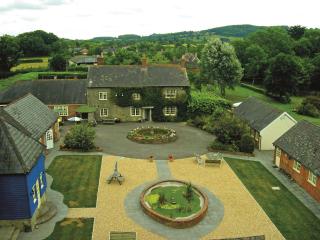
Loose Reins
A chance to embrace the pioneer spirit in charming frontier-style porched cedar cabins and canvas lodges in a great location near Shillingstone in Dorset. Comfort assured, with fully eq...
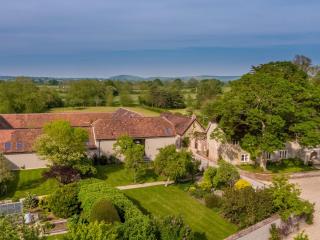
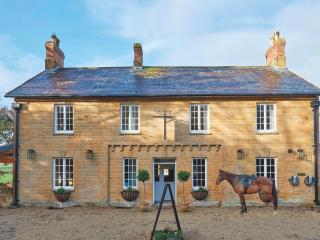
Hammoon Manor Barn
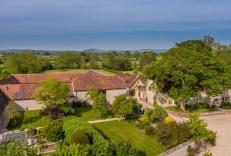
Hammoon Manor offers luxurious self-catering accommodation, located in the heart of Thomas Hardy’s ‘Vale of Little Dairies’ and two and a half hours from Central London. It's surrounded...
Hammoon Manor Barn
Hammoon Manor offers luxurious self-catering accommodation, located in the heart of Thomas Hardy’s ‘Vale of Little Dairies’ and two and a half hours from Central London. It's surrounded...
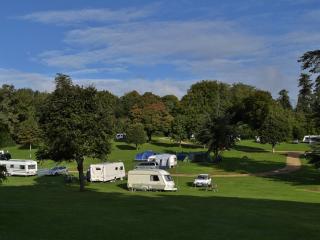
The Inside Park
The Inside Park has been established for over 30 years, and its secluded 14 acres of park and woodland sees a lot of return visitors. Containing many fine specimen trees, the park and i...
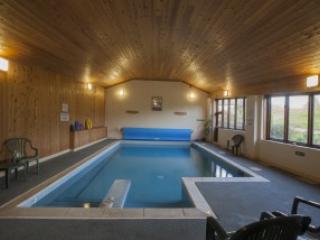
Luccombe Country Holidays
The 11 cottages that form Luccombe Country Holidays are located in a hidden valley tucked away deep in the Dorset countryside, close to the Jurassic Coast. Part of a 650-acre working fa...
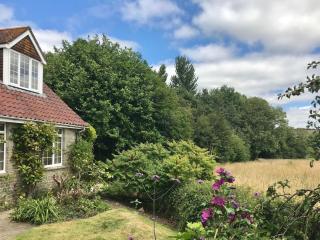
Greygles Cottage
This lovely cottage will be a hit with literature buffs keen to explore the Dorset countryside immortalised by Thomas Hardy in his novels. It’s also in prime walking country, a mile fro...
Greygles
This lovely cottage will be a hit with literature buffs keen to explore the Dorset countryside immortalised by Thomas Hardy in his novels. It’s also in prime walking country, a mile fro...
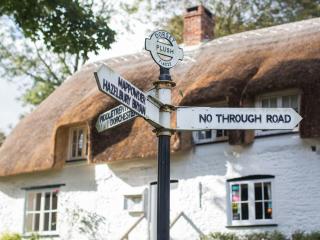
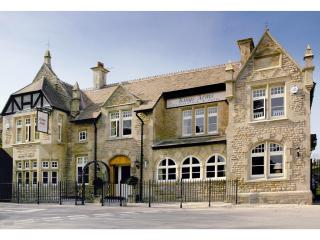
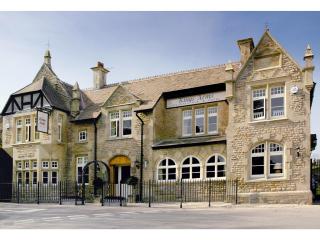
The Brace of Pheasants
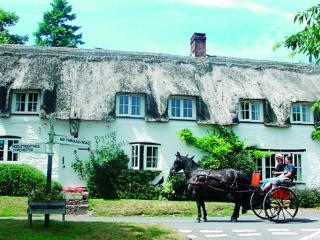
Situated in the heart of Dorset, The Brace of Pheasants is a picturesque thatched pub that offers a warm and genuine welcome to both visitors and locals alike. Very much a traditional i...
Places to eat nearby View all