Purse Caundle circuit
Recommended by

Walk directions
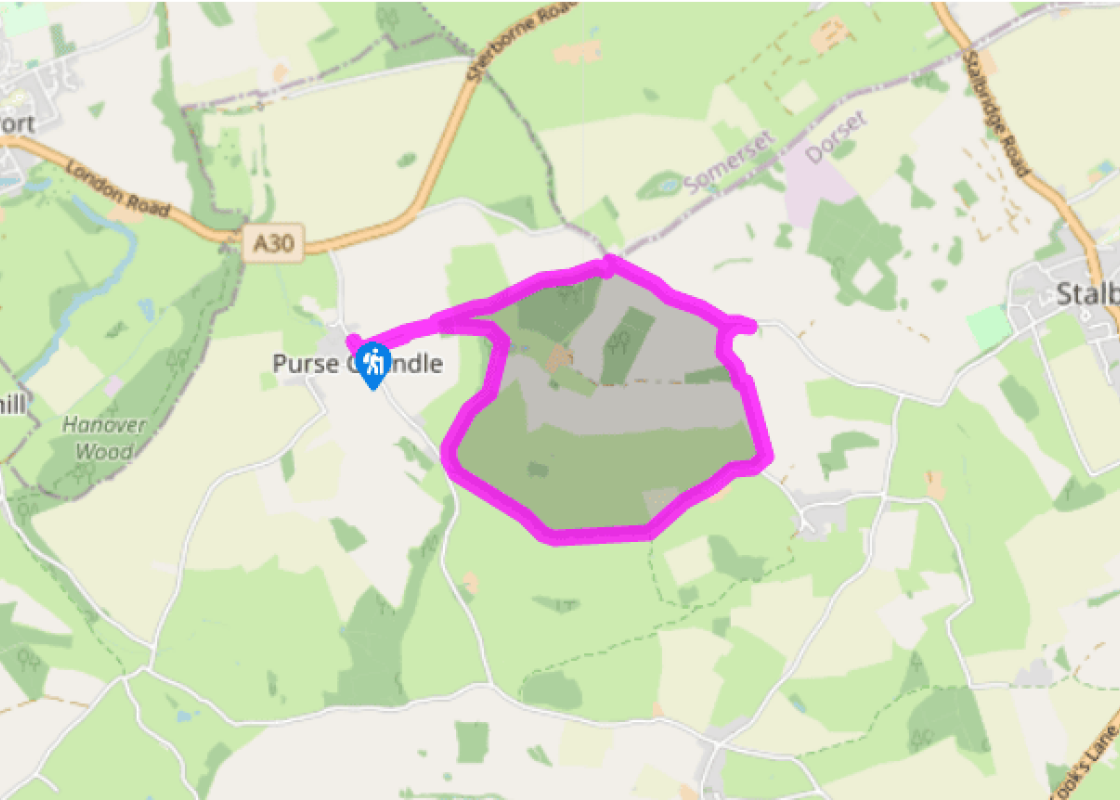
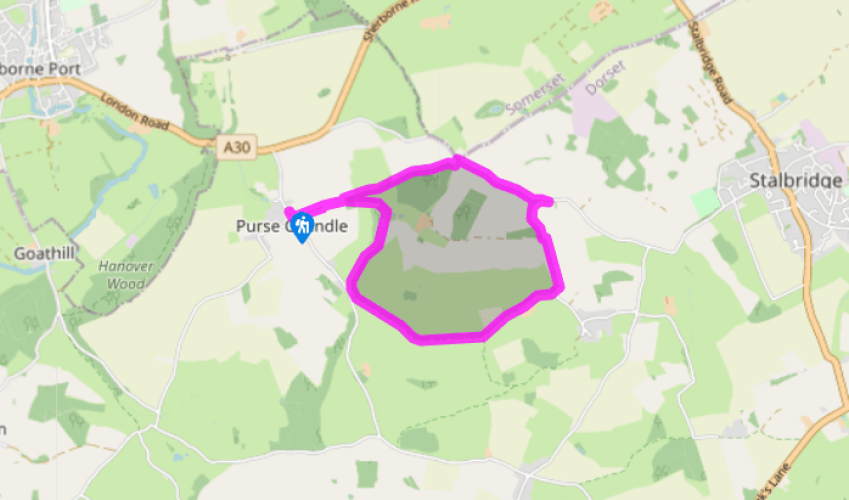
Park by the church, where there is a memorial bench in honour of four local men who were killed in World War I. Walk up the village street to admire the manor house. Return, pass the phone box and postbox, and turn left through a field gate. Go straight up the edge of the field, cross a stile and turn right to continue on this line, up through a gateway and across another field. After a second gateway bear diagonally right up the field. Cross a stile in the far corner and turn right. Soon take a hedge gap on your right and pass a lake to your left. Go through a hole through the hedge and bear right along the next field-edge.
Go through a gate then over a narrow stile at the corner and go on down the field edge on the right, until you go through a gate on the right by the houses of Clayhanger. Before reaching the road, turn left, up a bridleway. This narrows and is shared with a stream. It’s also apt to become extremely overgrown in the summer. Go through a gate and head diagonally out across the field, slanting up to find a faint track. Go through the field gate in the far, top corner onto the muddy track. This becomes a hedged lane, which you follow for 0.5 miles (800m) to pass Manor Farm.
View all directions
Additional information
Terrain
- Muddy field paths, farm tracks, country roads, wet bridleway
Landscape
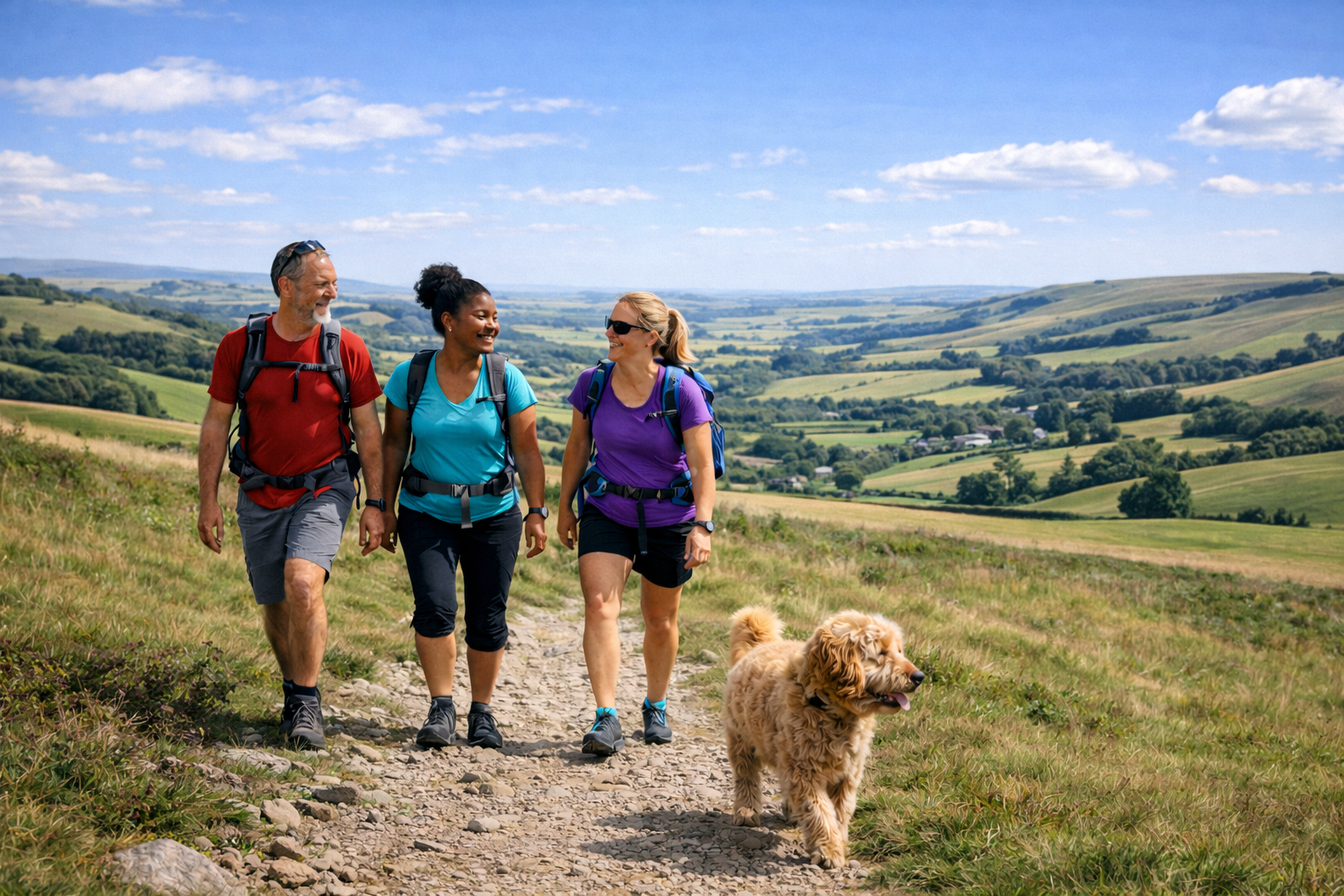
- Little green hills and valleys with scattered settlements
Dog friendliness
- Some road walking
Parking
- Limited space near church, Purse Caundle
Toilets en route
- None on route
About the walk
On the north Dorset border, Purse Caundle is too easily bypassed by folk in a hurry to reach Sherborne. It is an ordinary little village with an extraordinarily fine manor house. On the village lane you are almost too close to admire it properly – you get a better overall view of its extent from...
Read more

Been on this walk?
Send us photos or a comment about this route. Or recommend a route of your own.

Walking in Safety
Read our tips to look after yourself and the environment when following this walk.
Get an AA guide
Explore our range of ‘50 Walks in’ guides - they’re the ideal companion for a ramble.
Been on this walk?
Send us photos or a comment about this route. Or recommend a route of your own.
Walking in Safety
Read our tips to look after yourself and the environment when following this walk.
Get an AA guide
Explore our range of ‘50 Walks in’ guides - they’re the ideal companion for a ramble.
About the area
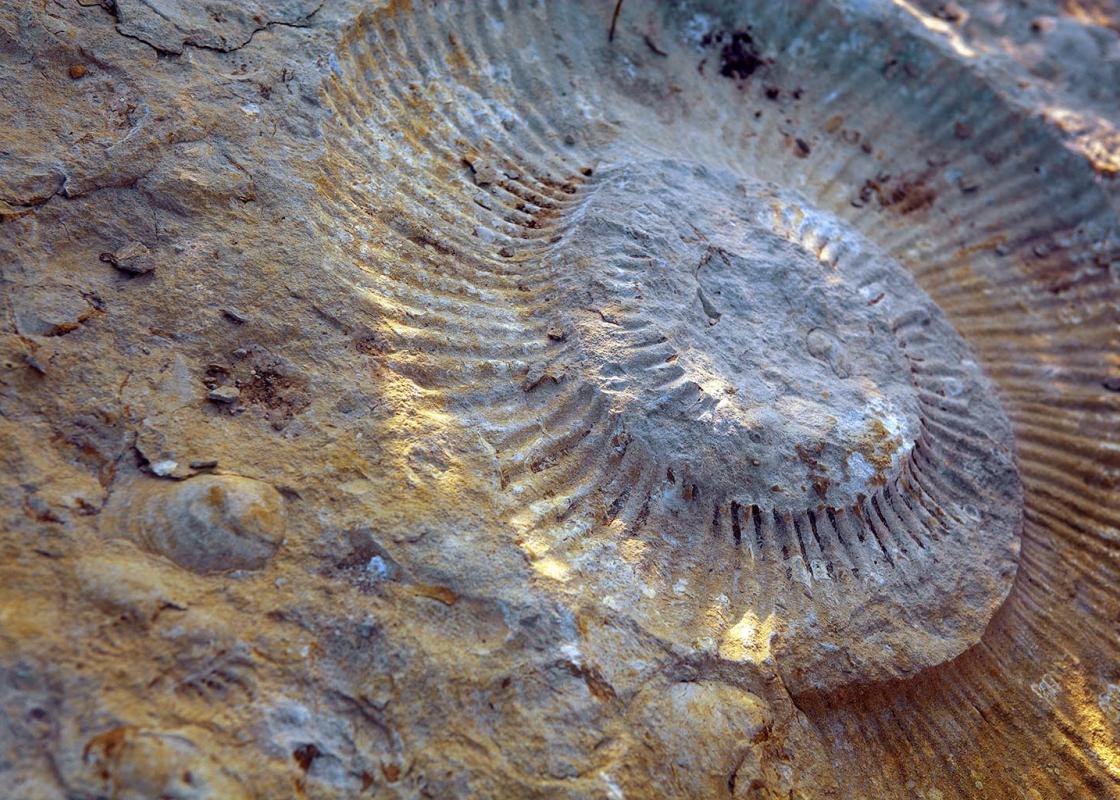
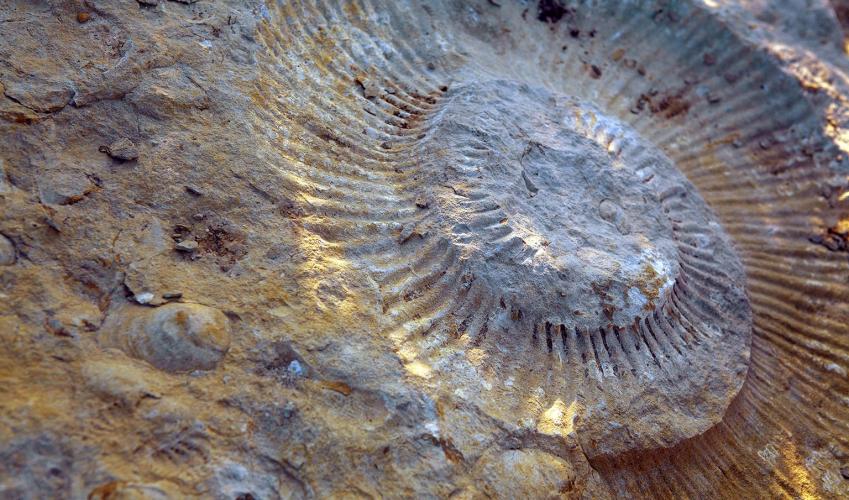
Dorset is made up of rugged coastlines, high chalk downlands and a chain of picturesque villages and seaside towns that make up Britain’s Jurassic Coast, a UNESCO World Heritage Site and Area of Outstanding Natural Beauty, noted for its layers of shale and numerous fossils embedded in the rock. Hidden gems of Dorset can be found down winding, country lanes that lead to snug villages hidden from view.

Nearby places to stay
View all (8)

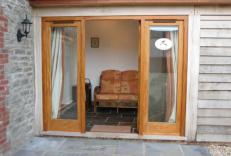
Nearby places to stay
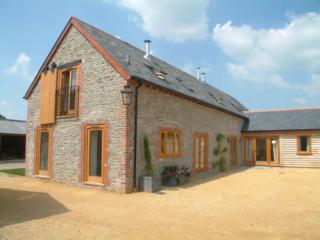
Owl Cottage
Awaiting description...
Folke Manor Farm Cottages
The holiday cottages at Folke Manor Farm are located in the stunning Blackmore Vale area of North Dorset. Off the beaten track, the properties are in peaceful grounds with two large pon...
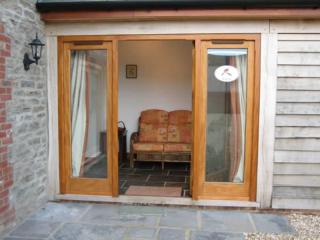
Wren Cottage
Awaiting description...
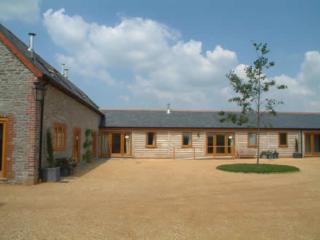
Woodpecker Cottage
Awaiting description...
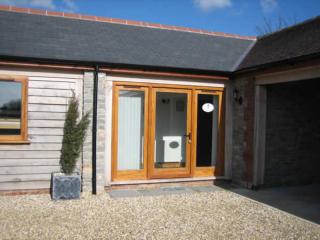
Kingfisher Cottage
Awaiting description...

The Eastbury & Spa
Much of The Eastbury's original 17th-century Georgian charm has been maintained at this smart, luxurious property. Just five minutes' stroll from the abbey and close to the town centre,...

The Kings Arms
Situated in the heart of this engaging village, The Kings Arms offers impressive standards throughout. The experienced owners have created something for everyone with a convivial bar, s...
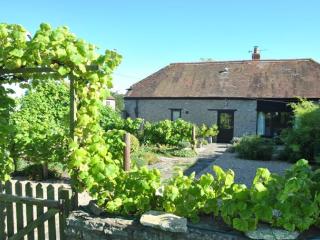
Courtyard Barn
A perfect place for a holiday with family or friends, Courtyard Barn has a lovely south-facing garden that looks out over farmland, and is ideal for alfresco dining. Inside is a games r...
Places to eat nearby View all