Minterne Magna and Hermitage
Walk directions
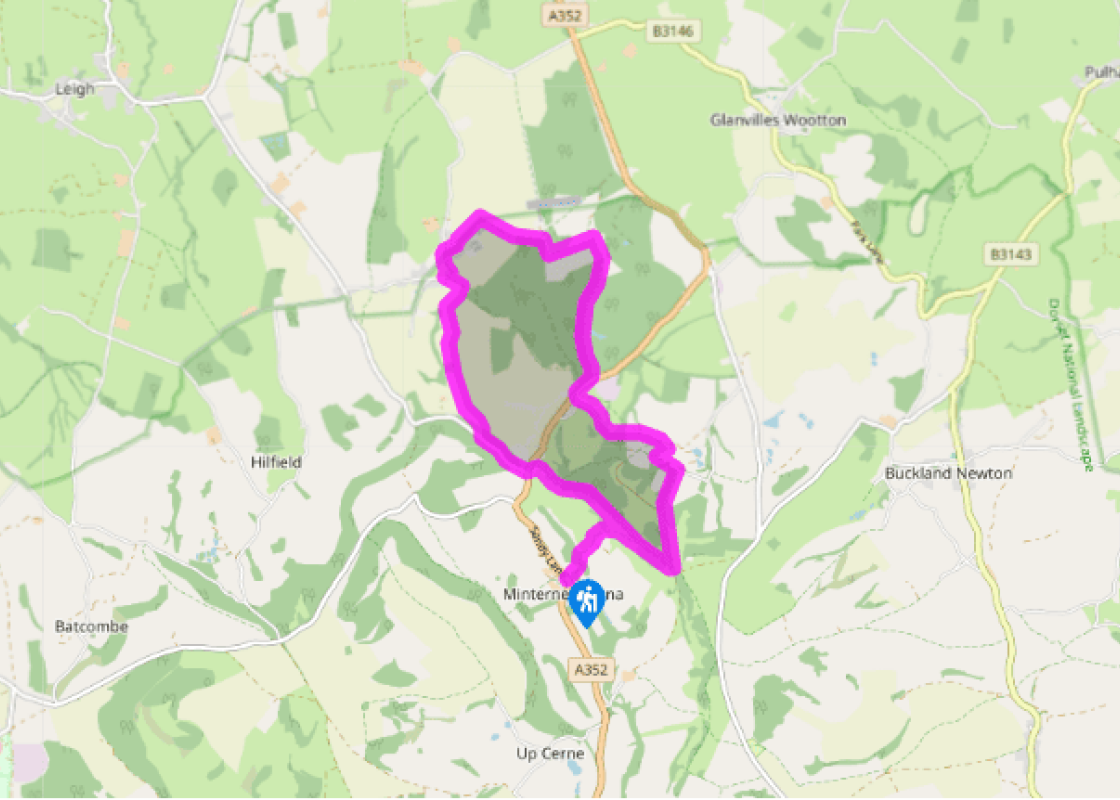
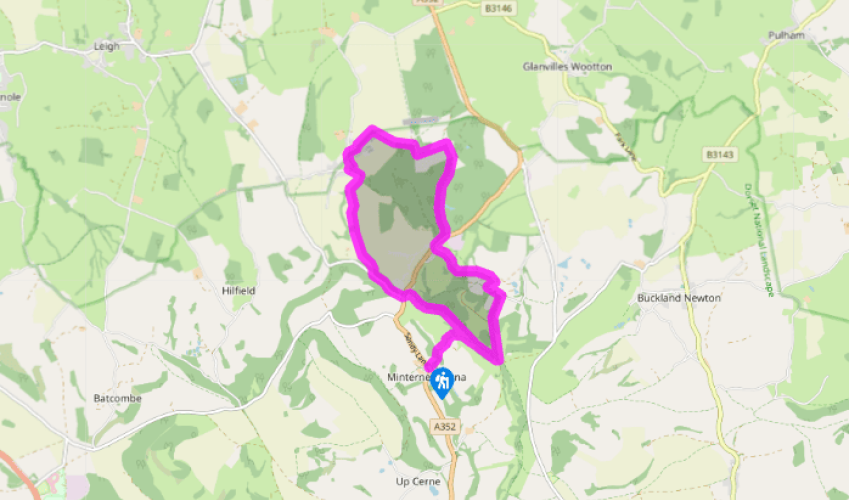
Opposite the car park, a track leaving beside the church drops across the River Cerne to climb Little Minterne Hill. Where it later swings right, bear left through a gate and continue up between fields. Beyond a second gate, slant uphill to the right, go through a gate and bear right again at a signpost. Follow the ridge track right for 0.25 miles (400m) to a bend.
Through gates on the left, strike half left across open pasture, enjoying the expansive view north over lush farmland. Shortly heading downhill, continue between fences, dropping beyond to join another track that leads on to Lyons Head Farm.
At the house, turn left on a metalled track. As it swings right to wooden gates, keep ahead to step across a stream to reach a stile and gate. Climb by the right hedge to a gate at the top. Go immediately through a second gate on the right, a contained path that leads past rough plantation to open pasture. Meeting a track, follow it left uphill. Leave the track at a plantation corner to head straight forwards up and over a field (there’s no path) to a hedge gap. Bear right to find a gate at the far side into trees. Drop over a slowly rotting footbridge to an overgrown pasture. Climb away half right and through a gap in a bramble bank to find a gate, hidden towards the right-hand end of the top boundary. There is no path here and you’ll have to forge your own way across this abandoned pasture. When you do find the gate, you’ll have to push through brambles to reach it. Entering a rough field, go left through a hedge gap and strike diagonally down to go through two field gates below stables.
Emerging onto a lane at Lyon’s Gate, go right and then right again along the main road. After 150yds (137m), cross to a track into Hermitage Woodlands. At a bridleway sign a short way along, go left over a footbridge and through a wood. Walk through the trees to a footbridge and gate. Emerging into a field, bear diagonally left to cross it to a gate in the top-left corner with a yellow footpath arrow. Follow the right-hand field-edge, swinging right with the hedge to a field gate. Go through it and along a short track to a metalled lane. Turn left, passing Williford Farm. Follow the lane into Hermitage, turning left at a T-junction by a postbox. A few paces later, turn left along a footpath to a gate on your right, passing along a gravel path to the Church of St Mary. Go through a kissing gate into the churchyard. After exploring the church, leave by a metal gate to the right of the church porch.
After passing through a garden, turn left along a signed footpath, passing to the left of a pond. Go through a gate to enter a field, leaving through a gap part-way up the right hedge. Cross two fields, then climb across the slope in the third field to a stile in the top-right corner. Go immediately over a second stile and follow the right-hand field-edge, climbing to another pair of stiles.
Follow the field-edge to a field gate on your right. Pass through it, with Lyon’s Hill farmhouse to your left, to go up an obvious track leading uphill, and bearing left. Climb ahead past the farmhouse and out to a lane. Turn left down to the main road.
Cross to a track opposite, which climbs onto Dogbury Hill. Walk on past a transmitter mast along the high ridge above Minterne Magna for another 0.25 miles (400m) to find the gate through which you came up. Retrace your outward route back to the car park.
Additional information
Terrain
- Tracks, woodland and field paths (not always clear), some lanes
Landscape
- Rolling farm and woodland
Dog friendliness
- Dogs on leads near grazing livestock
Parking
- Car park opposite church at Minterne Magna
Toilets en route
- None on route
About the walk
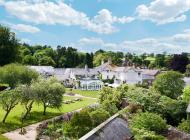
Often overlooked by those heading to the giant at Cerne Abbas, Minterne Magna is a delightful hamlet centred on a tiny church and fine manor house. It looks across the head of a peaceful valley in which the River Cerne springs, to the long ridge of Minterne Hill, while just to the north... overlooking Hermitage is Telegraph Hill, the fourth highest in the county. As its name suggests, Telegraph Hill was the site of one of the admiralty shutter telegraphs, a system designed by Lord Murray in 1795 to relay messages over long distances. The first link was set up between London and Deal and soon extended to the naval bases at Portsmouth and Plymouth. The stations were set at roughly 7-mile (11.3km) intervals, and a short message could be sent and acknowledged over 400 miles (644km) in less than 10 minutes. The semaphores were mounted above wooden huts that housed the operators and were used until the end of the Napoleonic Wars. Originally a manor to Cerne Abbey, Minterne House was bought by John Churchill at the beginning of the 17th century. His son Winston left the estate not to his eldest son, John, the Duke of Marlborough (from whom Winston Churchill was descended), but to his younger son, Charles. On his death the house was sold to Admiral Robert Digby (a descendant of Sir Everard Digby, executed for his part in the Gunpowder Plot), who began landscaping the gardens. The original house succumbed to dry rot and was rebuilt in 1905 in the Elizabethan style by Leonard Stokes, a founder of the Arts and Crafts movement. The gardens, laid out in a horseshoe, incorporate waterfalls and lakes and are particularly noted for their rhododendrons and azaleas. At the other end of the walk is Hermitage, and described at the turn of the century by Edward VII’s surgeon, Sir Frederick Treves, as being ‘a Rip Van Winkle village’ – oblivious to change. The name derives from its settlement in the 12th century by a small group of Augustinian friars. They had gone by the middle of the 15th century but left behind the tiny church. It has been renovated several times since, the attractive barrelled roof being installed around 1800 along with the bell turret.
Read more
Been on this walk?
Send us photos or a comment about this route. Or recommend a route of your own.

Walking in Safety
Read our tips to look after yourself and the environment when following this walk.
Get an AA guide
Explore our range of ‘50 Walks in’ guides - they’re the ideal companion for a ramble.
Been on this walk?
Send us photos or a comment about this route. Or recommend a route of your own.
Walking in Safety
Read our tips to look after yourself and the environment when following this walk.
Get an AA guide
Explore our range of ‘50 Walks in’ guides - they’re the ideal companion for a ramble.
About the area
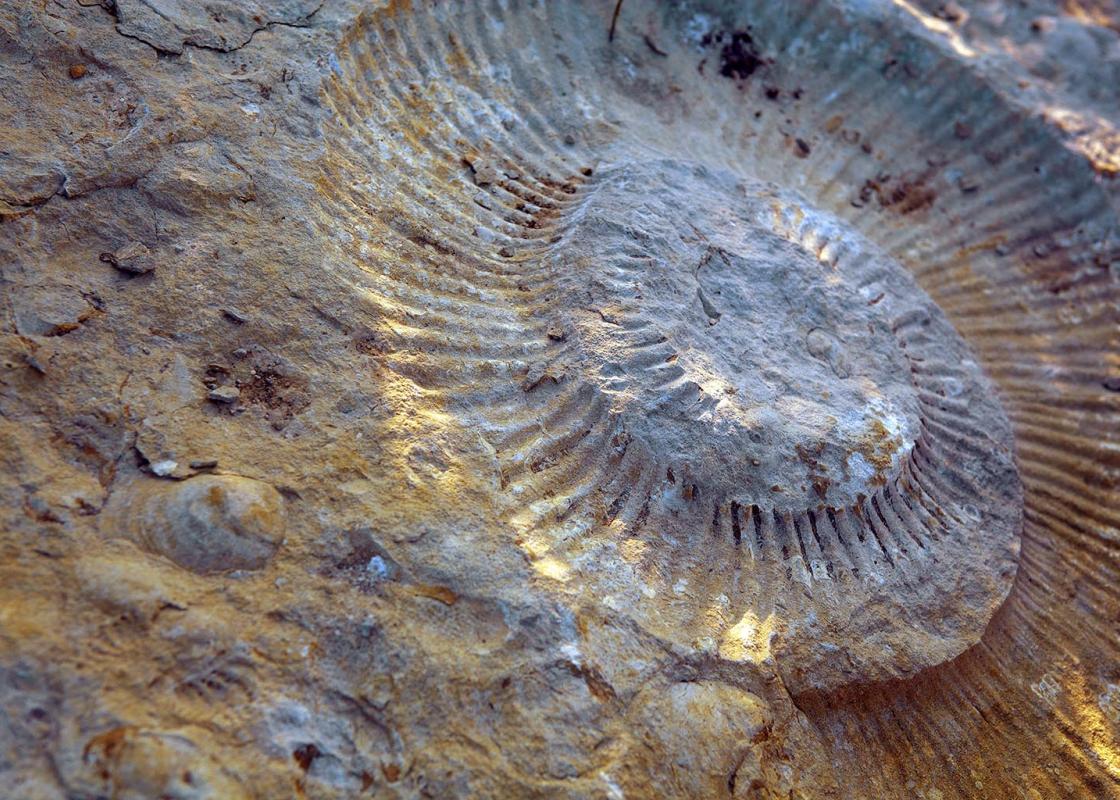
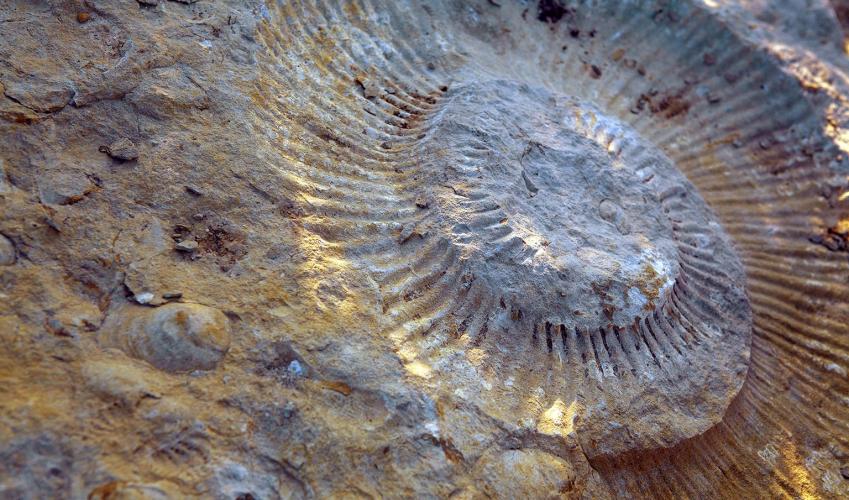
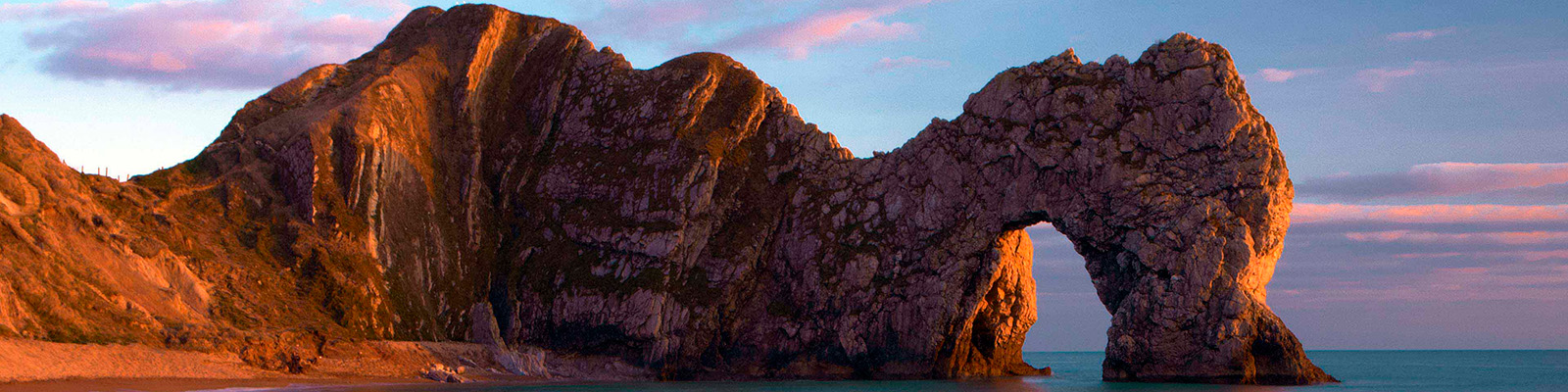
Dorset is made up of rugged coastlines, high chalk downlands and a chain of picturesque villages and seaside towns that make up Britain’s Jurassic Coast, a UNESCO World Heritage Site and Area of Outstanding Natural Beauty, noted for its layers of shale and numerous fossils embedded in the rock. Hidden gems of Dorset can be found down winding, country lanes that lead to snug villages hidden from view.
Nearby places to stay
View all (8)
Caravan & Camping
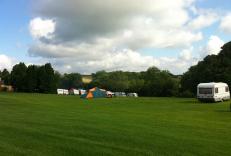
Giants Head Caravan & Camping Park

★★★
"Simple, well-maintained park in downland setting...."
- Launderette
- Ice pack facility
- Picnic Area
- Calor Gas
Nearby places to stay
Giants Head Caravan & Camping Park
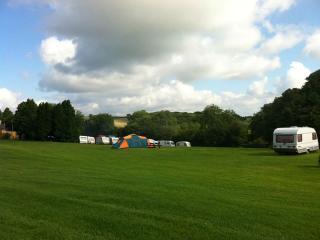
A pleasant and unspoilt park set in Dorset downlands near the Cerne Giant (the famous landmark figure cut into the chalk) and with stunning views. There are smart toilet and shower bloc...
★★★ Rating
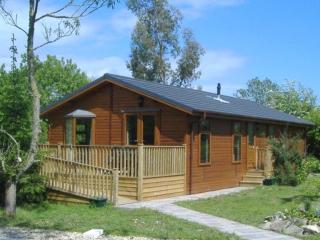
Otters Holt Lodge
Awaiting description...
★★★★ Rating
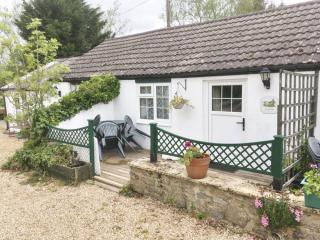
Toad Hall Cottage
Awaiting description...
★★★ Rating
White Horse Farm
Located in the rural Dorset in the hamlet of Middlemarsh, near Sherborne, White Horse Farm comprises 4 barn cottages and a 3 bed roomed 4-star lodge cabin. They feature WiFi, BBQ, are d...
★★★★ Rating
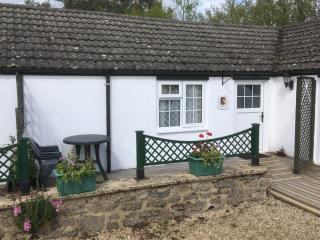
Badger's Cottage
Awaiting description...
★★★ Rating
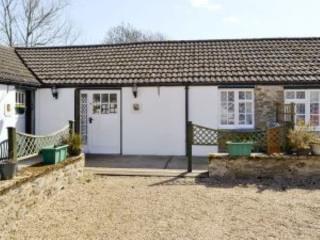
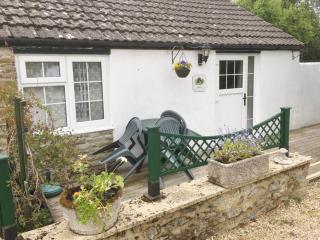
Ratty's Cottage
Awaiting description...
★★★ Rating
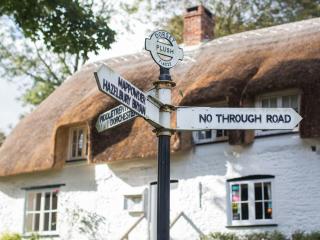
Moley's Cottage
Awaiting description...
★★★ Rating
The Brace of Pheasants
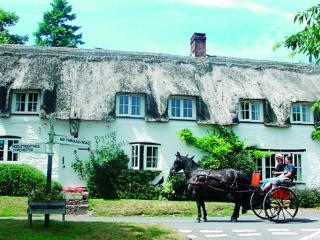
Situated in the heart of Dorset, The Brace of Pheasants is a picturesque thatched pub that offers a warm and genuine welcome to both visitors and locals alike. Very much a traditional i...
★★★★ Rating
Places to eat nearby View all