Ebor Way: Tadcaster to Wetherby
 Our view
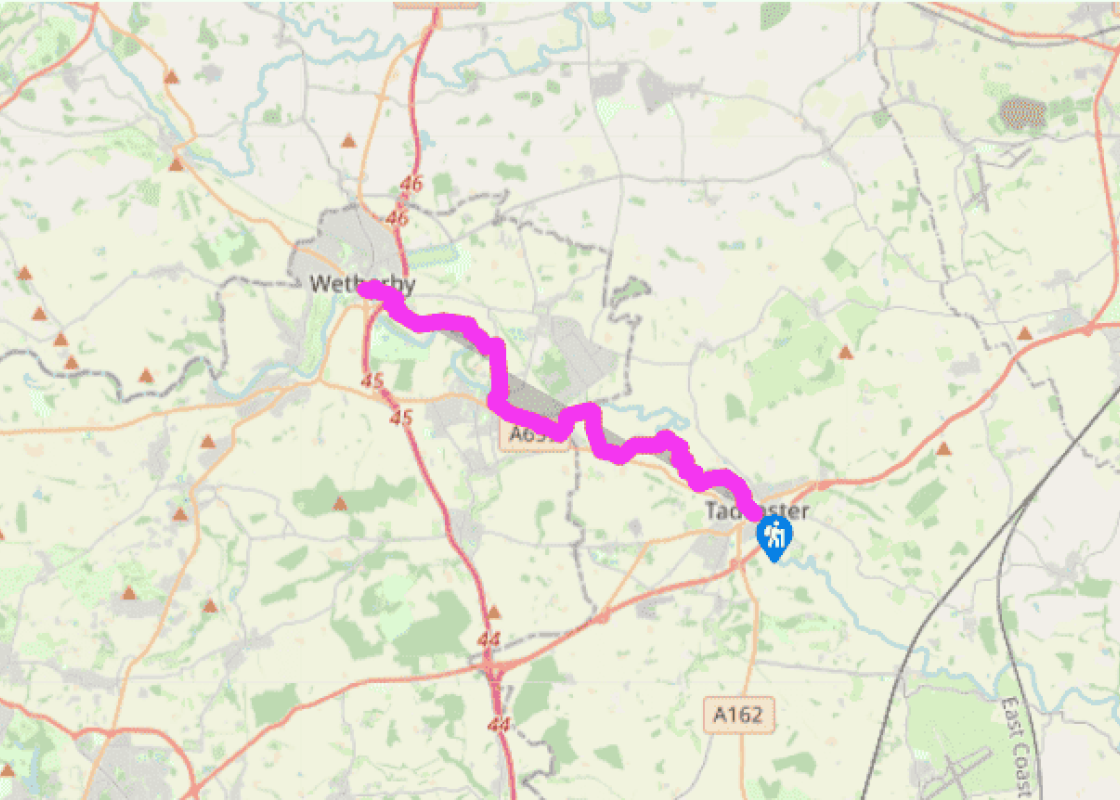
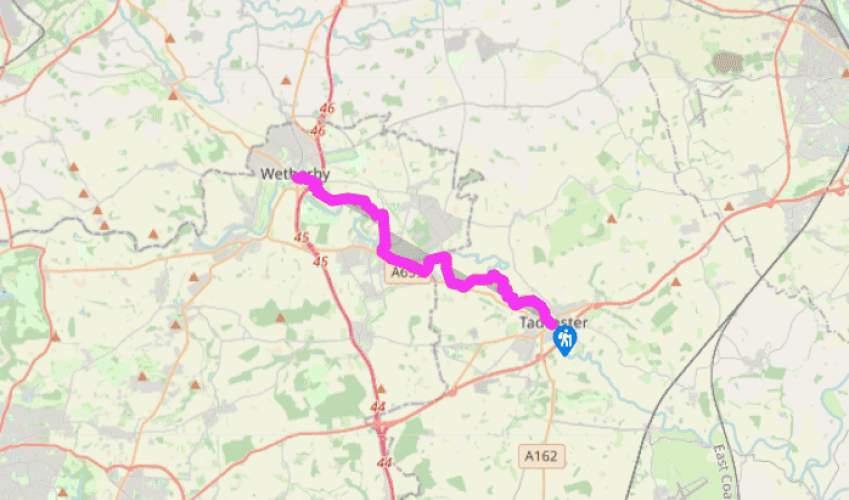
Cross over the bridge coming from York and turn right beside the River Wharfe. It was to the centre of Tadcaster Bridge that kings were escorted by the mayor and bailiffs of York, this being the limit of their control. Tadcaster saw the remnants of the Lancastrian forces pass by after their defeat at the Wars of the Roses Battle of Towton Moor in 1461; the bloodiest battle fought in Britain, with between 28,000 and 38,000 men killed out of some 76,000 on the field. The walk beside the river passes Tadcaster Church on the left. The church was taken down and reconstructed in 1877 to reduce the risk of flooding from the nearby river. Inside are some interesting Art Nouveau furnishings which were made locally. Follow the pleasant riverside path for the next 2 miles (3.2km). The route to Wetherby coincides with the 44-mile (71km) Bounds of Ainsty Walk, beside the Rivers Nidd, Wharfe and Ouse.
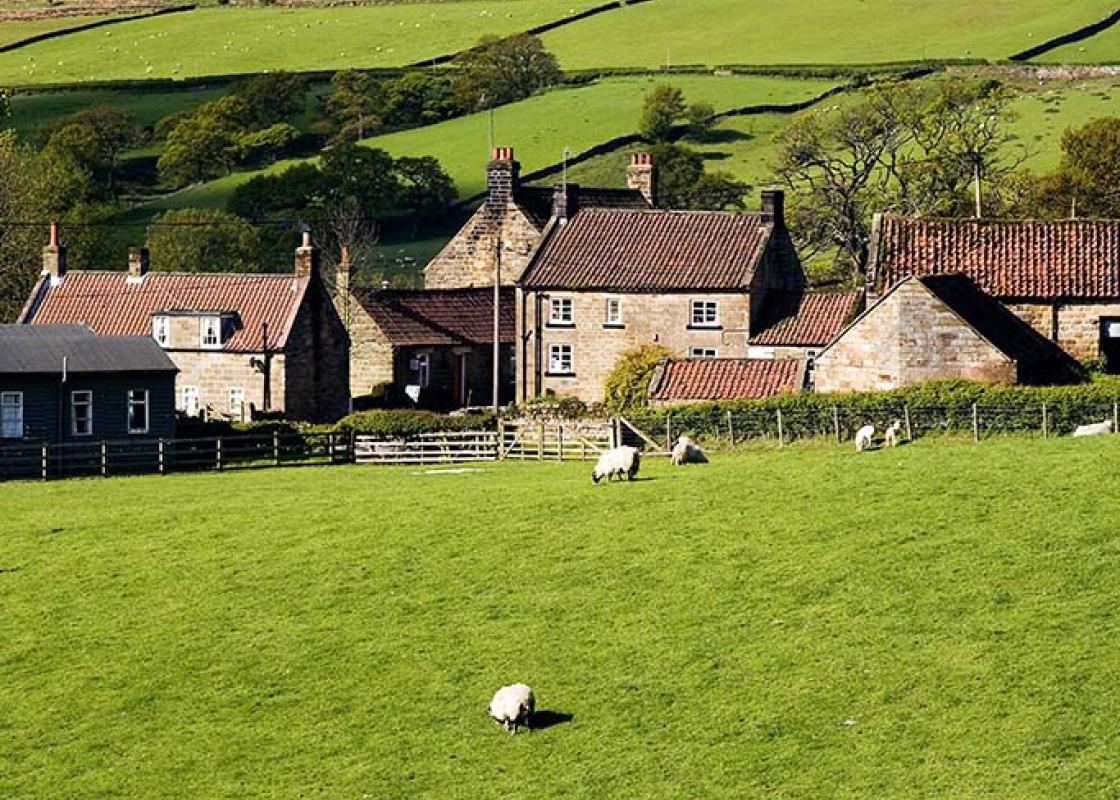
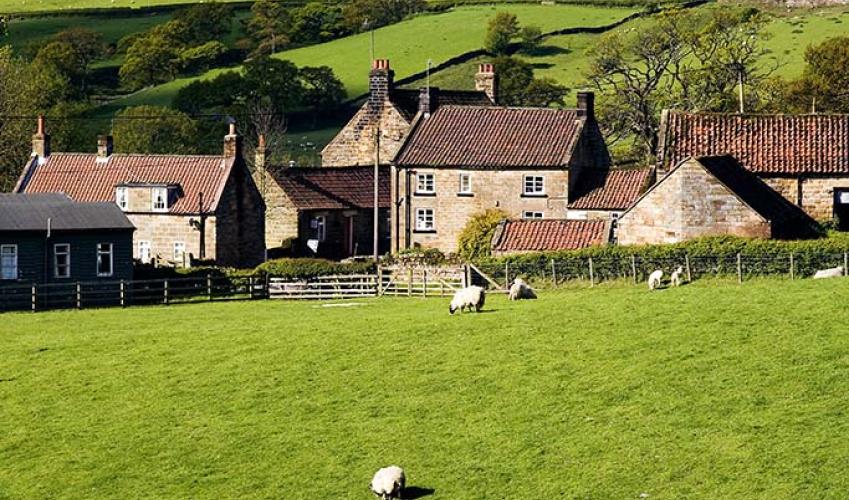
When the riverside path approaches Newton Kyme, the Ebor Way turns left, away from the river and around the boundary of Newton Kyme Hall, to reach a road. On the way there are good views of both the church and Newton Kyme Hall. Turn left down the road, passing pretty stone cottages and, further on, the former tithe barn.

Been on this walk?
Send us photos or a comment about this route. Or recommend a route of your own.

Walking in Safety
Read our tips to look after yourself and the environment when following this walk.
Get an AA guide
Explore our range of ‘50 Walks in’ guides - they’re the ideal companion for a ramble.
Been on this walk?
Send us photos or a comment about this route. Or recommend a route of your own.
Walking in Safety
Read our tips to look after yourself and the environment when following this walk.
Get an AA guide
Explore our range of ‘50 Walks in’ guides - they’re the ideal companion for a ramble.
Nearby places to stay
View all (8)
- Family rooms: 33
- Free TV
- WiFi available
- Lift available