Discover the Isles of Scilly
Exploring the Isles of Scilly
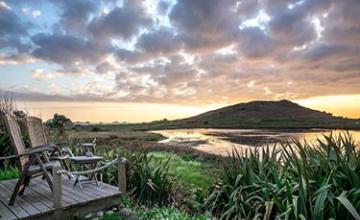
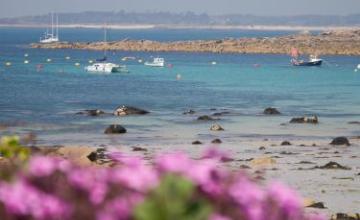
The Isles of Scilly, famously known as the ‘Fortunate Islands’ or the ‘Sunshine Islands’, are an enchanting archipelago off the Cornish coast, made up of five inhabited islands - St. Mary's, Tresco, St. Martin's, Bryher and St. Agnes, plus countless uninhabited ones to explore. The ancient islands are covered in heathland and offer a rare combination of seascapes, golden beaches, such as Great Bay on St. Martin’s, and crystal-clear sea with quiet green corners inland.
Attractive Tresco lies at the sheltered heart of the islands with the exquisite subtropical gardens surrounding Tresco Abbey House, a must-see for visitors. The scant ruins of a priory to St Nicholas are now incorporated into the Abbey Gardens, where examples of Burmese Honeysuckle, Australian Scarlet Bottle-brush, gigantic ice plants, Aloes, Dracaenas, Mimosa, and a host of other exotics line the terraced pathways.
Choose an Isles of Scilly location to search for a rated stay
All accommodation on RatedTrips.com is rated for quality by either the AA or VisitEngland.
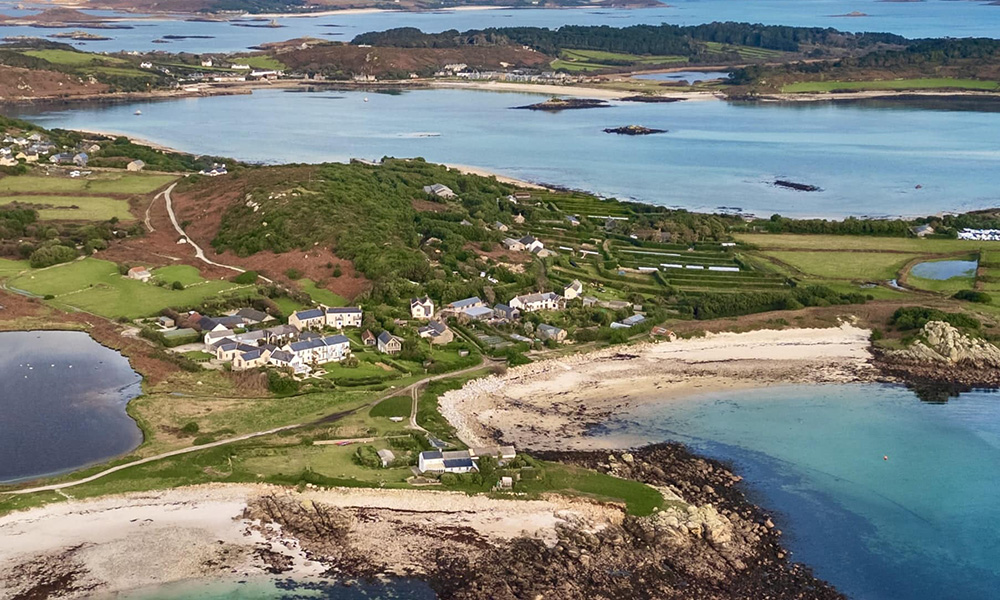
Bryher
Bryher is the second smallest of the inhabited Isles of Scilly, coming in at 1.34 sq km with a population of about 200. Archaeology has shown that the island has been lived on or been used by people since at least the Iron Age. A couple of thousand years ago all the islands were bigger, and some were connected, so it may have been more densely populated than now. Whatever the history, the island is ruggedly beautiful and full of untouched natural scenery and wildlife. Well worth the boat trip.
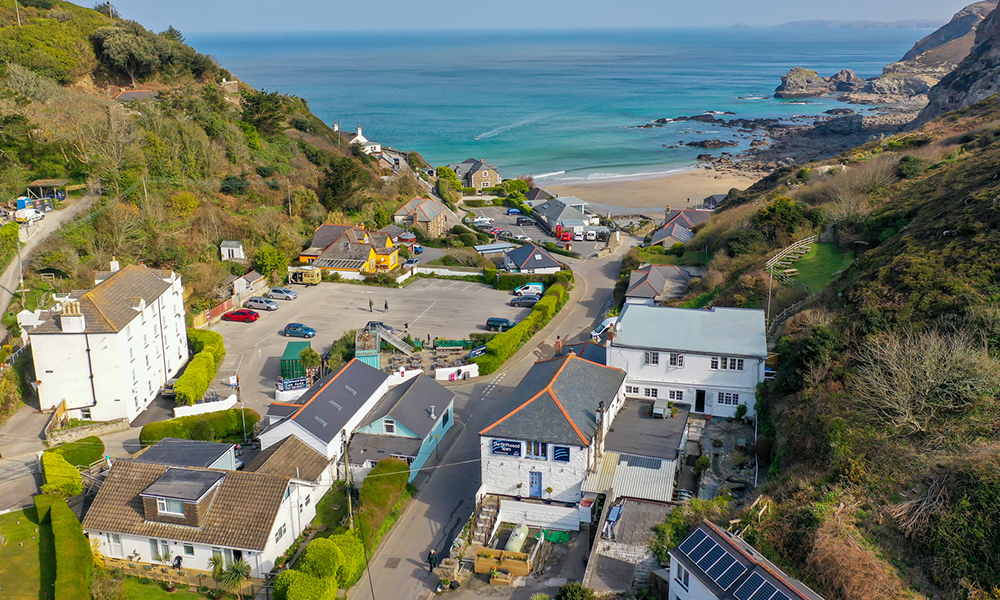
St Agnes
St Agnes is the smallest and southernmost of the inhabited isles and is home to around a hundred people. It's attached by a sandbar to a very small island called Gugh where about three people reside. Expect dramatic coastal scenery, clear waters, and abundant wildlife, especially birds. The island has a rich maritime history and is home to a well-known lighthouse, built in 1680 and decommissioned in 1911. You can also find a single pub, The Turk's Head, and an ancient labyrinth made of laid-out pebbles.
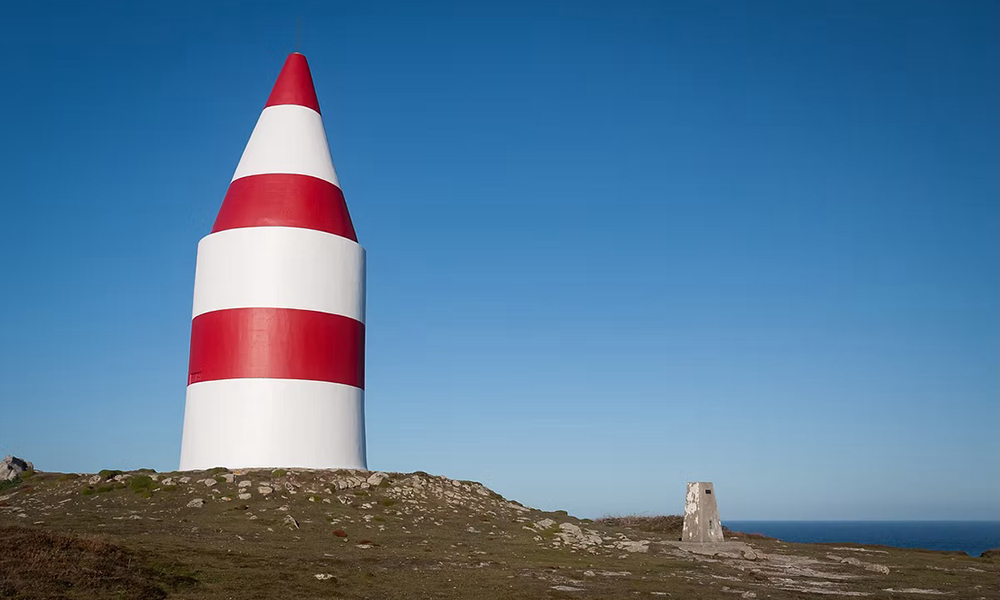
St Martin's
St Martin's is the northernmost inhabited Scilly Isle, home to around 150 souls. The parish includes a number of uninhabited islands and rocks, including the Eastern Isles, Great Ganilly, English Island and White Island. There's a community observatory on the island, which is a good idea as this is very much a 'Dark Sky' kind of area. It's also a Site of Special Scientific Interest (SSSI) kind of place. Four regions of the island a so designated, which means you are sure to see plenty of wildlife. Now in its 30th year there is even a vineyard, St Martin's Vineyard & Winery, near Higher Town Bay.
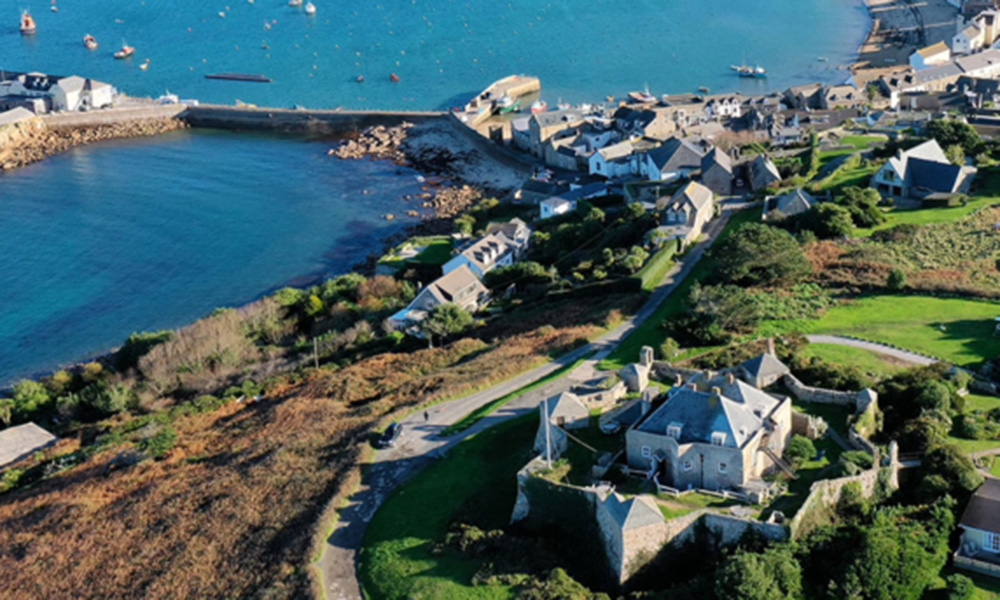
St Mary's
The largest and most populated island of the range, St Mary's has around 2,000 residents. It's where most visitors will start from as it has its own airport and ferry services. Hugh Town is the largest settlement on the Scilly Isles and is quite unusual in its layout. At one point it is only a few streets wide and has beaches on both sides. The island is very walkable and great for fans of natural landscapes and wildlife. The many beaches offer opportunities for sailing, kayaking, and paddleboarding or just lounging on the beach. There are plenty of cafes, bars and restaurants, which play perfectly into St Mary's relaxed pace of living.
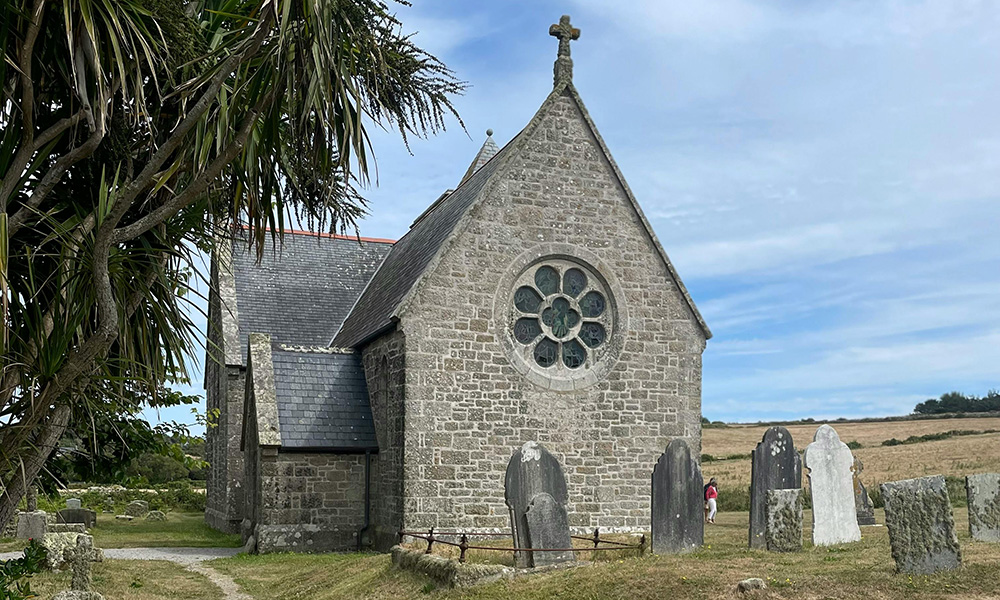
Tresco
The second largest island, Tresco is a bit different to the other islands. It is essentially a tourist resort, and has been owned and run by the Dorrien-Smith family and their ancestors since the mid-19th century. Augustus Smith transformed Tresco into a private estate, introducing subtropical planting and building the famous Abbey Garden on the ruins of a Benedictine priory. The island also bears traces of earlier settlements, including Cromwell’s Castle, built during the Civil War. Tresco is ideal for visitors who want a complete escape from everyday life.