Steinacleit
Recommended by

 Our view
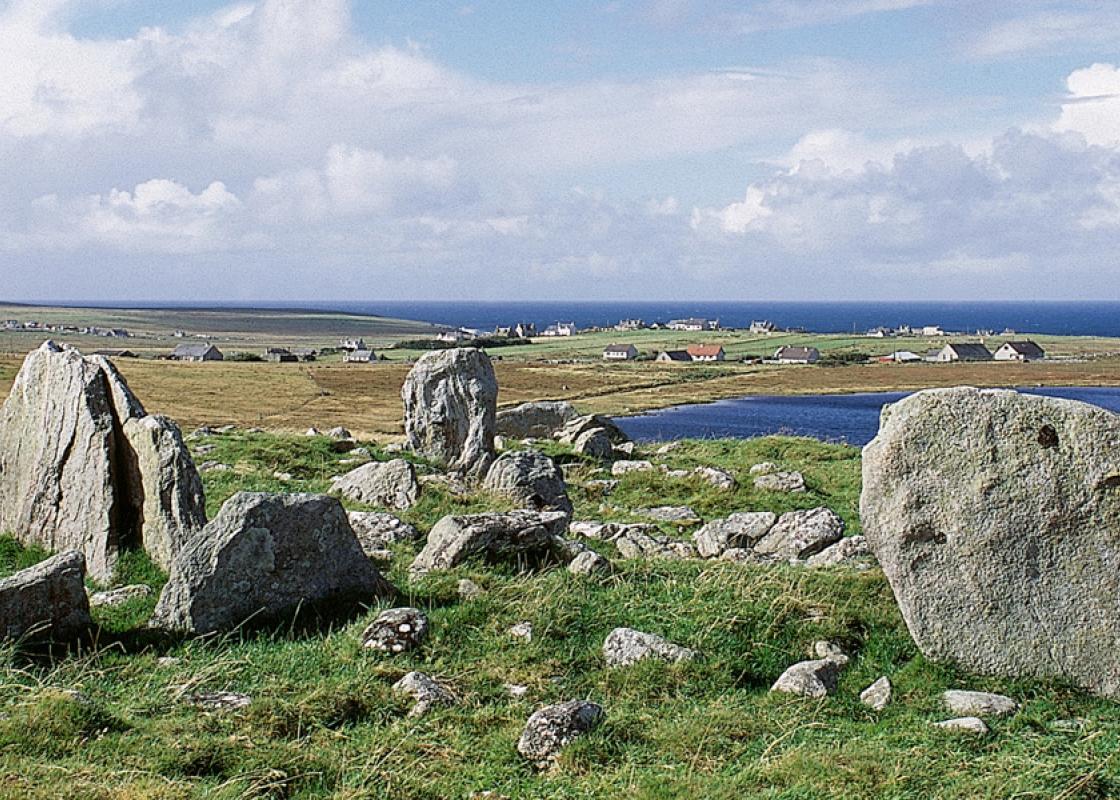
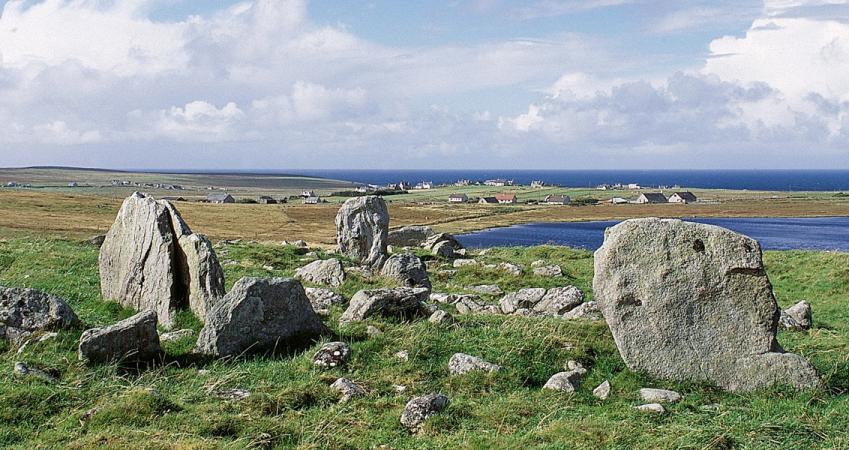
"A group of standing stones in a beautiful landscape."
Overview
Like most standing stones, the origin and purpose of Steinacleit is disputed. It was discovered during peat cutting in the 1920s; around a metre covered the stones. It's an oval enclosure, around a stony mound. It’s never been archaeologically investigated, so it's not certain what purpose it originally served. The main theories are that it's a chambered cairn from around 2000 BCE or the house and yard of an early farmer, from the same period. Either way, it's a fascinating site in beautiful scenery.
About the area
The Outer Hebrides lay to the west of Scotland’s north coast. To the north lie Lewis and Harris, geographically one island, with Lewis, the most densely populated region of the Outer Hebrides, and Harris far more mountainous.
Nearby places to stay
View all (7)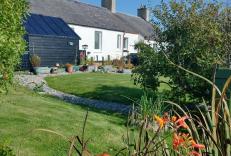





Nearby places to stay
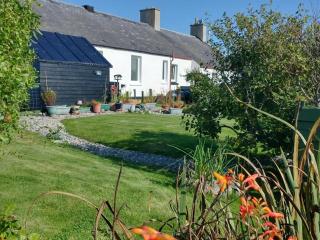
Snowberry Cottage
Overlooking the edge of the machair towards the Atlantic, Snowberry Cottage, a compact and peaceful little cottage, has a simply stunning wild outlook; well worth the journey. Two bedro...
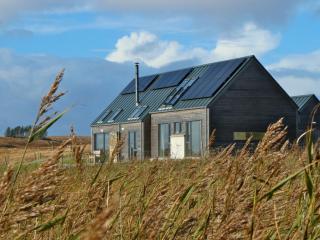
The Lewis Longhouse
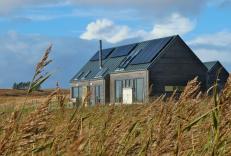
The Lewis Longhouse is a modern, 2-storey house located on an old family croft in Coll, just outside Stornoway. This 'home from home' was built in 2012 and offers luxury self-catering a...
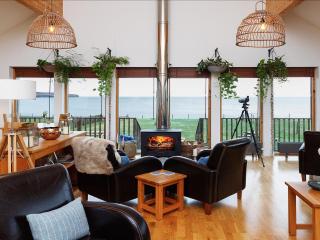
Broad Bay House
Broad Bay House is owned and run by Sue and Tom, who share a passion for traveling and exploring. Service, simplicity and style are at their core; when you book a stay here, you’re guar...
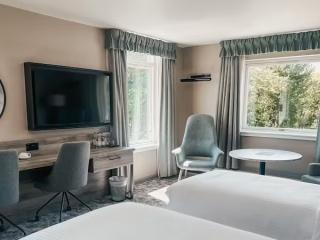
Cabarfeidh Hotel
A modern hotel sitting slightly away from the town centre but immediately opposite the castle entrance. It offers smart, contemporary accommodation. Bedrooms are comfortably appointed a...
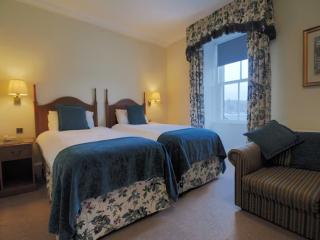
The Royal Hotel
The Royal has a great deal of history in the town and sits quayside in Stornoway with views over to Lews Castle. Guests here can expect to enjoy relaxed Hebridean hospitality and tradit...
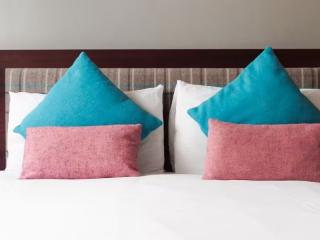
Caladh Inn
The Caladh Inn is set in the centre of Stornoway, handy for airport and ferry links as well as the town centre. Accommodation comes in a broad range of sizes and configurations but all ...
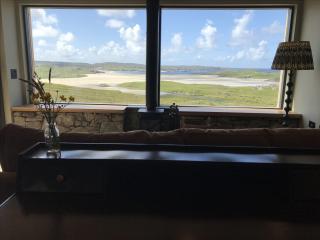
Uig Sands
Uig Sands Restaurant is located on the West coast of the Isle of Lewis, with breath-taking views over Uig Bay and beyond. The four luxury rooms sit in a single-storey block between Uig ...