Brontë Parsonage Museum
Assessed by

 Assessor comments
"An intriguing museum on the lives and works of the Brontës"
Overview
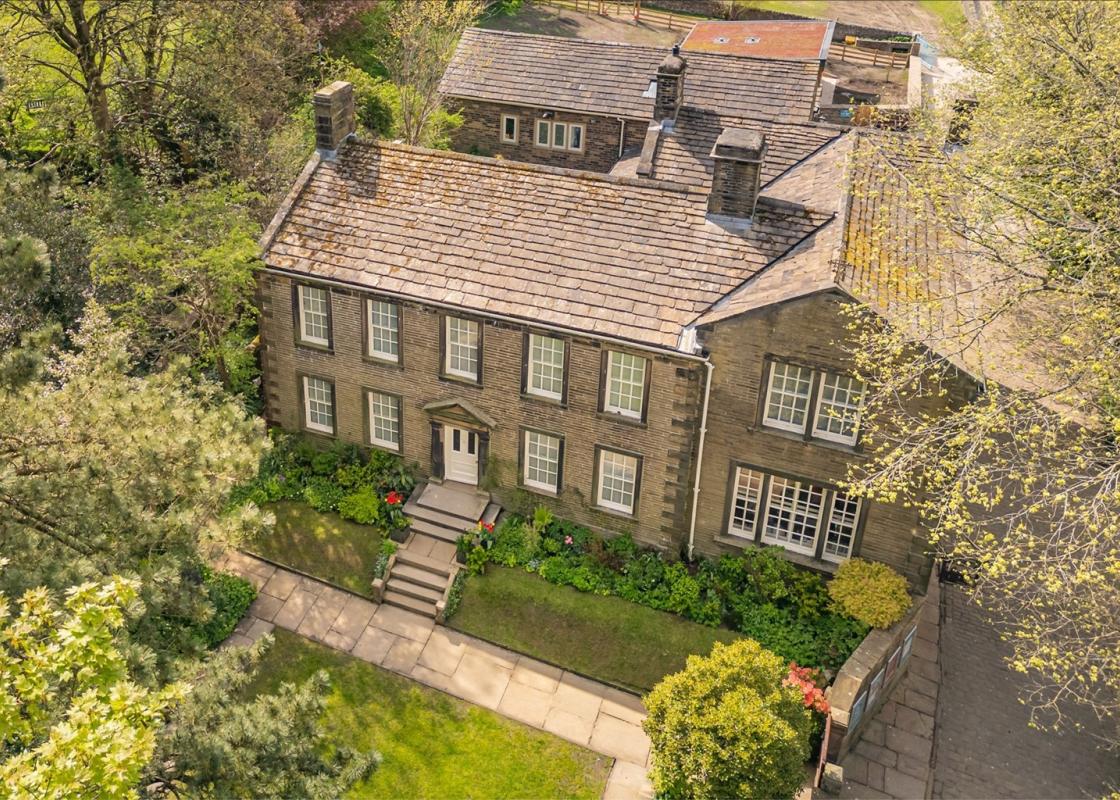
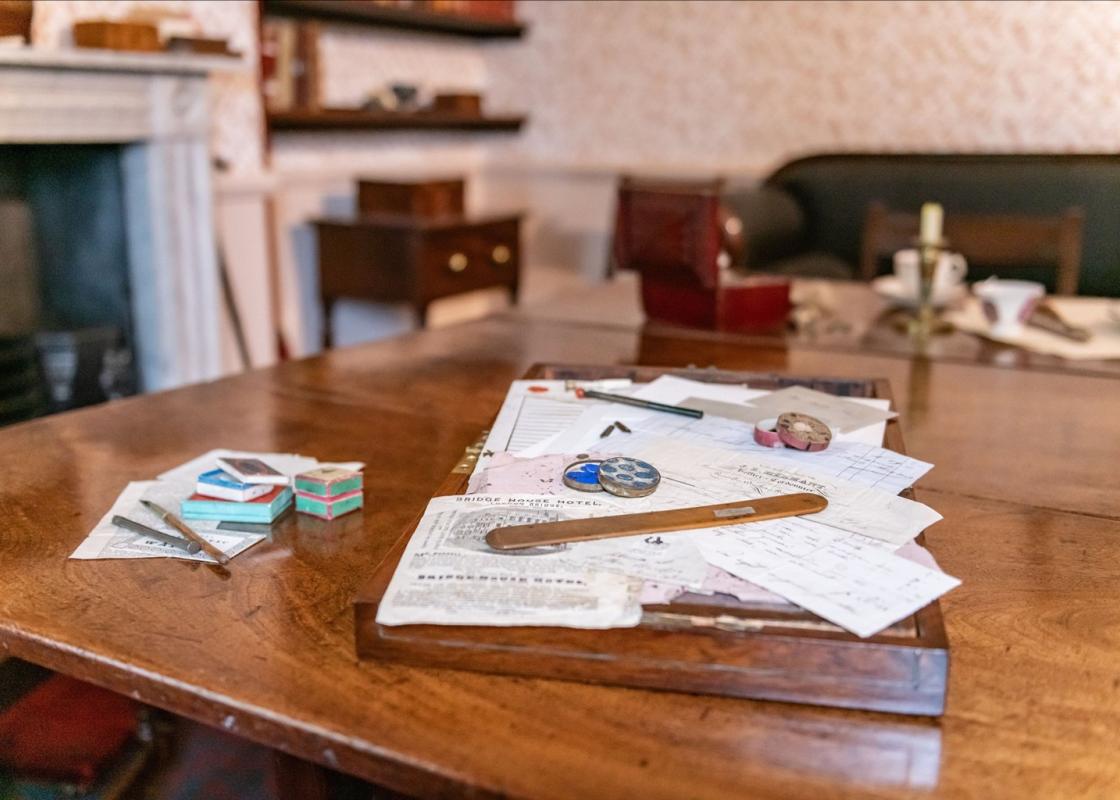
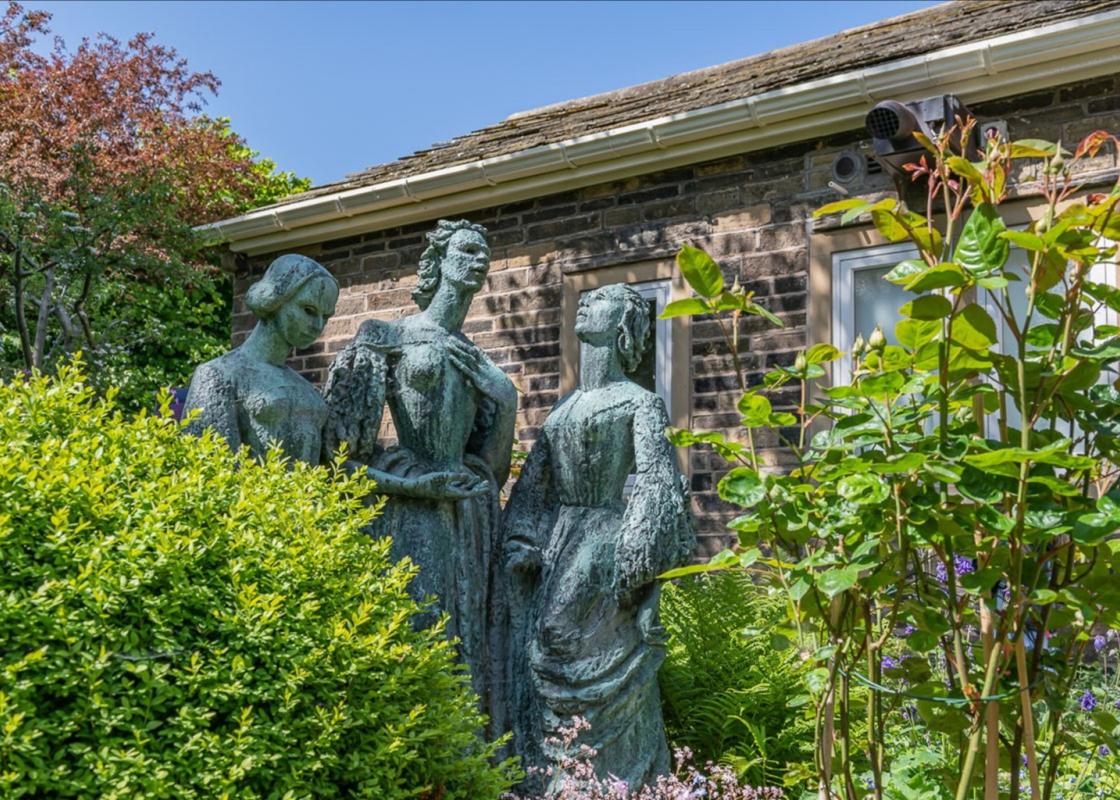
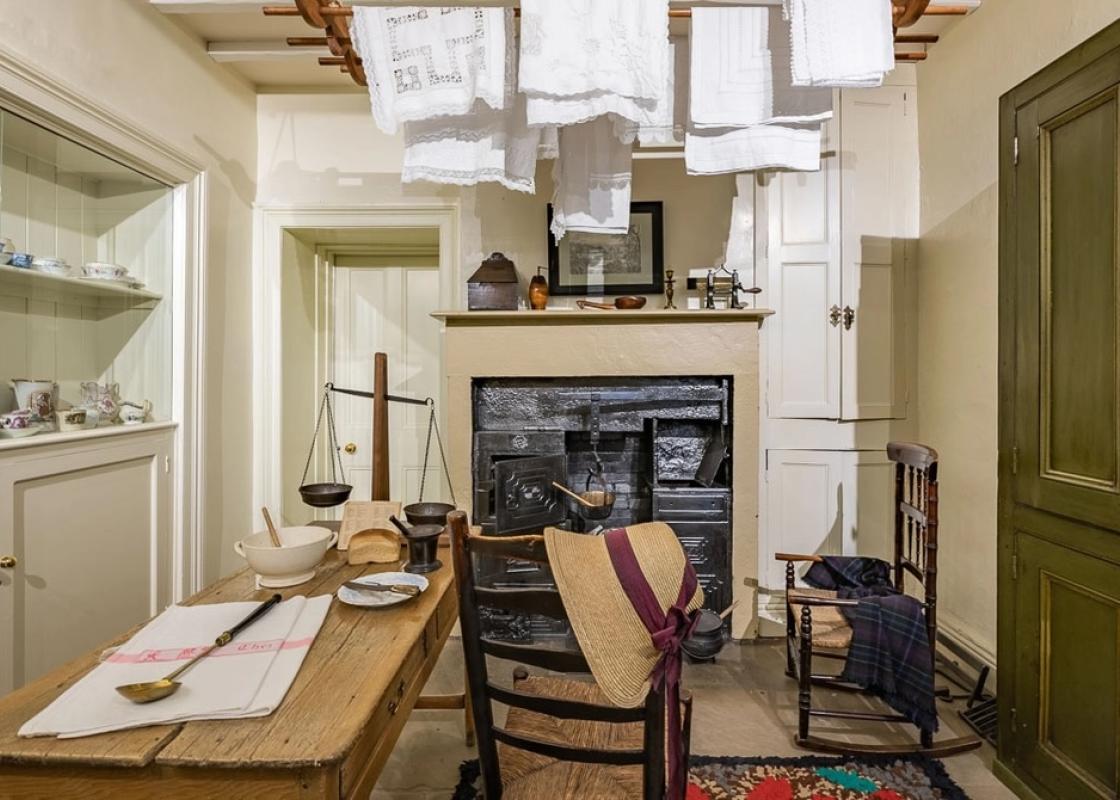
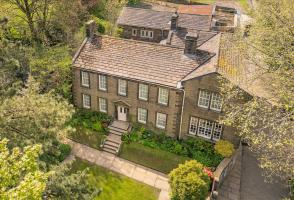
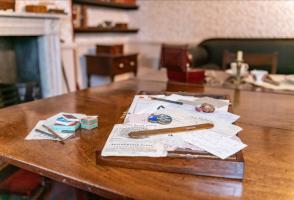
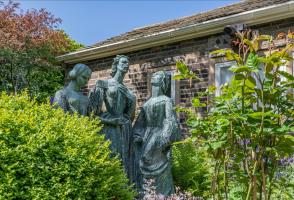
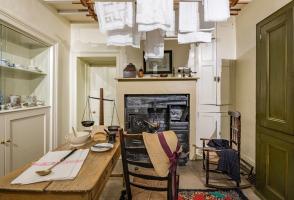
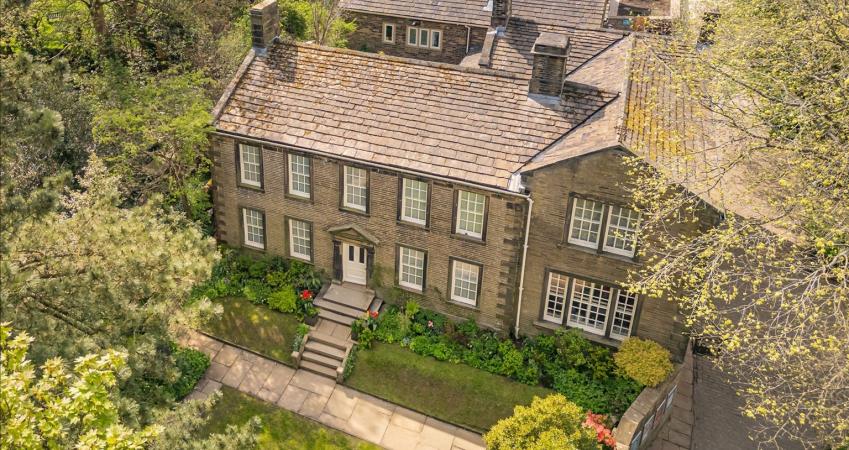
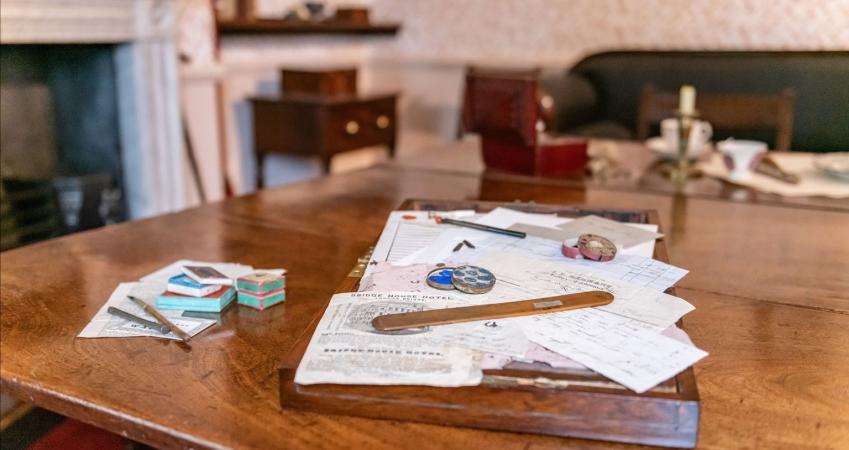
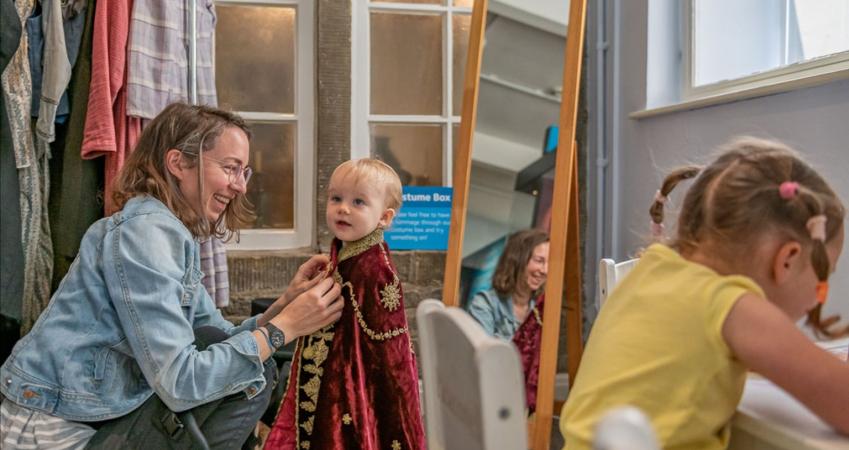
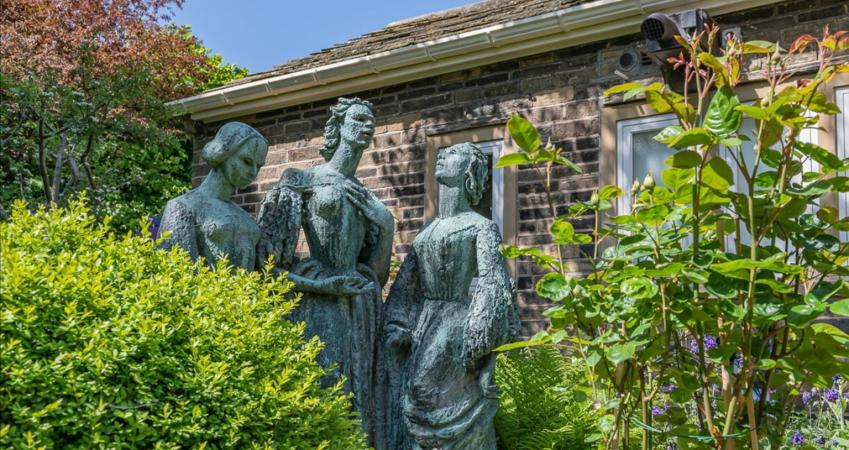
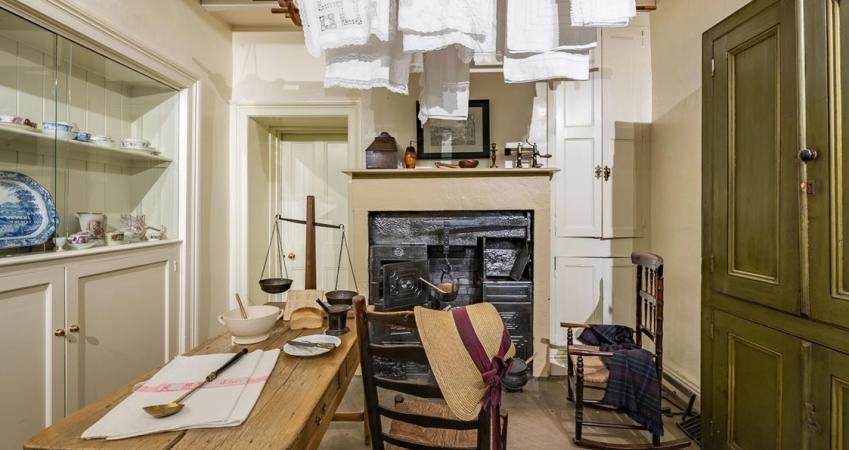
Set in the picturesque village of Haworth on the outskirts of Bradford, Haworth Parsonage was the home of the Brontë family from 1820 to 1861. This is the place where Charlotte Brontë wrote Jane Eyre, Emily Brontë wrote Wuthering Heights and Anne Brontë wrote The Tenant of Wildfell Hall. Today it houses the world’s largest collection of Brontë items and offers an inspirational and evocative experience for people of all ages. Items on display in the intimate historic rooms include letters, notebooks and household artefacts. Highlights include Emily’s paint box, Charlotte’s sewing box, pebbles collected by Anne, a comb used by Emily and the table where the sisters wrote their world-famous novels.
Ratings & awards

VisitEngland Quality Assessed
Features
- Children
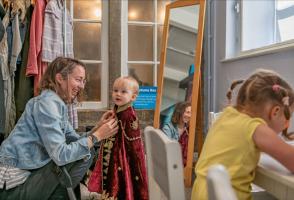
- Suitable for children of all ages
- Facilities
- Parking nearby
- Opening Times
- Opening Times: From February 4 the Museum and shop will be open Wednesday - Monday, 10am - 5pm. Entry is not timed. The Museum opens at 10am and last entry is 4pm.
Key accessibility features
-
Wheelchair-accessible toilet in public areas
A designated accessible toilet designed for wheelchair users, and others with visible and non-visible accessibility requirements, is available within the main public areas. -
Changing Places toilet
There is a Changing Places toilet, which includes an adult size changing bench, toilet, sink and hoist.
About the area
Everybody knows that Yorkshire has some special landscapes. The Dales and the Moors first spring to mind, but what about West Yorkshire? That’s Leeds and Bradford isn’t it? Back-to-back houses and blackened mills… Certainly if you had stood on any of the hills surrounding Hebden Bridge a hundred years ago, and gazed down into the valley, all you would have seen was the pall of smoke issuing from the chimneys of 33 textile mills.

Places to eat nearby View all

Nearby places to stay
View all (8)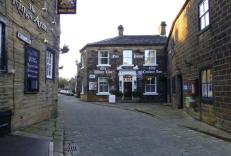

Nearby places to stay
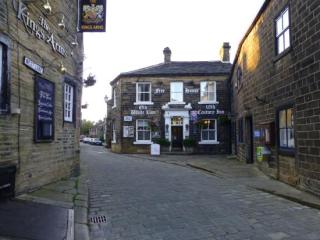
Old White Lion Hotel
Old White Lion Hotel is a 300-year-old coaching inn with 14 well-equipped en-suite rooms. Family-run, the hotel on Haworth’s cobbled main street is close to the Bronte Parsonage Museum ...
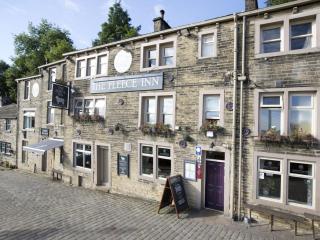
The Fleece Inn
Most tourists visit Haworth for the Brontë Sisters. Now a museum, The Parsonage, where they lived, is further up the cobbled hill from the cosy guest rooms of The Fleece Inn. Some visit...
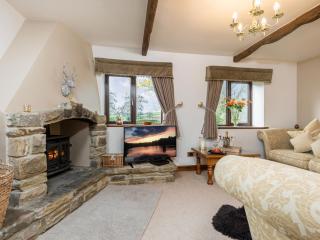
Higher Scholes Cottage
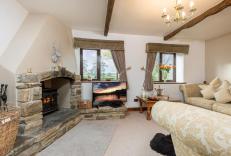
Higher Scoles Cottage is set in the heart of Brontë Country and commands stunning views of the romantic moors. This luxury cottage is the perfect place to find some peace and quiet, wit...
Higher Scholes Cottage
Higher Scoles Cottage is set in the heart of Brontë Country and commands stunning views of the romantic moors. This luxury cottage is the perfect place to find some peace and quiet, wit...
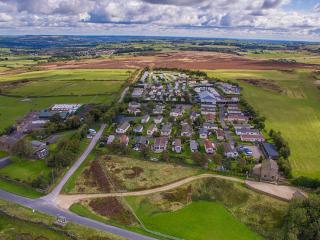
Upwood Holiday Park
With panoramas of the surrounding moors and the Aire Valley, Upwood Holiday Park’s accommodation portfolio even includes Mongolian yurts. In the clubhouse is the Upwood Inn, with pool t...
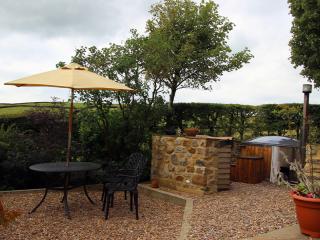
Shawclough Barn
High on the Lancashire and Yorkshire border, Shawclough Barn boasts breathtaking views from one of the highest hills in Pendle. Well-positioned for day trips to the Yorkshire Dales and ...
Shawclough Barn
High on the Lancashire and Yorkshire border, Shawclough Barn boasts breathtaking views from one of the highest hills in Pendle. Well-positioned for day trips to the Yorkshire Dales and ...
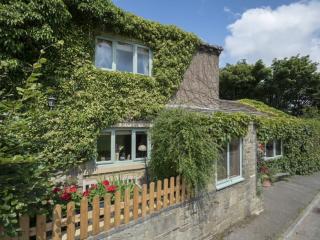
Ploughcroft Cottage
At 1000ft above sea level, Ploughcroft Cottage is in a unique position set in a rural vista only five minutes’ drive from Halifax town centre. Off-road parking is available as well as a...