Golitha Falls National Nature Reserve
Recommended by


Overview
Golitha Falls NNR lies in the steep-sided, wooded valley of the River Fowey, which flows through it in a series of spectacular cascades which drop nearly 300ft. It’s one of Cornwall’s richest valleys for mosses and lichens, with more than 120 species recorded. Wildflowers that flourish in the ancient oak woodlands include bluebells and wood anemone, while the meadows are home to bugle, self-heal, white clover, common tormentil and valerian. The reserve is also home to the shy dormouse, which lives in the ancient hazel coppice, and noctule, brown long-eared and lesser horseshoe bats have also been recorded. The river supports healthy populations of both salmon and sea trout, and otters are often seen exploring the falls. The reserve supports 83 species of moth, including the notable double lines. Butterflies include the meadow brown, marbled white, green veined white, gatekeeper, small skipper, ringlet, speckled wood and silver-washed fritillary.
About the area
Cornwall has just about everything – wild moorland landscapes, glorious river valley scenery, picturesque villages and miles of breathtaking coastline. Known for its popular surfing spots, the region provides ample opportunities for water sport enthusiasts, and for those who prefer to stay on land, visitor attractions like the Eden Project and the Lost Gardens of Heligan offer a lovely day out.

Places to eat nearby View all



Nearby places to stay
View all (8)
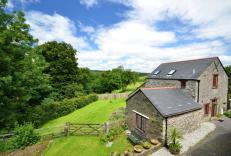
Nearby places to stay
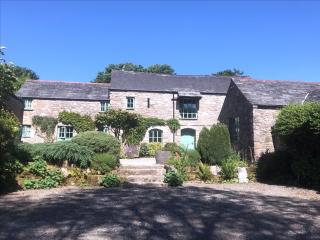
Badgers Sett Holiday Cottages
Badgers Sett are ideal cottages offering a relaxed break in a tranquil location within easy reach of Cornwall's popular attractions. All cottages have wood burners and light, well-equip...
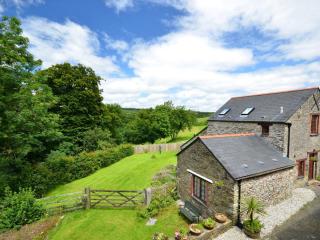
Cider Cottage
Lovely converted cider barn in tranquil countryside, yet conveniently only 1 mile from Liskeard town centre. High quality accommodation offering 3 spacious bedrooms, one with king size ...
Cider Cottage
Lovely converted cider barn in tranquil countryside, yet conveniently only 1 mile from Liskeard town centre. High quality accommodation offering 3 spacious bedrooms, one with king size ...
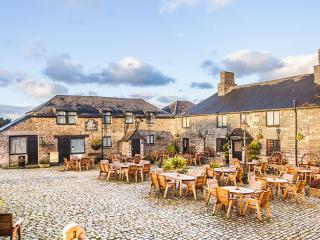
Jamaica Inn
The world-famous Jamaica Inn has a storied history that dates back to 1750, where it was built as a place of refuge for those travelling between Launceston and Bodmin. It is also infamo...
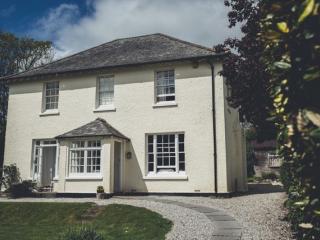
The Green Cornwall
Although the Green Cornwall is primarily a wedding venue, it's still a great place to stay if you're not getting hitched. On the 20 acre grounds, there are five cottages, sleeping betwe...
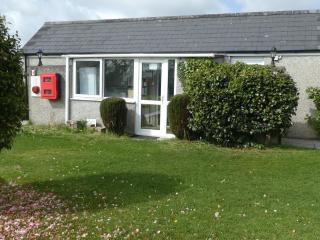
Gwel-an-Nans Farm
Gwel-an-Nans is a rural family-run site on a farm on the edge of Bodmin Moor with a playing field, nature trail and animals to feed. Cardinham Woods can be accessed via walking, cycling...
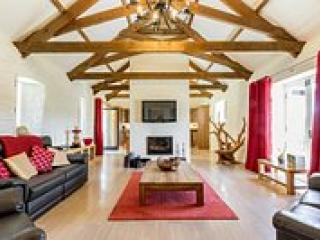
Hob Nob Cottage
Hob Nob used to house an old cider press, and its impressive first-floor living area with high vaulted ceilings and views of the countryside should make your group holiday extra special...
Old Lanwarnick
Old Lanwarnick comprises 5 luxury converted barns and the Old Farmhouse. It's set in over 30 acres of its own ancient pasture and woodland, surrounded by stunning views of unspoilt Corn...