Hardknott Roman Fort
Recommended by


Overview
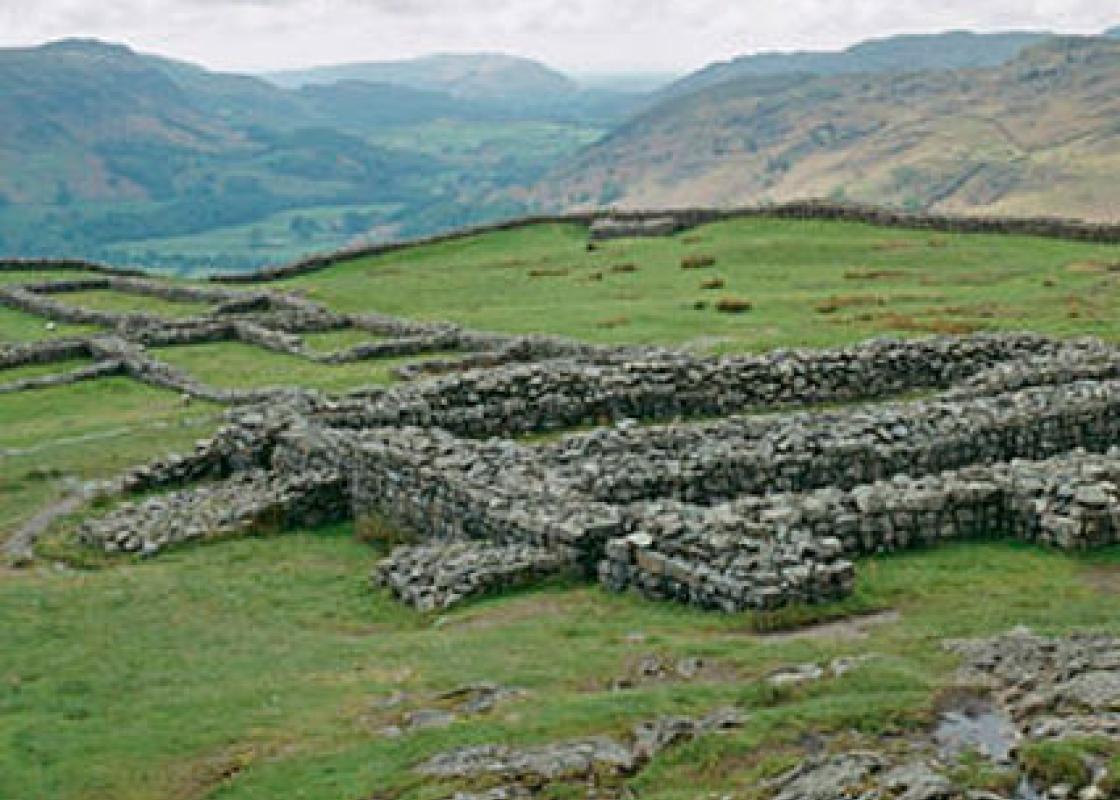
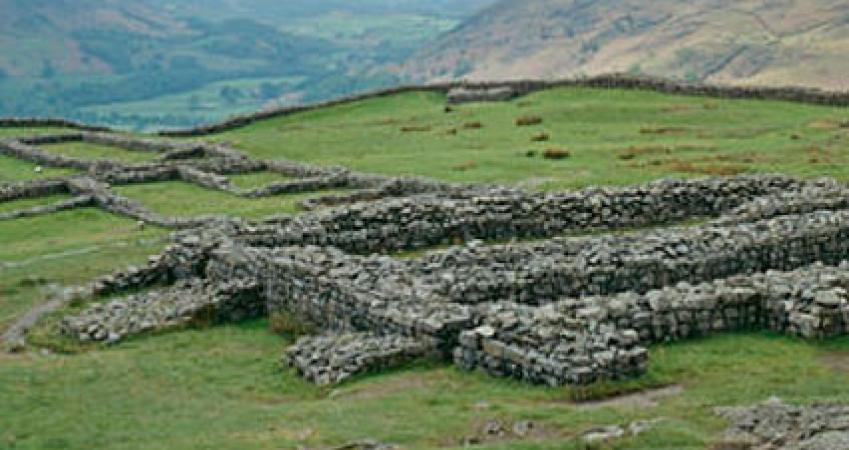
To get to the Hardknott Roman Fort you have to drive up Hardknott Pass, which rises 1,000 feet out of Eskdale in little more than a mile. It is one of the most spectacular roads in the country with hairpin bends as steep as 1-in-3. If the road is icy, or you are towing a caravan, don’t even consider this road! For cars, it is a scary drive, if you are not used to narrow, winding, hill roads; but most problems arise at peak holiday times. So take it slowly, carefully and use your gears – the views and the experience are well worth the effort. When you gaze down from the remains of the fort at the western end of the Hardknott Pass (1,291 feet) it’s easy to see why the Romans chose this site. Hardknott Castle Roman Fort enjoys a commanding position down into the green valley of Eskdale. Attacks from three sides were impossible and a trench prevented attacks from the east. Soldiers were garrisoned here to safeguard the road they had constructed to link the fort at Ambleside and the port of Ravenglass. Preferring to take the most direct route, they drove their road over the most difficult terrain in the Lake District, through the Hardknott and Wrynose passes. Despite the wonderful views, the Roman soldiers must have regarded isolated, windswept Mediobogdum as an unglamorous posting. The ruins, however, are still impressive. The soldiers drilled on a flat parade ground near by. The bath house would have been one of their few home comforts.
Features
- Opening Times
- Open all year
- Opening Times: Open at any reasonable time during daylight hours
About the area
Cumbria's rugged yet beautiful landscape is best known for the Lake District National Park that sits within its boundaries. It’s famous for Lake Windermere, England’s largest lake, and Derwent Water, ‘Queen of the English Lakes', but other lesser-known areas in the south, such as the Lune Valley and the coastal towns, are secret gems of wide cobbled streets and rolling hills.
Places to eat nearby View all
Nearby places to stay
View all (8)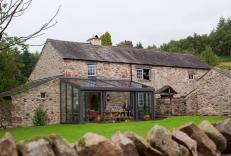


Nearby places to stay
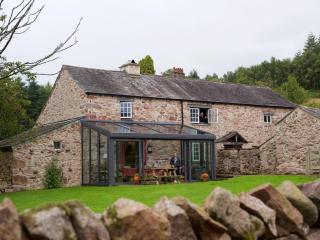
Church House
Church House is a beautifully renovated Lakeland farmhouse in a stunning location by the church and River Esk. Reached via the single track lane, the house is set in two acres of garden...
Church House
Church House is a beautifully renovated Lakeland farmhouse in a stunning location by the church and River Esk. Reached via the single track lane, the house is set in two acres of garden...
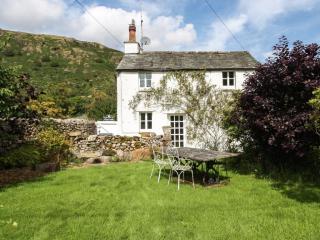
Lane End
The hamlet of Boot nestles in the Eskdale valley, one of the more tranquil valleys of the Lake District. Lane End holiday cottage is a rare find, a true gentleman's residence superbly d...
Lane End
The hamlet of Boot nestles in the Eskdale valley, one of the more tranquil valleys of the Lake District. Lane End holiday cottage is a rare find, a true gentleman's residence superbly d...
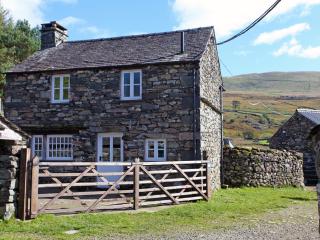
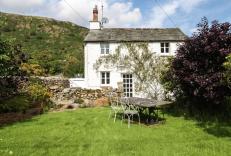
Tarn Foot Cottage
A traditional Lakeland farm cottage.Dating back to the 1700s, this quaint cottage is located in the heart of the idyllic & scenic Duddon Valley amongst crags & streams. This cosy cottag...
Tarn Foot Cottage
A traditional Lakeland farm cottage.Dating back to the 1700s, this quaint cottage is located in the heart of the idyllic & scenic Duddon Valley amongst crags & streams. This cosy cottag...
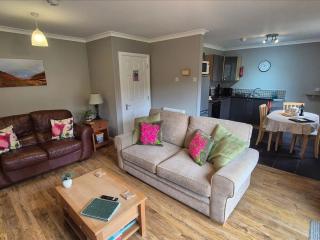
Oak Chalet
Awaiting description...
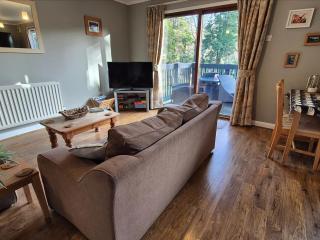
Maple Chalet
Awaiting description...