RSPB Isley Marsh
Recommended by


Overview
Isley Marsh is made up of saltmarsh and intertidal mudflats on the southern edge of the Taw Torridge estuary and lies largely within the estuary SSSI (Site of Special Scientific Interest). As it is largely underwater at high tide, no management is carried out and no birds breed. However, it is an important haven in the busy estuary for undisturbed feeding and resting birds, especially the wintering flocks of ducks (such as teal) and waders (including significant numbers of curlew, greenshank and dunlin). In recent years, numbers of little egret have increased and, in winter, it is often possible to see spoonbills. An active group of local volunteer wardens monitor the birds and try to keep disturbance to a minimum. Visitor access is restricted to public footpaths, largely outside the reserve itself, but allowing expansive views across the estuary and the surrounding farmland. There is no public parking within two miles, although the Tarka Trail runs along the south side of the reserve, allowing easy foot and cycle access along this former railway track.
About the area
Devon sums up all that is best about the British landscape, with its magnificent coastlines, two historic cities, the world-famous Dartmoor National Park and south Devon’s glorious English Riviera. A fashionable and much-loved holiday destination, hiking and cycling in the National Parks is extremely popular among visitors, with a great choice of off-road routes.
Places to eat nearby View all


Nearby places to stay
View all (8)


Holiday Park
Lobb Fields Caravan and Camping Park
- Launderette
- Ice pack facility
- Wifi available
- Calor Gas


Nearby places to stay
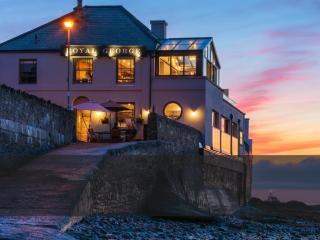
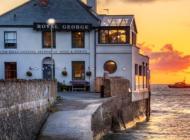
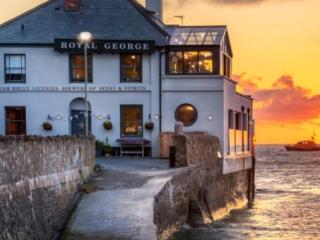
The Royal George
With a delightful location overlooking the Taw and Torridge Estuary, The Royal George is family-run Inn that offers guests a relaxing and comfortable stay whatever the season. The well-...
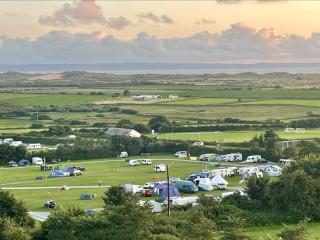
Lobb Fields Caravan and Camping Park
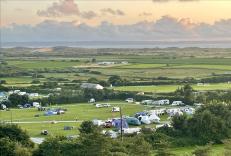
Located between Braunton and the miles of golden sands at Saunton, Lobb Fields Caravan and Camping Park, a bright, tree-lined park with gently-sloping grass pitches, is a dog-friendly s...

The Barnstaple Hotel
The Barnstaple hotel enjoys a convenient location on the edge of town. Bedrooms are spacious and well equipped, and many have access to a balcony overlooking the outdoor pool and garden...
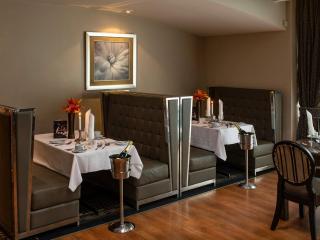
Durrant House Hotel
This large hotel offers bedrooms with Italian-marble bathrooms, and all include a hospitality tray, hairdryer, TV, clock radio and an iron with ironing board; superior rooms have wonder...
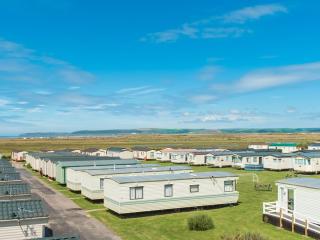
Surf Bay Holiday Park
Surf Bay is ideally situated in Westward Ho! with its own access to the Burrows, Pebble Ridge and the fantastic 'Golden Bay' beach....
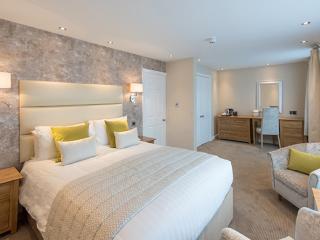
The Royal & Fortescue Hotel
Formerly a coaching inn, the Royal & Fortescue Hotel is friendly and convivial, conveniently located in the centre of town. Bedrooms vary in size and all are decorated and furnished to ...
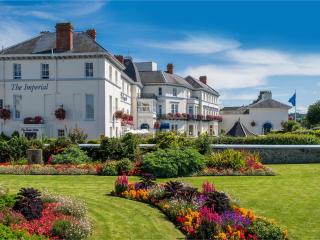
The Imperial Hotel
Very much a Barnstaple landmark, this dignified hotel offers a genuine and warm welcome with a committed team of engaging and helpful staff. There is a friendly and hospitable atmospher...
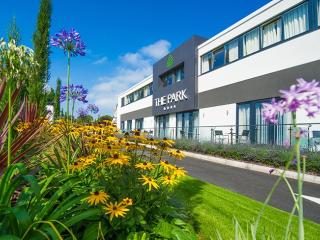
The Park Hotel
Enjoy lovely views across the park and within easy walking distance of the town centre, The Park Hotel offers stylish, contemporary accommodation with a warm and friendly team of staff....