Black-a-Tor Copse National Nature Reserve
Recommended by


Overview
Black-a-Tor Copse NNR, above the valley of the West Okement River, is an area of oak woodland, granite clitter (loose rocks) and moorland 1,200ft above sea level. It is one of only three examples of Devon’s high altitude oak woodlands, and one of the best in Britain for its nationally important rare lichens and mosses that wreathe the trees and rocks. Twenty species of breeding birds have been recorded in the woodland and surrounding habitat, including summer visitors such as the ring ouzel and redstart. The woodland is lightly grazed by the cattle, sheep and ponies that live on the open moorland, and they help sustain the open character and abundant lichens and mosses of the woodland. The moorland is also periodically burnt in an ancient practice known as ‘swaling’. This provides patches of more palatable grass for livestock in spring and reduces the spread of gorse and young trees.
About the area
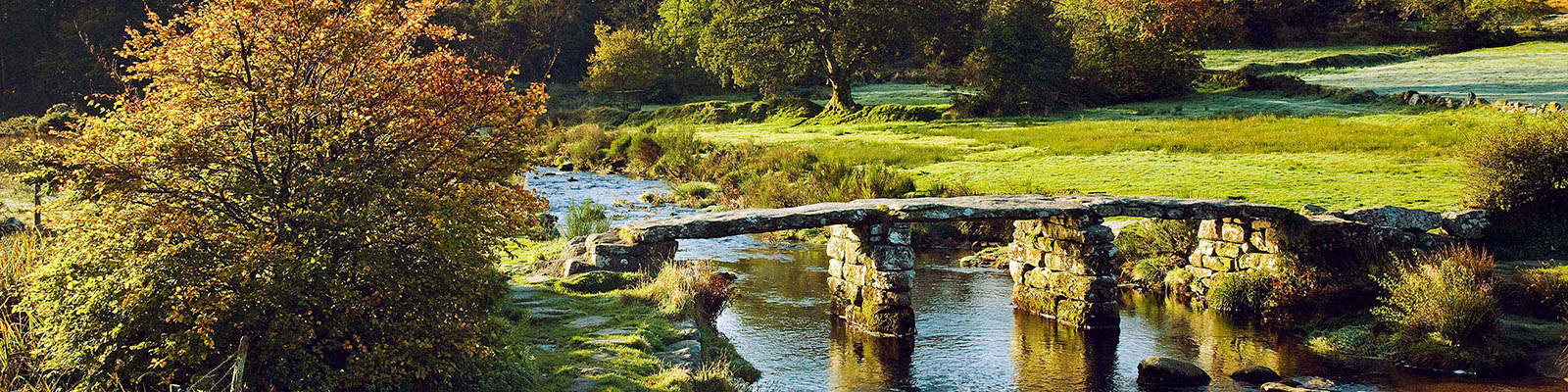
Devon sums up all that is best about the British landscape, with its magnificent coastlines, two historic cities, the world-famous Dartmoor National Park and south Devon’s glorious English Riviera. A fashionable and much-loved holiday destination, hiking and cycling in the National Parks is extremely popular among visitors, with a great choice of off-road routes.
Places to eat nearby View all




Nearby places to stay
View all (8)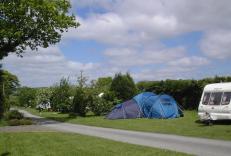







Nearby places to stay
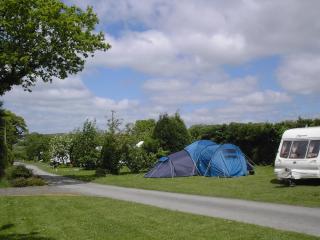
Bridestowe Caravan Park
A small, well-established park in a rural setting close to Dartmoor National Park. This mainly static park has a small, peaceful touring space, and there are many activities to enjoy in...
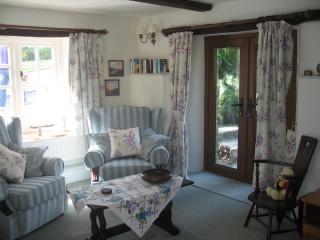
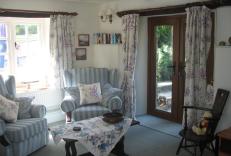
Peartree Cottage
Peartree cottage adjoins owner’s property, standing in two acres in rural position, excellent central location for exploring Dartmoor and the stunning landscape and coastlines of the S...
Peartree Cottage
Peartree cottage adjoins owner’s property, standing in two acres in rural position, excellent central location for exploring Dartmoor and the stunning landscape and coastlines of the S...
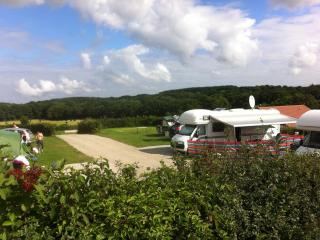
Appledore Park
Appledore Touring Park is located north of Dartmoor with easy access to the A30. It is a quiet and friendly award-winning park that covers eight acres and has 40 pitches with wonderful ...
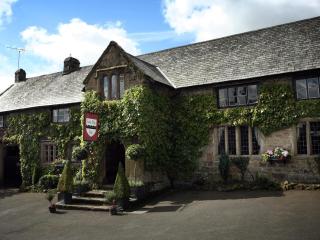
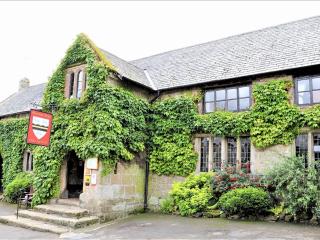
The Oxenham Arms South Zeal
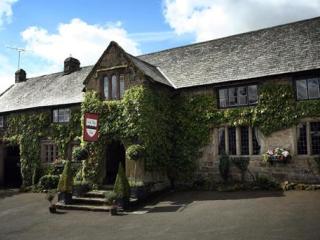
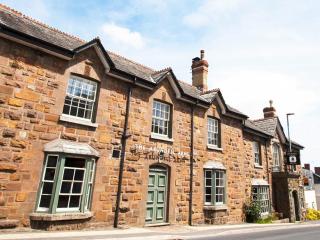
Dating back to the 12th century, there is a tangible sense of the past at this fascinating inn. Still very much the village local, it was first licensed in 1477 and boasts a standing st...
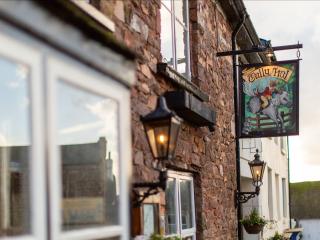
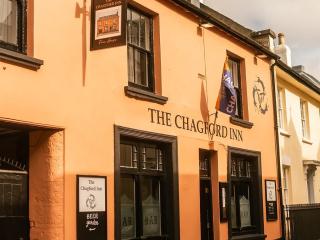
Tally Ho! Country Inn and Brewery
Dating back to the 15th-century, the Tally Ho! is a proper pub with a superb atmosphere and genuine sense of welcome. Located in the heart of Hatherleigh, this is a great base from whic...
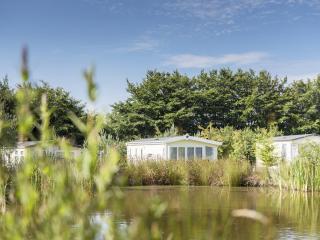
Dartmoor View Holiday Park
Dartmoor View offers you the best of both worlds. Onsite, there's a heated outdoor swimming pool and an exclusive owners' lounge which boasts spectacular views of the local area. Plus, ...
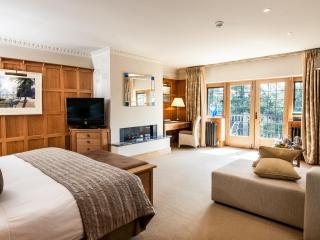
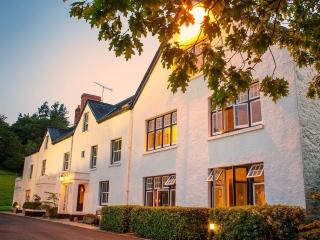
Gidleigh Park
Built in 1928 as a private residence for an Australian shipping magnate, and set in 107 acres of lovingly tended grounds, Gidleigh Park has a timeless charm and an endearing, homely atm...