Valley of Stones National Nature Reserve
Recommended by


Overview
The Valley of Stones NNR gets its name from the impressive series of sarsen boulders which tumble down the slope and floor of a dry chalk valley. It is considered to be one of the finest examples of a block stream, or boulder train, in Britain. Freeze/thaw conditions at end of the last Ice Age caused the sandstone rocks on top of nearby chalk hilltops to fragment and slump downhill by a process known as solifluction. There is evidence that the stones were used for local megalithic sites. The stones are set within a wider landscape of dry valleys and slopes of upper chalk, which includes extensive areas of fine calcareous grassland, rich in butterflies and wildflowers. Characteristic chalk downland plants such as salad burnet, small scabious, betony and wild thyme are abundant, with rarer plants such as clustered bellflower, autumn gentian and horseshoe vetch also present. Horsehoe vetch is abundant on the steep downland slopes, and is an important larval food plant for the two rare butterflies found on the reserve – the Adonis blue and the chalkhill blue.
About the area
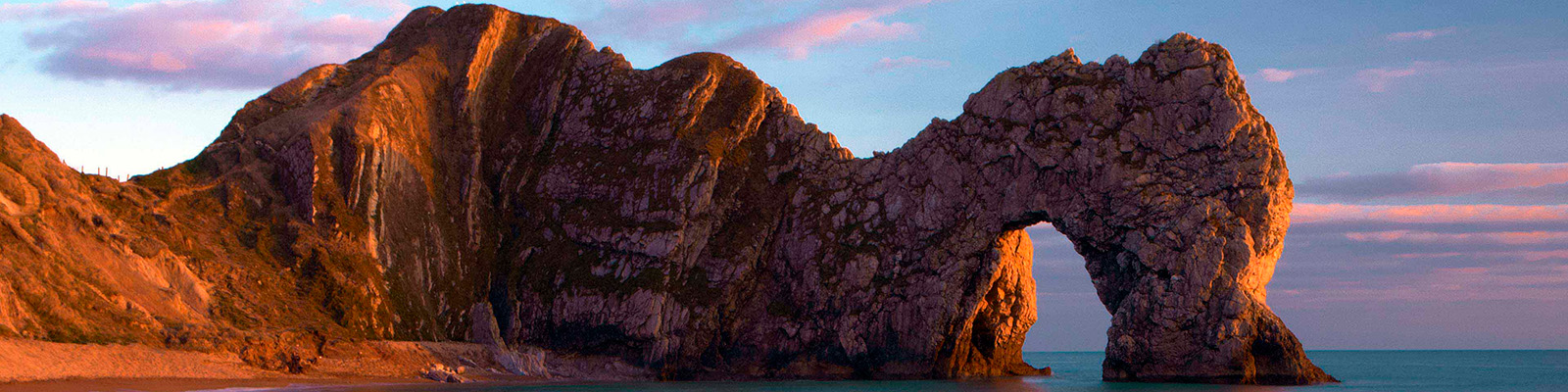
Dorset is made up of rugged coastlines, high chalk downlands and a chain of picturesque villages and seaside towns that make up Britain’s Jurassic Coast, a UNESCO World Heritage Site and Area of Outstanding Natural Beauty, noted for its layers of shale and numerous fossils embedded in the rock. Hidden gems of Dorset can be found down winding, country lanes that lead to snug villages hidden from view.
Places to eat nearby View all









Nearby places to stay
View all (8)


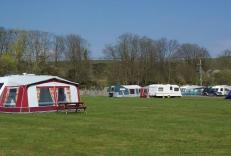
Caravan & Camping
Portesham Dairy Farm Campsite

- Launderette
- Ice pack facility
- Shop onsite
- Wifi available
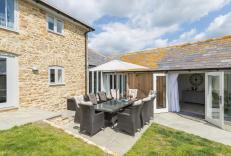


Nearby places to stay
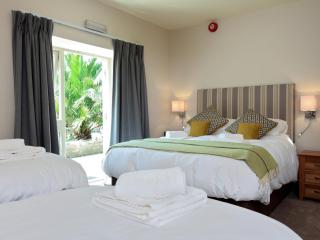
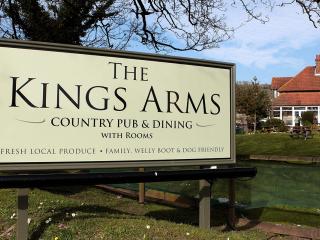
Kings Arms
Situated on the coast road, approximately halfway between Weymouth and Dorchester, this long-established and popular village local is a great base from which to explore the area. Local ...
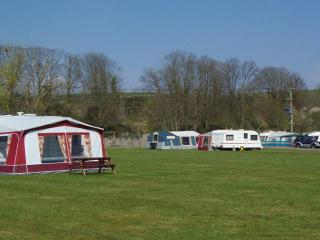
Portesham Dairy Farm Campsite
Located at the edge of the picturesque village of Portesham close to the Dorset coast, this family-run, level park is part of a small working farm in a quiet rural location. Fully servi...
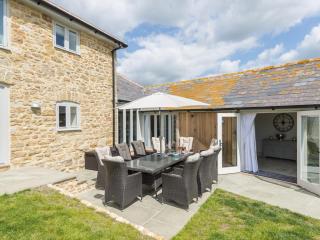
Furlongs
Furlongs is a stone-built farm steading that was completed in June 2019. It combines comfort with traditional features and modern style. The location is between the impressive coastal f...
Furlongs Cottage
Furlongs is a stone-built farm steading that was completed in June 2019. It combines comfort with traditional features and modern style. The location is between the impressive coastal f...
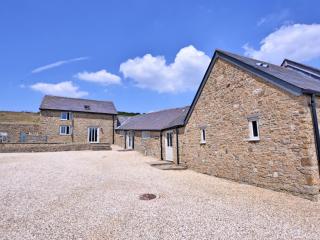
Clayhanger Lodge
Clayhanger Lodge is a spacious detached barn conversion that sleeps six in three bedrooms: two with super king-sized beds and one with two single beds that can be made into a super king...
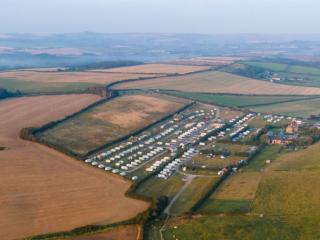
Bagwell Farm Touring Park
Bagwell Farm Touring Park is set in a small valley with access to the South West Coast Path and is very convenient for visiting Weymouth and Portland. It has excellent facilities includ...
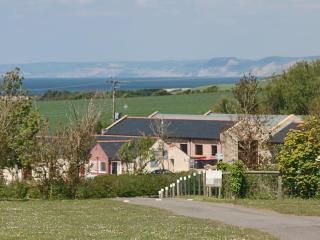
West Fleet Holiday Farm
A spacious farm site with both level and sloping pitches divided into paddocks and screened by hedges. This site has good views of the Dorset countryside, and is a relaxing place for a ...
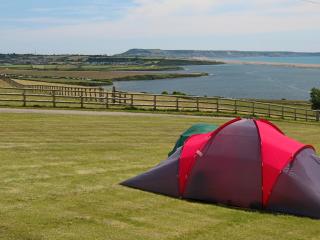
Sea Barn Farm Camping Park
This site is set high on the Dorset coast and has spectacular views over Chesil Beach, The Fleet and Lyme Bay, and it is also on the South West Coast Path. The pitches are sheltered by ...