Hartland Moor National Nature Reserve
Recommended by


Overview
Hartland Moor NNR, adjacent to Stoborough Heath NNR, is famous for its spectacular mosaic of open heathland and bogs, which support some of England’s rarest wildlife. In addition to many specialised plants, the reserve is home to insects, reptiles and birds that are rarely found elsewhere. Typical plants are ling heather, cross-leaved heath, bell heather, bog asphodel, white beak sedge, western gorse, and rarities such as Dorset heath, marsh gentian and bog orchid. There are over 500 heathland invertebrates including the rare heath and large marsh grasshoppers, the heath tiger beetle and the heath bee-fly, plus the smallest butterfly, the silver-studded blue, and the largest moth, the Emperor hawk moth. Bird life on the reserve includes the Dartford warbler, hobby, meadow pipit, stonechat, nightjar and hen harrier, and the moor is home to all six native reptiles: the smooth snake, grass snake, adder, sand lizard, common lizard and slow worm.
About the area
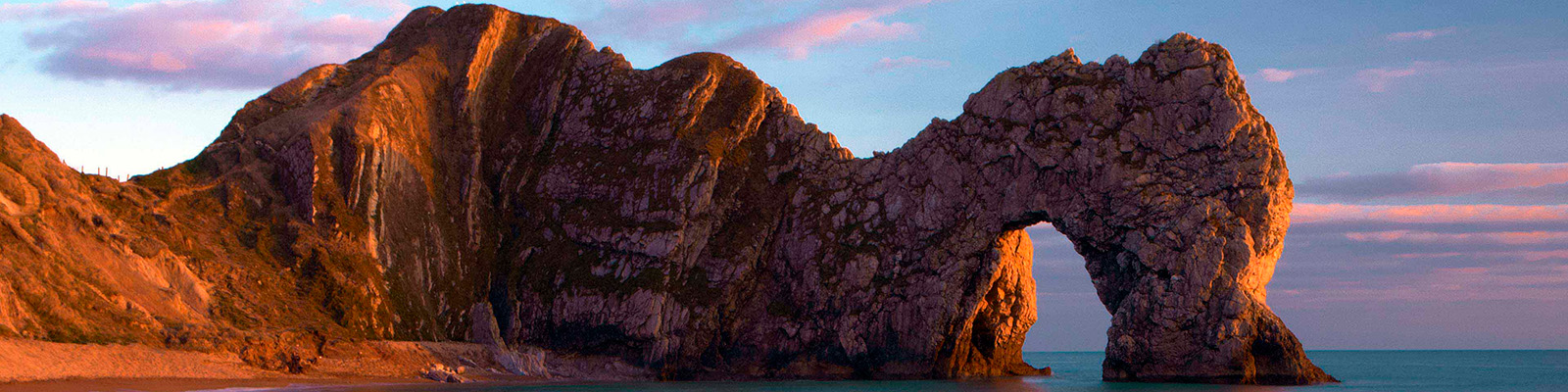
Dorset is made up of rugged coastlines, high chalk downlands and a chain of picturesque villages and seaside towns that make up Britain’s Jurassic Coast, a UNESCO World Heritage Site and Area of Outstanding Natural Beauty, noted for its layers of shale and numerous fossils embedded in the rock. Hidden gems of Dorset can be found down winding, country lanes that lead to snug villages hidden from view.
Places to eat nearby View all


Nearby places to stay
View all (8)
Caravan & Camping
Ridge Farm Camping & Caravan Park
- Launderette
- Ice pack facility
- Shop onsite
- Battery Charging
Caravan & Camping
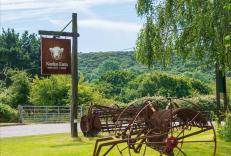
Norden Farm Touring Caravan and Camping Site
- Launderette
- Ice pack facility
- BBQ
- Picnic Area

Nearby places to stay
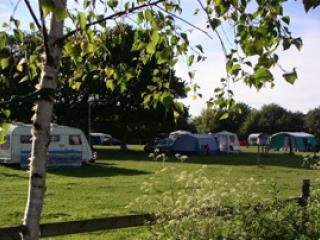
Ridge Farm Camping & Caravan Park
Ridge Farm is a quiet rural park, next to a working farm and surrounded by trees and bushes. This away-from-it-all park is ideal for touring this part of Dorset, and is especially good ...
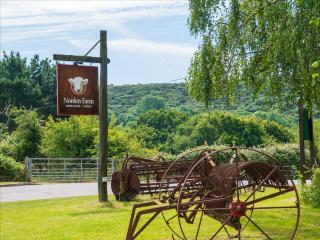
Norden Farm Touring Caravan and Camping Site
This delightful farm site offers traditional camping but with excellent toilet and shower facilities. It is a very dog-friendly site and is ideally suited for those who want a peaceful,...
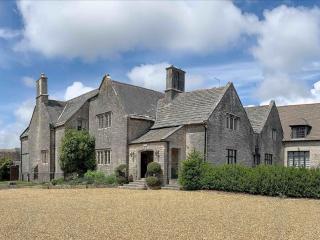
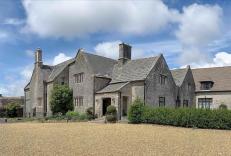
Mortons Manor
Mortons Manor is a family-owned Grade II listed Elizabethan Manor House, sitting at the base of Corfe Castle and dating back to 1590. The Tudor building is in the shape of an ‘E’ to hon...
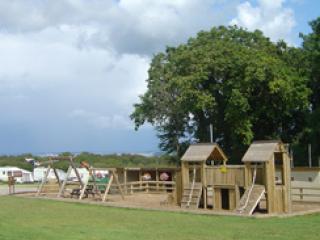
East Creech Farm Campsite
This grassy park is set in a peaceful location beneath the Purbeck Hills, with extensive views towards Poole and Brownsea Island. The park boasts bright, clean toilet facilities, a wood...
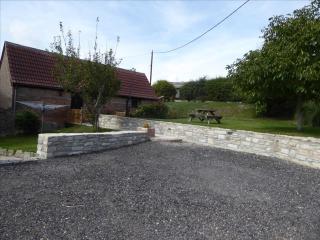
East Creech Cottage
Awaiting description...
East Creech Farm Cottage
Set among the lovely Purbeck Hills, East Creech Farm offers camping and camping pods as well as this charming cottage, ideal for couples or families. It’s also good for fishing as there...
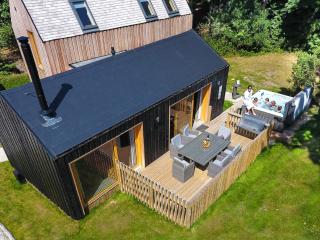
Burnbake Forest Lodges
Burnbake Forest Lodges in Dorset’s beautiful Isle of Purbeck is situated between Corfe Castle and Studland on the Jurassic Coast, a UNESCO World Heritage Site. The luxury lodges provide...
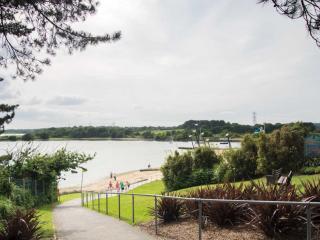
Rockley Park
A complete holiday experience, including a wide range of day and night entertainment, and plenty of sports and leisure activities, notably watersports. There is also mooring and launchi...