Moccas Park National Nature Reserve
Recommended by


Overview
Moccas Park NNR is one of the largest and most diverse examples of wood pasture in Britain, featuring some of the oldest veteran oak trees in the country. These ancient trees host a large variety of epiphytic (non-parasitic) plants and more than 200 species of lichen. A wide range of fungi grows in the forest and grassland, some of them very rare. These rare habitats in turn provide a home to rare insects, at least 13 species of bat, and mammals including brown hare, hedgehog and a specially protected subspecies of the badger. There is also a managed herd of fallow deer. Other mammals include the shy and rare polecat, once pronounced extinct in England but thought to have recolonised from Wales. Nearly 1,000 species of invertebrates have been recorded. Of particular importance are the English assassin fly and the western wood-vase hoverfly, which has only been found at one other site in the UK. The open water on the reserve supports a number of dragonflies and damselflies.
About the area
Herefordshire is split in two by the River Wye which meanders through the county on its way to the Severn and the sea. Largely rural, with Hereford, Leominster, and Ross-on-Wye the major towns and cities, its countryside and ancient villages are the county’s major asset.
Places to eat nearby View all
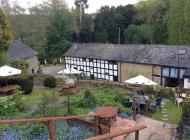
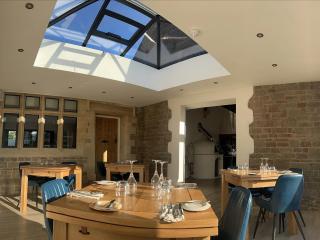
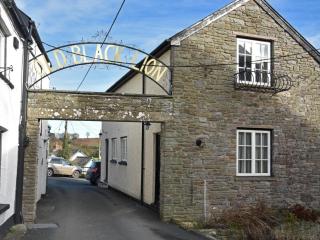
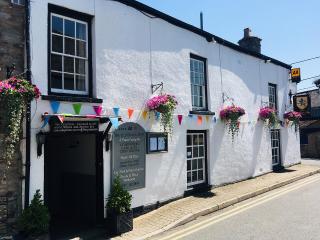
Nearby places to stay
View all (8)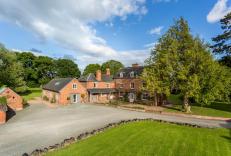


Nearby places to stay
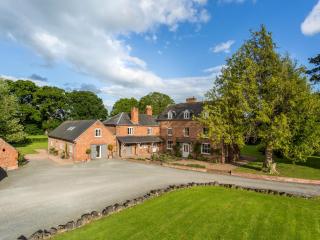
Monnington House
Monnington House is an Idyllic farmhouse situated on The Wye Valley Walk. It' 9 large bedrooms and 9 bathrooms make it perfect for celebrations and group gatherings. The dining area sea...
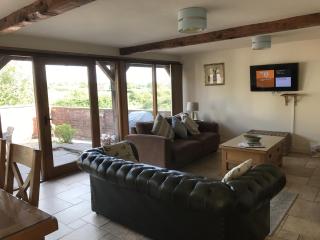
Lower House Barn
Situated between Hereford and Hay-on-Wye, Lower House Barn is the perfect place for friends or families to stay in comfort and to explore not only the Wye Valley but also the Black Moun...
Lower House Barn
Situated between Hereford and Hay-on-Wye, Lower House Barn is the perfect place for friends or families to stay in comfort and to explore not only the Wye Valley but also the Black Moun...
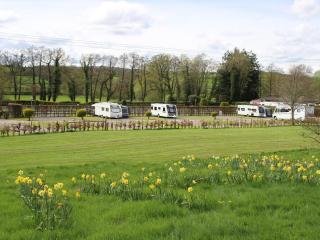
Poston Mill Park
Poston Mill Park is west of Herefordshire under the foothills of the Black Mountain in the Golden Valley. Hard-standing pitches are available all year round, suitable for caravans, moto...
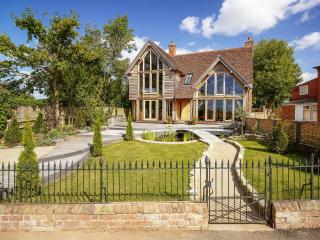
The Woodhouse
The Woodhouse brings a whole new meaning to the term ‘home shopping’ and gives you a true feel of what living in an oak frame house would be like. Staying at The Woodhouse is the ideal ...
The Woodhouse
The Woodhouse brings a whole new meaning to the term ‘home shopping’ and gives you a true feel of what living in an oak frame house would be like. Staying at The Woodhouse is the ideal ...
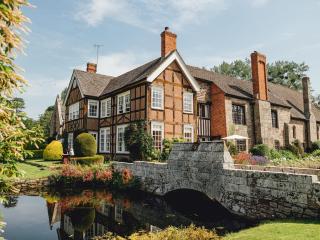
Brinsop Court
Ivy and Wood are two luxury cottages on the Brinsop Court Estate. Eighteenth-century, half-timbered Ivy, once the gamekeeper’s, stands on a hill looking towards the Black Mountains one ...
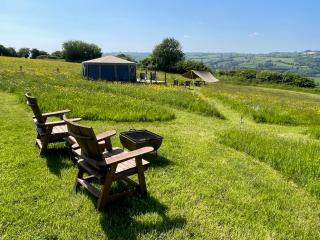
Heart of the Wye
The five peaceful yurts at Heart of the Wye have their own character and style and come with BBQ, fire pit, decking, seating, dining canopy, and a valley view. There’s also an on-site r...