Lady Park Wood National Nature Reserve
Recommended by


Overview
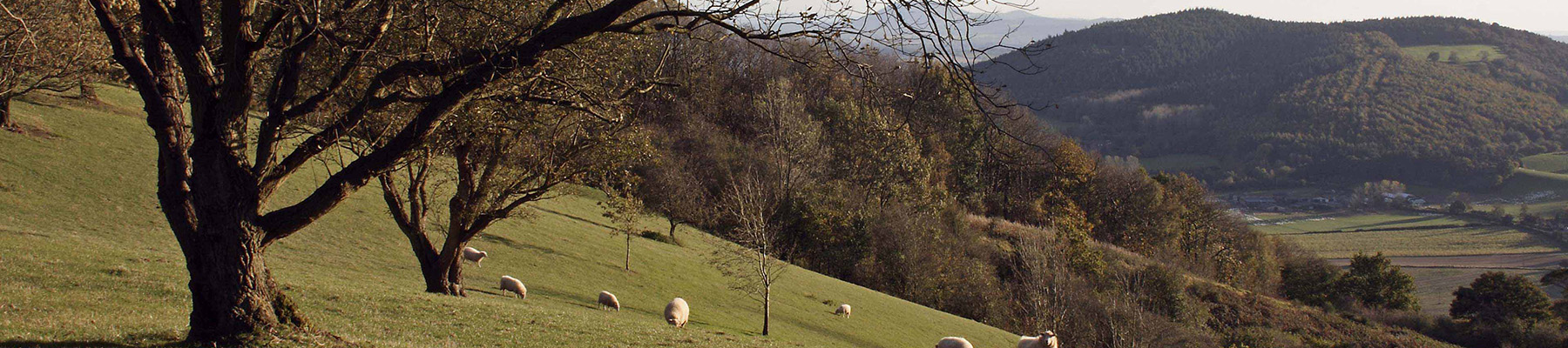
Lying in the swathe of ancient broadleaved woodland which sweeps down the Wye Valley from Goodrich to Chepstow is the Lady Park Wood NNR, near Monmouth. All three of our native woodpeckers live here – the great spotted, lesser spotted and green – and spring is the best time to hear and see them. Lady Park Wood is also a good place to see migrant birds that visit in spring and summer. Breeding birds include bullfinches, pied flycatchers, redstarts, tree pipits and various warblers. Two of Britain’s rarest bats live in the woods. The greater horseshoe bat is Britain’s most endangered bat, and with the lesser horseshoe bat it uses caves and disused mines in the area to roost and raise young. The lesser horseshoe bats found in the Wye Valley woodlands represents 26 per cent of the UK population, making it by far the largest population of this species in Wales.
About the area
Herefordshire is split in two by the River Wye which meanders through the county on its way to the Severn and the sea. Largely rural, with Hereford, Leominster, and Ross-on-Wye the major towns and cities, its countryside and ancient villages are the county’s major asset.
Places to eat nearby View all
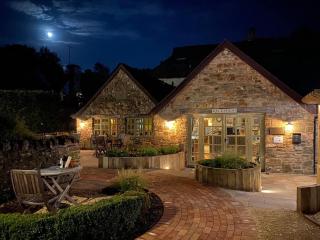
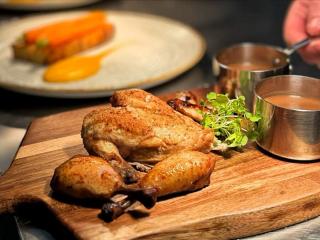
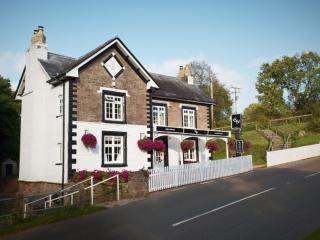
Nearby places to stay
View all (8)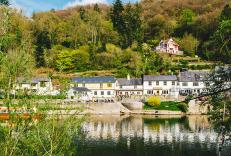




Nearby places to stay
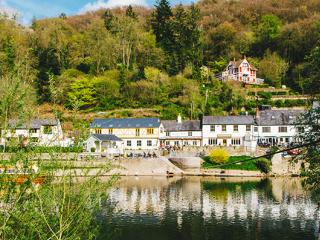
Saracens Head Inn
Dating from the 16th century, the friendly, family-run Saracens Head faces the River Wye and has wonderful views. The well-equipped bedrooms are decorated in a cottage style, and there ...
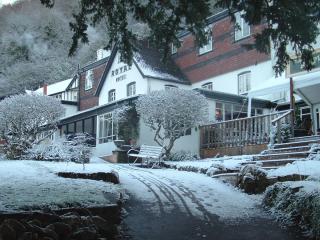
The Royal Lodge
The Royal Lodge stands at the top end of the village overlooking the River Wye. Bedrooms vary though mostly spacious and comfortable. There is a cosy lounge with an open fireplace and t...
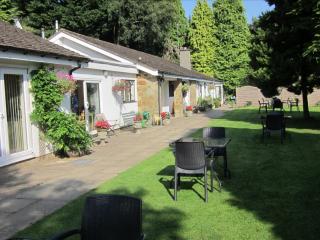
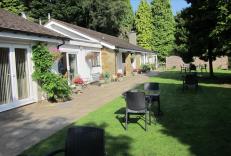
Paddocks Cottages
Situated in the picturesque and tranquil area of Symonds Yat, The Cottage makes a perfect base for exploring the Wye Valley. Enjoy the beautiful countryside of three surrounding countie...
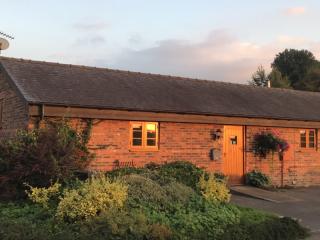
Cowshed Cottage & The Dairy
Cowshed Cottage and The Dairy are finished to an exceptional standard, providing a cosy and comfortable base for your next holiday. Located near to the pretty Gloucestershire village of...
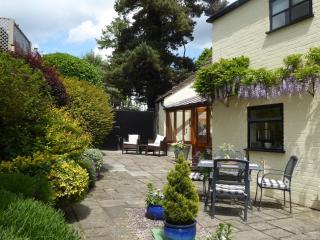
The Coach house
The Coach House is a converted Coach House in historic and tranquil village of Newland furnished to high standard. Expect three large bedrooms, two bathrooms, laundry, open fire, cycle ...
The Coach House
The Coach House is a converted Coach House in historic and tranquil village of Newland furnished to high standard. Expect three large bedrooms, two bathrooms, laundry, open fire, cycle ...
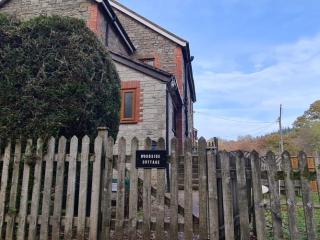
Woodside Cottage & Oakwood Cottage
Woodside and Oakwood cottages are semi-detached properties in a 100-year-old building. Set in woodlands, the cottages are a stone’s throw from the start of an 11-mile cycle track and a ...
Woodside Cottage
Awaiting description...