Charnwood Lodge National Nature Reserve
Recommended by


Overview
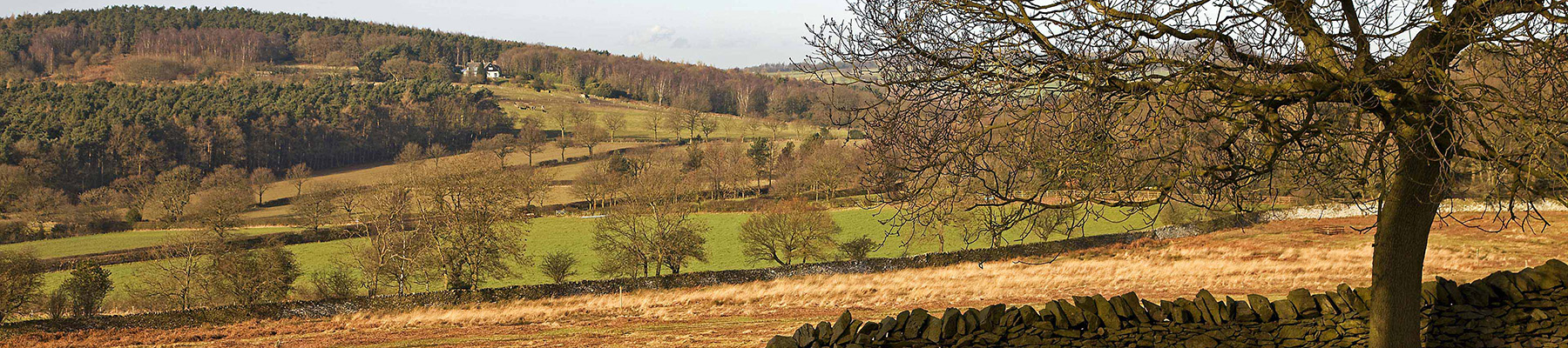
The 600-million-year-old, pastel Precambrian rock outcrops of the Charnwood Lodge NNR are among the oldest in England, and include the famous ‘bomb’ porphyroid rocks, buried in the younger rocks. Large areas of heath grassland are dotted with small areas of bilberry, while marshes and boggy pools harbour a wide variety of species such as bog pimpernel, marsh violet, lesser skullcap, creeping willow and climbing corydalis. Holly blue and green hair-streak butterflies can be seen on Timberwood Hill, usually in May, and a variety of moorland moths are known to occur, including the fox moth, neglected rustic and glaucous shears. The southern side of the reservoir is dominated by alders beneath which there is a rich bog community. Groups of wigeon, teal, pochard and tufted duck are present in the autumn and winter and the bordering fields are the haunt of curlew and wheatear in the spring. Buzzard, kestrel and sparrowhawk are commonly seen. Charnwood is also important for bats; both species of pipistrelle and the rare natterer’s breed here, and brown long-eared and noctule are also recorded.
About the area
Leicestershire is divided between the large country estates of its eastern side and the industrial towns of the East Midlands to its west. Coal mining was an important part of the county’s industrial development in the 19th and 20th centuries.




Nearby places to stay
View all (8)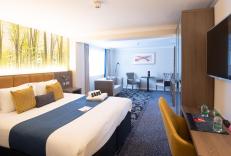







Nearby places to stay
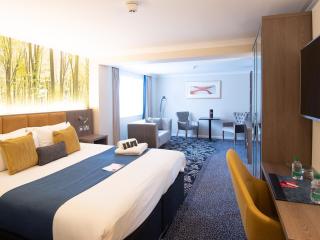
Burleigh Court
Burleigh Court is one of the Midlands' largest accredited conference centres and hotels, combining outstanding meeting facilities with first class accommodation. The AIM Gold-accredited...
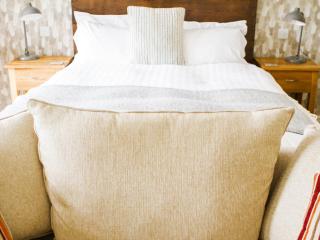
The Royal Oak
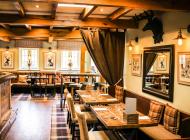
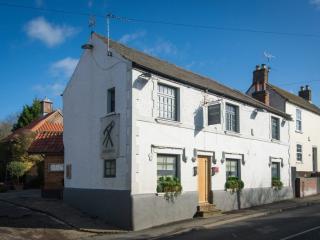
The Royal Oak is a popular gastro pub with rooms, located in a small village just four miles from East Midlands Airport. All members of the young team offer a warm welcome and service i...
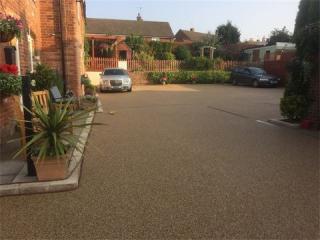
The Post House
You'll get a warm welcome at the The Post House in Ibstock, and all the comforts you'd expect from a family-run guest house. There are six bedrooms, all decorated in a different style a...
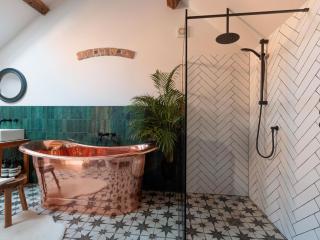
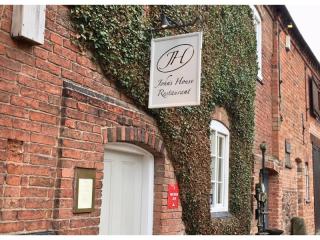
John's House Restaurant
A stones throw from John's House Restaurant, a former 19th-century stable and hay barn has been lovingly converted into two separate cottages; 'Sweet Pea' and 'Chocolate Box'. This qual...
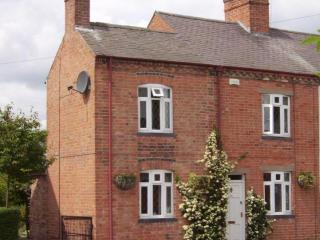
Kingfisher Cottage
Once the home of workers employed at the nearby mill, Kingfisher Cottage is an attractive red-brick Victorian cottage in a quiet location. Well-equipped with its own driveway, the house...
Kingfisher Cottage
Once the home of workers employed at the nearby mill, Kingfisher Cottage is an attractive red-brick Victorian cottage in a quiet location. Well-equipped with its own driveway, the house...
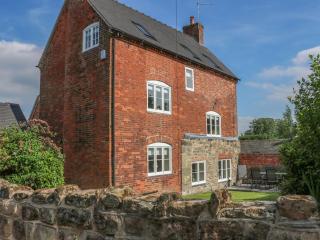
Firtree Cottage
Firtree Cottage is a beautiful four-bedroom cottage situated on the historic Harpur Crewe Estate in the tranquil village of Smisby, just one and a half miles from Ashby-de-la Zouch. The...
Firtree Cottage
Firtree Cottage is a beautiful four-bedroom cottage situated on the historic Harpur Crewe Estate in the tranquil village of Smisby, just one and a half miles from Ashby-de-la Zouch. The...