Far Ings National Nature Reserve
Recommended by


Overview
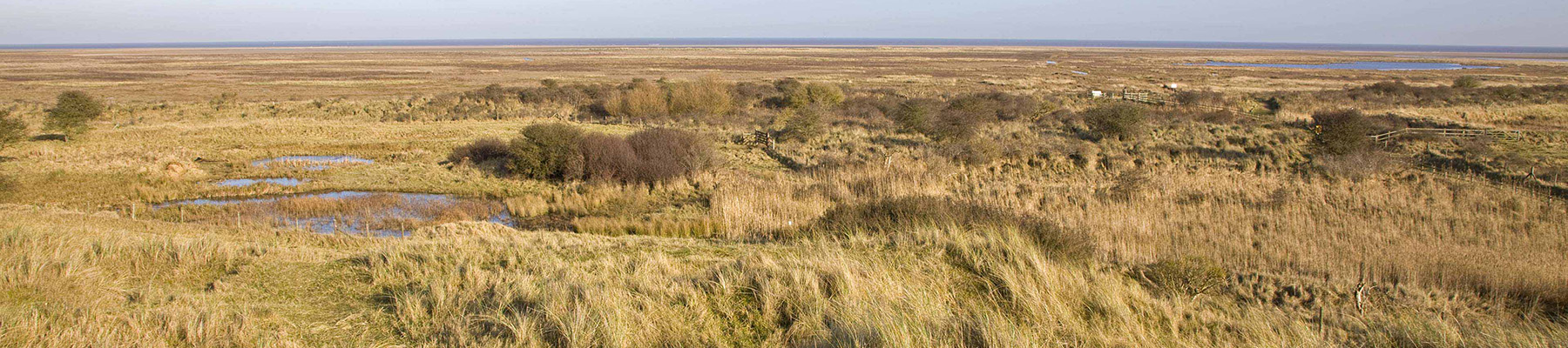
Far Ings NNR is made up of a series of former clay pits which have been flooded to create reedbeds. Located on the south bank of the Humber estuary, it is a major east-west flyway for migrating birds, and provides an excellent environment for observing birds all year round. Among the species you might see or hear are warblers or bearded tits, the eerie boom of the bittern, or a marsh harrier drifting silently over the reedbeds. In spring and autumn you can see migratory birds like pipits, finches, swallows, martins, swifts, larks, starlings, waders and wildfowl moving along the estuary. In late summer the reedbeds provide important roosts for swallows and martins, while in autumn and winter, the observer on the Humber bank will be rewarded with sightings of redshank, wigeon, black-tailed godwit, teal, skeins of pink-footed geese and many more species.
Features
- Opening Times
- Open all year
About the area
Much of the fenland around the Wash has been drained of its marshes and reclaimed as highly productive farmland. Further north, the coastline, with its sandy beaches, has been developed to accommodate the holiday industry, with caravans, campsites and the usual seaside paraphernalia.
Places to eat nearby View all
Nearby places to stay
View all (8)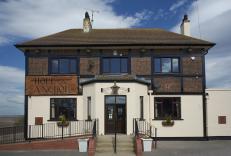
Nearby places to stay
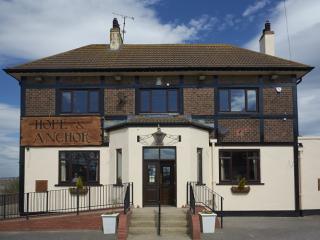
The Hope and Anchor Pub
The Hope and Anchor Pub dates back to the 19th century and is situated at the end of South Ferriby, offering prime views of the Humber Bridge. The bedrooms are charming and have been th...
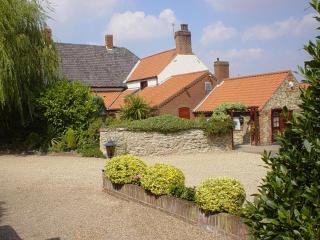
Winteringham Fields
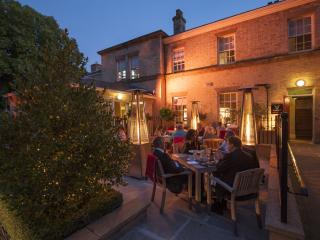
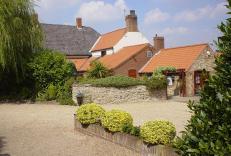
Winteringham Fields is a highly regarded restaurant with rooms, located deep in the countryside in Winteringham village, six miles west of the Humber Bridge. Public rooms and bedrooms, ...
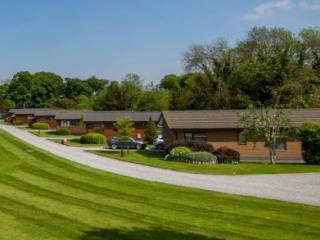
Raywell Hall Country Lodge Park
Tucked away in 29 acres of countryside, award-winning Raywell Hall Country Lodge Park offers peace and tranquillity in full measure. This is good walking country, and the Yorkshire Wold...
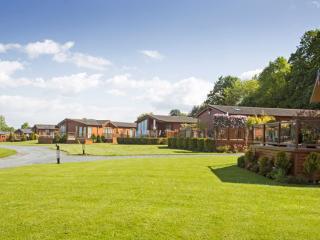
Fairways Lodge Number 5
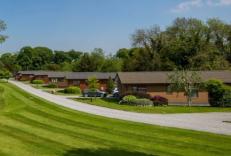
Cottingham Parks is initially a golf club, but with much more on offer. There is also a health club, an equestrian centre, a beauty salon, cafe bar and lounge, and a venue for weddings ...
Fairways Lodge Number 5
Cottingham Parks is initially a golf club, but with much more on offer. There is also a health club, an equestrian centre, a beauty salon, cafe bar and lounge, and a venue for weddings ...
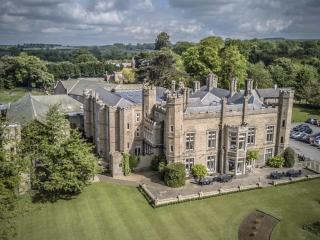
Cave Castle Hotel & Country Club
The Cave Castle Hotel & Country Club estate is nestled at the foot of the Yorkshire Wolds, a grand countryside retreat comprised of a hotel, restaurant, health club, 18 hole golf course...
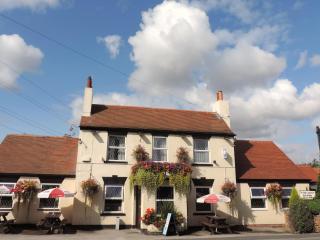
The Ship's Quarters
The Ship’s Quarters accommodation is situated in the grounds of The Ship Inn freehold public house. It is perfect for visiting Beverley, Hull or The East Coast. After a busy day, why no...
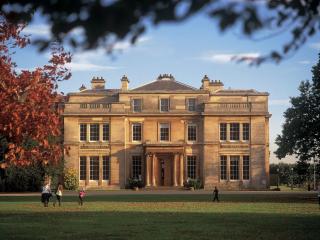
Normanby Hall Country Park
Normanby Hall Country Park is an idyllic estate set in the heart of North Lincolnshire. Open to the public every day of the year, the park is a great place for a day out. It also has a ...