Muston Meadows National Nature Reserve
Recommended by


Overview
Muston Meadows NNR is one of the finest lowland meadows in England. The meadows are rich in plant life, with 33 types of grass and over 100 other species of flowering plant. The reserve is especially noted for its colony of over 10,000 rare green-winged orchids. The meadows contain a wealth of other wildlife, including invertebrates, amphibians and birds. The site also supports a variety of insects, including many butterflies and moths. Ponds – originally dug to provide water for grazing animals – are now home to dragonflies, frogs and the rare great-crested newt. Skylarks and meadow pipits build their nests in the long grass, while yellowhammers, linnets and whitethroats nest in hedgerows. There are large numbers of small mammals such as bank and field voles, and on summer evenings bats can be seen hunting for insects over the site. The best time to visit the site is during May, when the green-winged orchids are at their best.
About the area
Much of the fenland around the Wash has been drained of its marshes and reclaimed as highly productive farmland. Further north, the coastline, with its sandy beaches, has been developed to accommodate the holiday industry, with caravans, campsites and the usual seaside paraphernalia.
Places to eat nearby View all
Nearby places to stay
View all (8)


Nearby places to stay
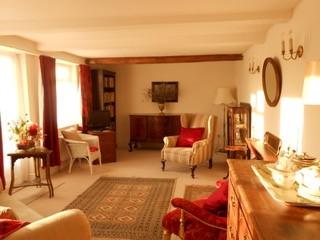
1 The Green
Set in the Vale of Belvoir, 1 The Green is a four-bedroom holiday cottage with gas central heating. There’s a large kitchen, a lounge with an open fire, and a separate dining room. Visi...
1 The Green
Set in the Vale of Belvoir, 1 The Green is a four-bedroom holiday cottage with gas central heating. There’s a large kitchen, a lounge with an open fire, and a separate dining room. Visi...
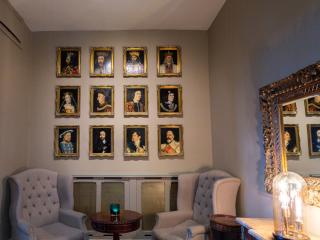
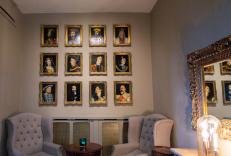
Angel and Royal Hotel
Packed full of history, The Angel and Royal at Grantham, has been known to travellers on the Great North Road for more than 800 years, and many tales are told of it. Bedrooms are classi...
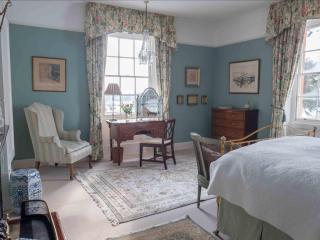
Langar Hall Hotel and Restaurant
At the end of an avenue of lime trees sits the country oasis of Langar Hall. With the charm and quiet eccentricity of an English country home, the hotel is just the right amount of mode...
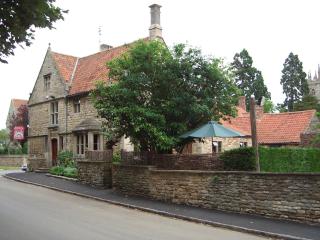
The Brownlow Arms
The Brownlow Arms is a beautiful 16th-century property that enjoys a peaceful location in this picturesque village, located between Newark and Grantham. Tastefully appointed and spaciou...
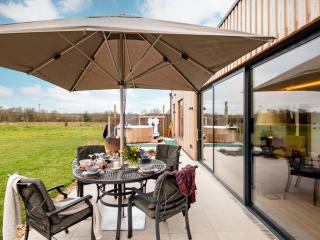
Meadow Lodges Boothby
Escape on holiday to Meadow Lodges Boothby Pagnell. Are you looking for somewhere to escape and stop and unwind for a while? Our two luxury eco-friendly holiday lodges with private hot...
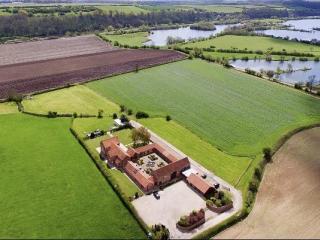
Horspool Retreat
Horspool Retreat is great for a large group, as it can sleep around 30 guests. The indoor heated swimming pool is for guests' sole use along with a relaxation area containing recliners,...
Horspool Retreat
Horspool Retreat is great for a large group, as it can sleep around 30 guests. The indoor heated swimming pool is for guests' sole use along with a relaxation area containing recliners,...