Cabin Hill National Nature Reserve
Recommended by


Overview
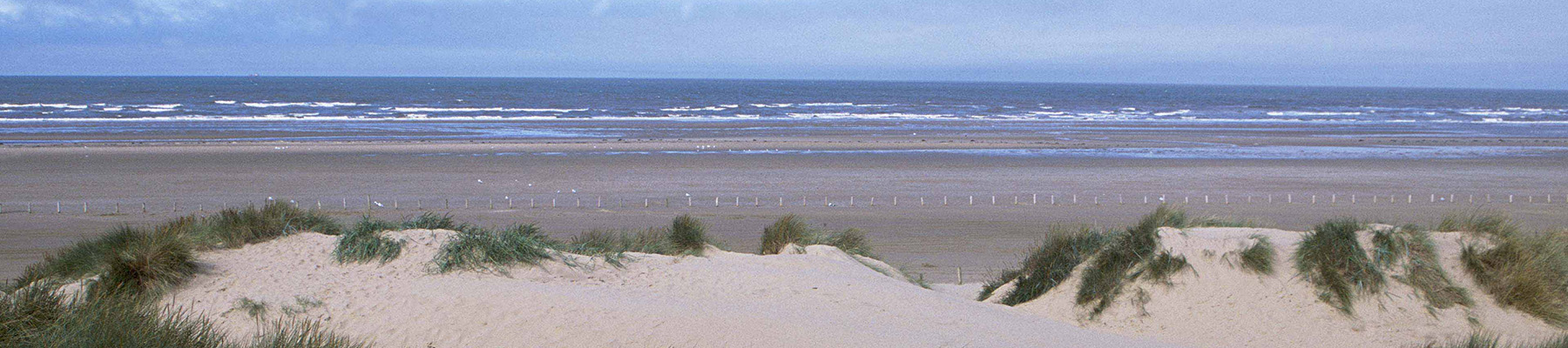
Cabin Hill NNR near Formby forms part of Lancashire’s Sefton Coast, the finest dune system on the northwest coast of England. This small (69 acre) but special site exhibits classic coastal succession, with intertidal sand flats and embryo dunes grading into mobile yellow dunes. Despite its comparatively small size, Cabin Hill NNR provides a variety of habitats. The beach provides vital feeding and roosting grounds for thousands of migrating and overwintering birds, including knot, grey plover and bar-tailed godwit. Tiger beetle, common lizard and the rare sand lizard are found on the dunes, and at night in late April the rare and endangered natterjack toad calls from around the fringes of the flooded slacks. On the dune pastures wildflowers include eyebright, yellow rattle, bee orchid, dune helleborine, cowslip, and fairy flax. The pastures also provide a nesting site for birds such as skylark, grey partridge, lapwing and snipe.
About the area
A metropolitan county on the River Mersey, with Liverpool as its administrative centre, Merseyside incorporates the towns of Bootle, Birkenhead, St Helena, Wallasey, and Southport. In the 19th century, Liverpool was England’s second greatest port, and the area has been affected by urban deprivation and unemployment.
Places to eat nearby View all
Nearby places to stay
View all (8)

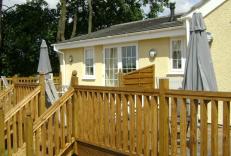
Nearby places to stay
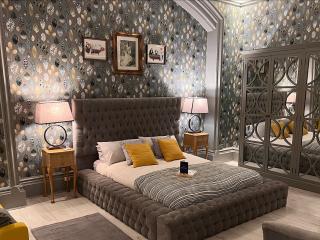
Beach Lawn House
Awaiting description....
Ismay Billiard Room Apartment
Ismay Billiard Room is a 950sqft one bedroom apartment and was once the area of the house that was Thomas Henry Ismay’s Billiard room. It was while Ismay was playing Billiard’s one even...
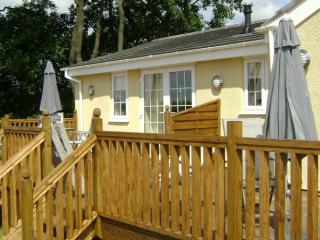
Cross Farm Cottages
These three newly converted old farm buildings – Natterjack, Red Squirrel and Swallow Cottages – are in lovely countryside with views over fields, yet within easy reach of Southport, Or...
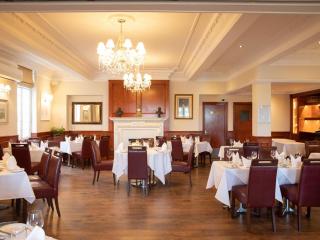
The Royal Hotel
There are some great views from the Royal Hotel. Set at the mouth of the Mersey you can see the Marine Gardens, the Irish Sea, and the Wirral and North Wales off in the distance. It’s a...
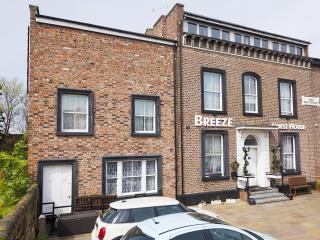
Breeze Guest House
This pleasant family-run guest house provides a friendly place to stay close to the city. With secure parking and great transport links, it is ideally located for Anfield and Goodison P...
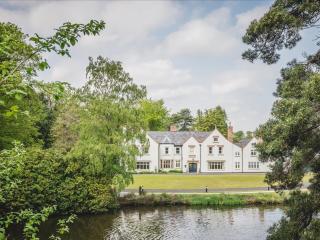
Moor Hall Restaurant with Rooms
Moor Hall is located in west Lancashire in five-acre gardens with stunning views over a beautiful lake, and is said to be the remains of a medieval moat. This Grade II listed house has ...
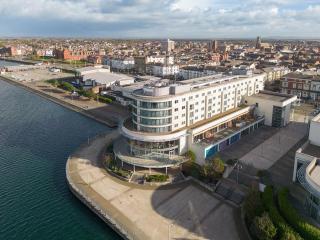
The Waterfront Hotel Southport
The Waterfront Southport Hotel is the epitome of coastal luxury, a hidden gem on Southport's picturesque waterfront. This is a great place for a peaceful escape with elegantly designed ...
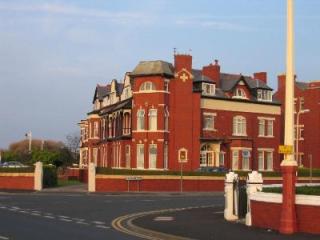
Promenade Apartments
Promenade Apartments are located in elegant Victorian villas on the northern part of Southport’s exclusive Promenade. A few minutes’ walk the shops and restaurants, the apartments are f...