Ainsdale Sand Dunes National Nature Reserve
Recommended by


Overview
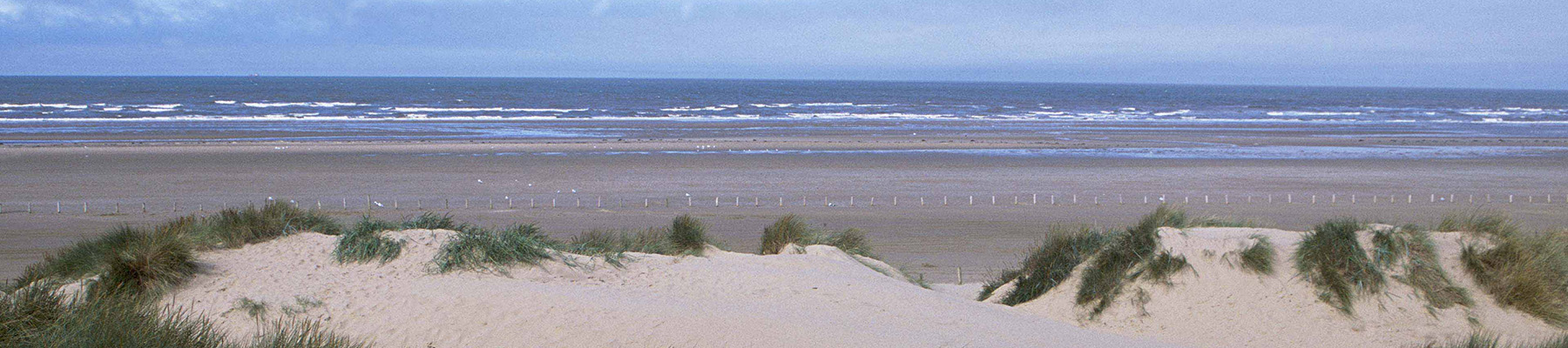
The Ainsdale Sand Dunes NNR on the Sefton Coast of Lancashire is home to over 450 plant species, and is one of the strongholds of the rare natterjack toad – Europe’s loudest amphibian. Around 40 per cent of Britain’s dune slacks (damp valleys) are found here between the sandy ridges and dry dune grasslands. The slacks flood in winter, providing breeding pools for the toads, whose distinctive call can be heard for miles. The pools are also used by great crested newts and many dragonflies. The rabbits that graze the dunes unearth bare sand in which the sand lizards can lay their eggs, allowing the northern dune tiger beetle and the vernal mining bee to create their own burrows. Plants found in these areas include biting stonecrop, sticky stork’s-bill and heath dog violet, often accompanied by the caterpillar of the dark green fritillary butterfly. The purple flowers of the rare field gentian has its largest colony in Britain here. The rare and endangered red squirrel can occasionally be seen in the reserve’s pine forests.
About the area
A metropolitan county on the River Mersey, with Liverpool as its administrative centre, Merseyside incorporates the towns of Bootle, Birkenhead, St Helena, Wallasey, and Southport. In the 19th century, Liverpool was England’s second greatest port, and the area has been affected by urban deprivation and unemployment.
Places to eat nearby View all
Nearby places to stay
View all (8)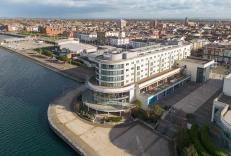
Nearby places to stay
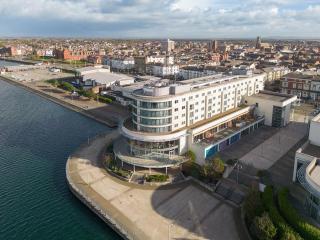
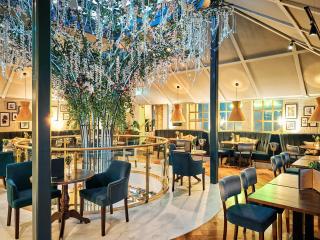
The Waterfront Hotel Southport
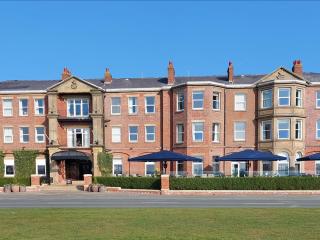
The Waterfront Southport Hotel is the epitome of coastal luxury, a hidden gem on Southport's picturesque waterfront. This is a great place for a peaceful escape with elegantly designed ...
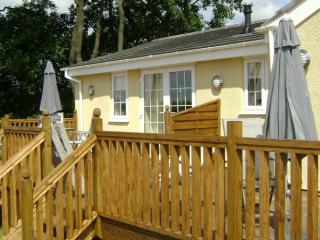
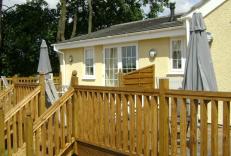
Cross Farm Cottages
These three newly converted old farm buildings – Natterjack, Red Squirrel and Swallow Cottages – are in lovely countryside with views over fields, yet within easy reach of Southport, Or...
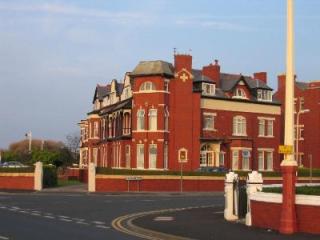
Promenade Apartments
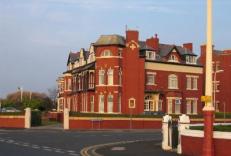
Promenade Apartments are located in elegant Victorian villas on the northern part of Southport’s exclusive Promenade. A few minutes’ walk the shops and restaurants, the apartments are f...
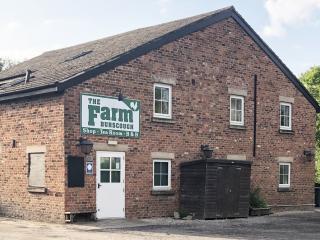
The Farm Burscough
Located a short drive from Southport, The Farm Burscough offers three cosy en-suite bedrooms in a converted 18th-century barn on a working farm. The property also has a rustic all-day t...
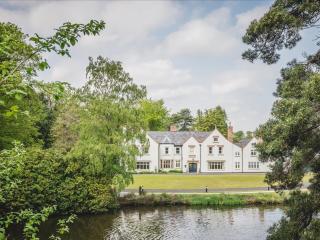
Moor Hall Restaurant with Rooms
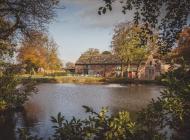
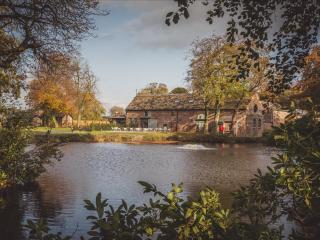
Moor Hall is located in west Lancashire in five-acre gardens with stunning views over a beautiful lake, and is said to be the remains of a medieval moat. This Grade II listed house has ...
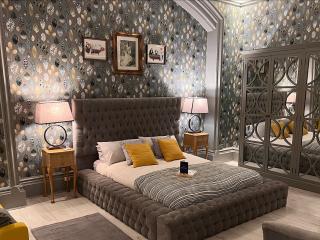
Beach Lawn House
Awaiting description....
Ismay Billiard Room Apartment
Ismay Billiard Room is a 950sqft one bedroom apartment and was once the area of the house that was Thomas Henry Ismay’s Billiard room. It was while Ismay was playing Billiard’s one even...
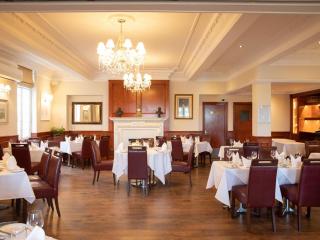
The Royal Hotel
There are some great views from the Royal Hotel. Set at the mouth of the Mersey you can see the Marine Gardens, the Irish Sea, and the Wirral and North Wales off in the distance. It’s a...