Hickling Broad National Nature Reserve
Recommended by


Overview
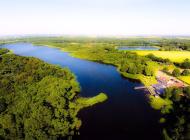
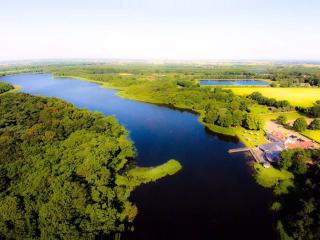
The largest of the Norfolk Broads, the Hickling Broad NNR provides a year-round haven for wildlife. Hickling is situated on the Upper Thurne River system, which holds a significant percentage of the UK population of common crane. One of the great wildlife spectacles of Norfolk is to watch these impressive birds giving their haunting, bugle-like call as they fly into the reeds near Stub Mill around dusk to roost during the winter. There are also important breeding numbers of bittern, marsh harrier, bearded tit and Cetti’s warbler. In winter large numbers of marsh harriers roost in the reedbeds northeast of Stubb Mill, and merlin and hen harrier are also regulars. The sight of a barn owl is almost guaranteed and you may see kingfisher if you are lucky. Interesting mammals include the introduced Chinese water deer, red deer and hard-to-see otters. Among the many insects are two iconic local specialities – the swallowtail butterfly and the Norfolk hawker dragonfly. Plants include milk parsley, the important larval food plant of the swallowtail.
About the area
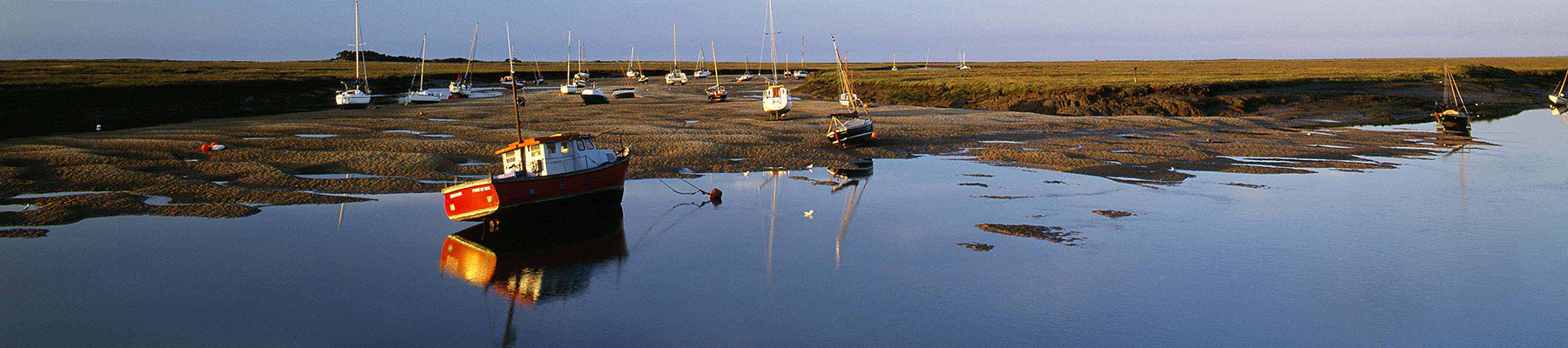
The North Norfolk Coast is designated an Area of Outstanding Natural Beauty and probably the finest of its kind in Europe. Here you’ll find a string of quaint villages and small towns – Holkham, Wells-next-the-Sea and Cley next the Sea are 21st-century favourites, while Sheringham and Cromer are classic examples of a good old-fashioned seaside resort where grand Victorian hotels look out to sea.
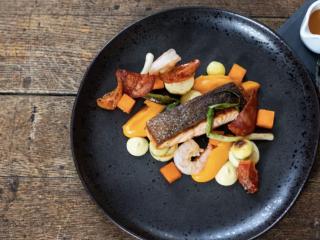
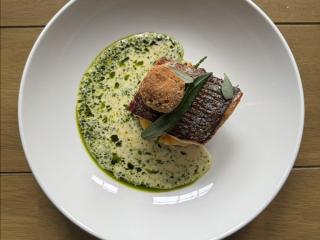
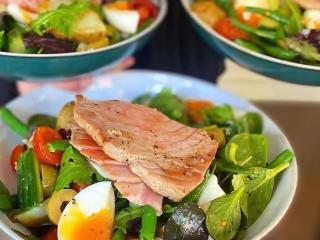
Places to eat nearby View all


Nearby places to stay
View all (8)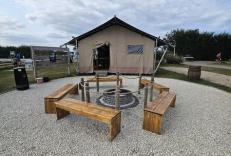
Nearby places to stay
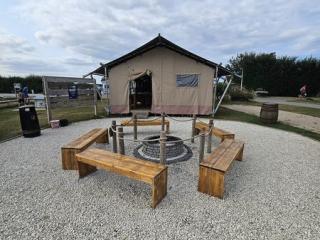
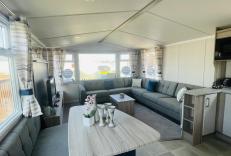
Waxham Sands Holiday Park
Waxham Sands Holiday Park is set in a most peaceful and tranquil coastal location. A perfect place for nature loves, at certain times you may see up to 100 seals basking on the beach. a...
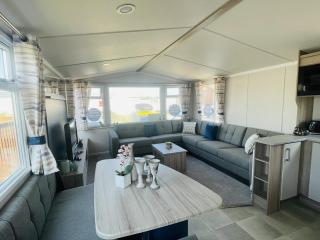
Golden Beach Holiday Park
Golden Beach Holiday Park is situated, as its name suggests, very close to the beach with extensive sandy areas for the guests to enjoy. It makes a great base for visiting the many loca...
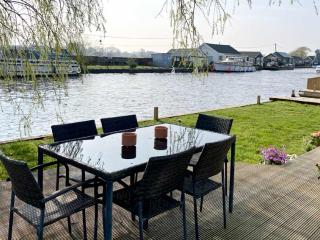
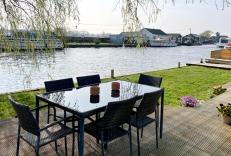
Sunray
Sunray is a recently renovated property ideally situated overlooking the River Thurne. It has a large private frontage with its own mooring, decking and a pizza oven. The property featu...
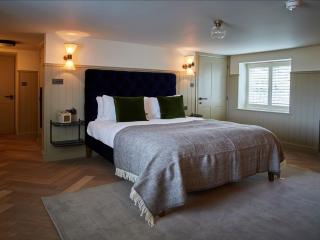
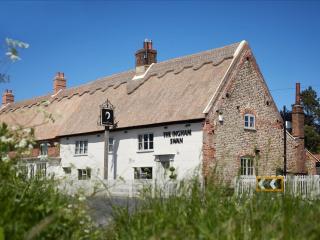
The Ingham Swan
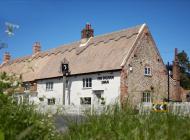
The Ingham Swan is a delightful, 14th-century, thatched coaching inn within easy striking distance of the north Norfolk coastline. This heritage building has been sympathetically restor...
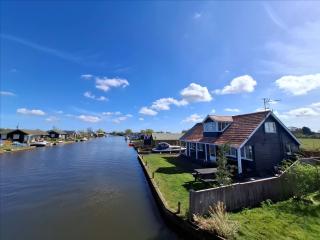
The River House
The River House is a charming riverside cottage at Potter Heigham on the Norfolk Broads. The comfortable two-storey, three bedroom, holiday let/rental home is set on the banks of the Ri...
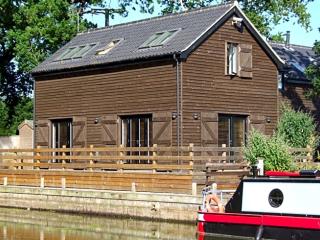
The Boathouse and Boathouse Cottage
In an exclusive marina at Wayford Bridge on the banks of the River Ant, the Boathouse is a sumptuous setting for a holiday in the Norfolk Broads. With canoe hire included and the freedo...
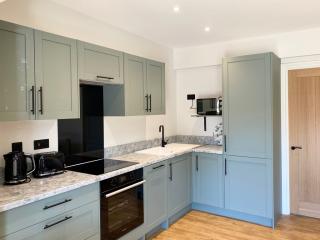
Braemar
Braemar is a Courtyard cottage, fully refurbished in 2025. It's all on the ground floor with open plan lounge, kitchen and diner. It has one bedroom, sleeping 2 guests, with a zip and l...
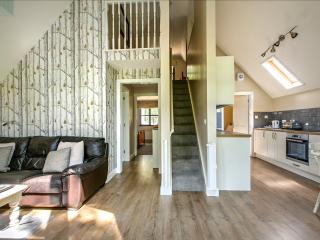
Pine Lodge 2
Awaiting description...