Ludham & Potter Heigham National Nature Reserve
Recommended by


Overview
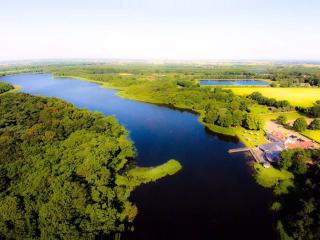
The Ludham and Potter Heigham NNR is a traditionally-managed grazing marsh in the Norfolk Broads, which supports a diverse range of wetland plant, insect and bird species. The dyke system, its edges trampled by cattle, supports over 100 species of aquatic and emergent plants, along with a rich community of insects. In summer, damselflies and dragonflies, including the rare Norfolk hawker, abound. Water voles live in and around the dykes, while many birds use the grass marshes for feeding and over-wintering. Grazing cattle are used to keep the grass sward short. Trampling of the dyke edges creates a tussocky ‘berm’ which is colonised by emergent and fen plants. Dykes which become overgrown or are in danger of filling in due to cattle trampling are cleaned out by a mechanical digger. Water levels are controlled by sluices, with excess water from nearby uplands being pumped out to the adjacent River Thurne.
About the area
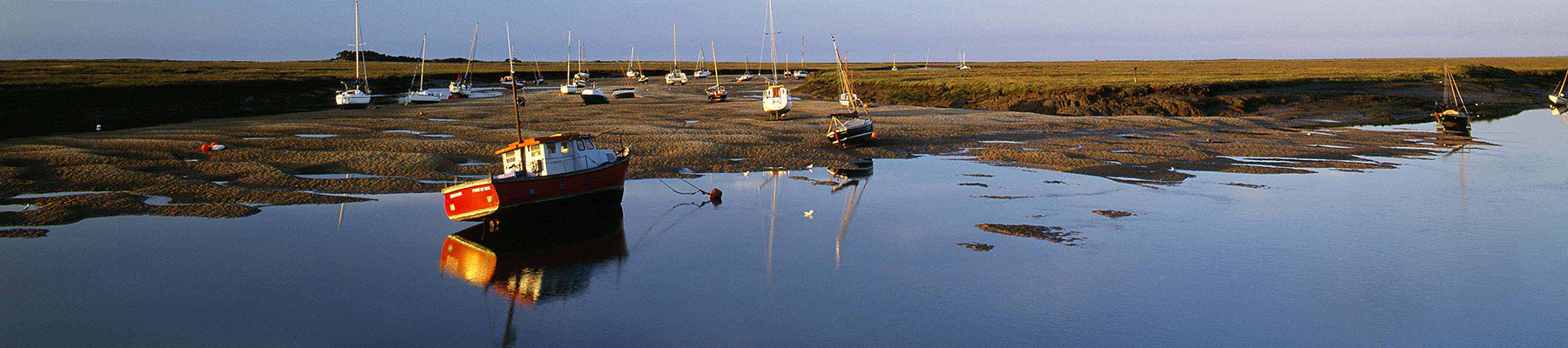
The North Norfolk Coast is designated an Area of Outstanding Natural Beauty and probably the finest of its kind in Europe. Here you’ll find a string of quaint villages and small towns – Holkham, Wells-next-the-Sea and Cley next the Sea are 21st-century favourites, while Sheringham and Cromer are classic examples of a good old-fashioned seaside resort where grand Victorian hotels look out to sea.
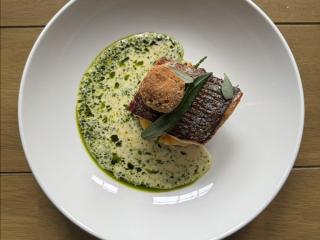
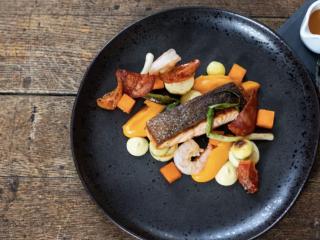
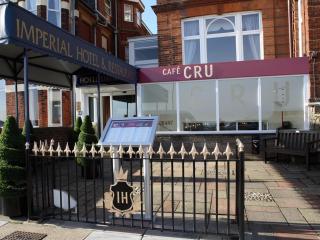
Places to eat nearby View all



Nearby places to stay
View all (8)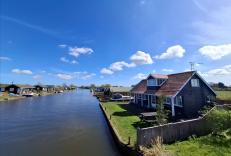
Nearby places to stay
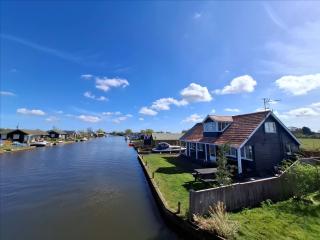
The River House
The River House is a charming riverside cottage at Potter Heigham on the Norfolk Broads. The comfortable two-storey, three bedroom, holiday let/rental home is set on the banks of the Ri...
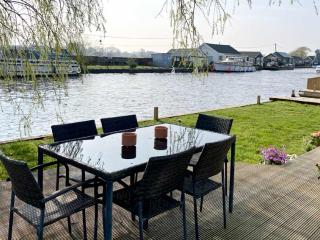
Sunray
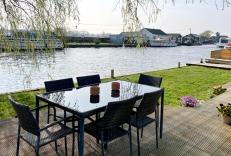
Sunray is a recently renovated property ideally situated overlooking the River Thurne. It has a large private frontage with its own mooring, decking and a pizza oven. The property featu...
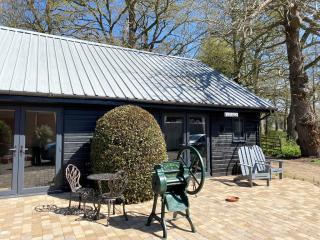
Wenlock
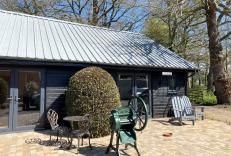
Wenlock is a Courtyard cottage, fully refurbished in 2025. It's all on the ground floor with open plan lounge, kitchen and diner. It has one bedroom, sleeping 2 guests, with a zip and l...
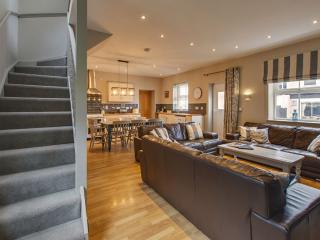
Clippesby Hall
Set in peaceful woodlands and gardens in the Norfolk Broads National Park, Clippesby Hall is a family-run holiday park with self-catering options. Choose from a range of properties runn...
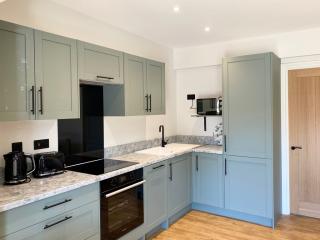
Braemar
Braemar is a Courtyard cottage, fully refurbished in 2025. It's all on the ground floor with open plan lounge, kitchen and diner. It has one bedroom, sleeping 2 guests, with a zip and l...
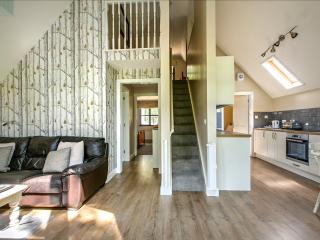
Pine Lodge 2
Awaiting description...
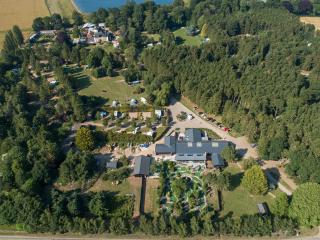
Clippesby Hall
Clippesby Hall is a lovely country house estate with secluded pitches hidden among the trees or in sheltered sunny glades – guests can expect spacious pitches and good privacy. The toil...
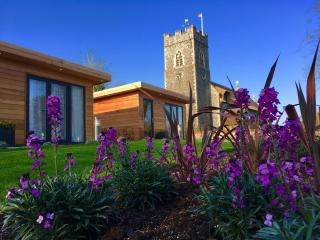
The Kings Arms Fleggburgh & Norfolk Garden Rooms
The Kings Arms is ideally situated in the village of Fleggburgh just a few miles from Great Yarmouth and well placed for touring the Norfolk Broads. The 19th-century, red-brick country ...