Scarborough Castle
Recommended by


Overview
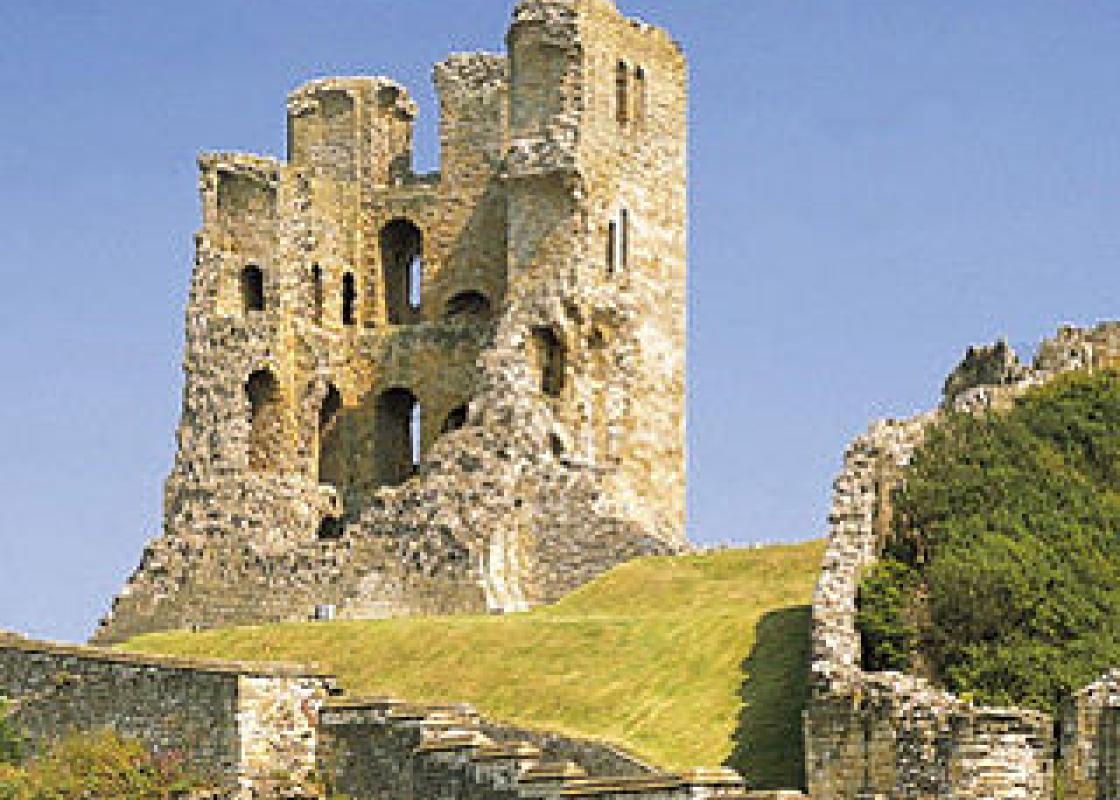
Unlike most medieval castles, Scarborough saw action in World War I, when shells from German battleships struck it. Historical records indicate that this was not the first time that the castle had come under attack, and several English kings received bills for repairs, from Henry II to James I. The rocky headland on which the castle was built had been an important site for hundreds of years before the Normans came, the cliffs providing a natural defence, which was further strengthened by curtain walls. The keep, now in ruins, was built by Henry II on the site of an earlier tower. It was originally 100 feet high, and had walls up to 12 feet thick. The Norman version you see today dates back to the year 1136, when William de Gros decided to rebuild in stone an earlier wooden fort. Henry II, concerned that many of his noblemen were growing too powerful, set about destroying their castles. He spared Scarborough, however. Impressed by its air of impregnability, he requisitioned the castle and kept it for himself. Scarborough Castle was never taken by force, but attackers did manage to starve the defenders into surrendering. On one occasion, in 1645, Hugh Royalist troops were besieged by the Scots and the Great Keep was badly damaged by Scottish artillery. Unable to hold out any longer, they were allowed to surrender with honour intact; those men who could still stand were allowed to march out of the castle. The castle was heavily besieged again in 1648 when the Parliamentary garrison, discontented because they had not been paid, went over to the King’s side; they too were starved into submission. Should all this make you feel peckish yourself, there’s fortunately now a tea room located in the Master Gunner’s House.
Ratings & awards
Green Tourism Silver
Features
- Opening Times
- Open all year
- Opening Times: Open all year, Mar-Sep, see website for details; Oct, daily 10-5; Nov-23 Dec, Jan-11Feb and 19 Feb-29 Mar, Sat-Sun 10-4; 27-31 Dec and 12-18 Feb, daily 10-4 (last admission 30 minutes before closing and tea room closes 30 minutes before cas
- Facilities
- Parking nearby
- Cafe
About the area
North Yorkshire, with its two National Parks and two designated Areas of Outstanding Natural Beauty, is England’s largest county and one of the most rural. This is prime walking country, from the heather-clad heights of the North York Moors to the limestone country that is so typical of the Yorkshire Dales – a place of contrasts and discoveries, of history and legend.

Places to eat nearby View all

Nearby places to stay
View all (8)


Nearby places to stay
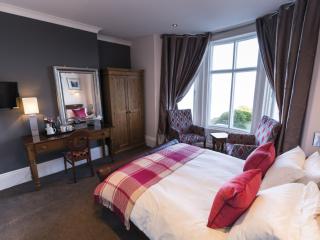
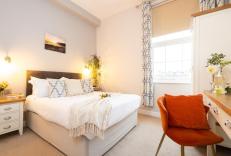
The Helaina
A Breakfast Award winner, The Helaina is a Victorian-terraced guest house in a peaceful area just five-minutes’ walk from the North and South Beaches, lively town centre, with great pla...
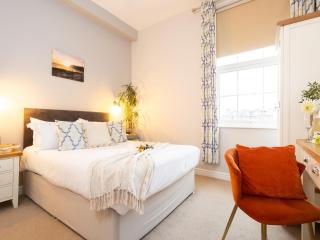
Clarence Gardens
...
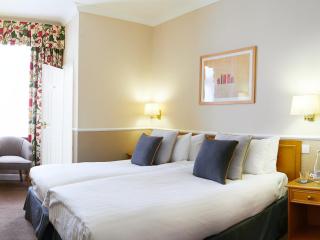
Riviera Town House
Its Breakfast Award is an important feather in the Riviera Town House’s cap. This 200-year-old Georgian guest house in central Scarborough is well placed for beaches, cafés and restaura...
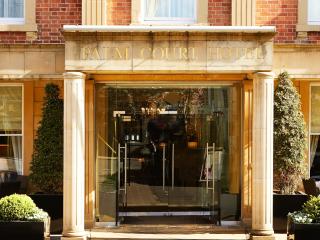
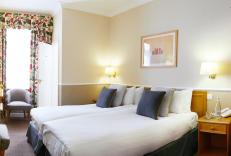
Palm Court Hotel
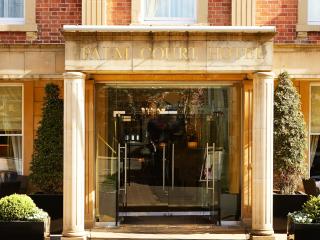
Palm Court Hotel is in Scarborough's city centre, within easy reach of the beach and local attractions. Public rooms are spacious, comfortable and have been modernised over recent years...
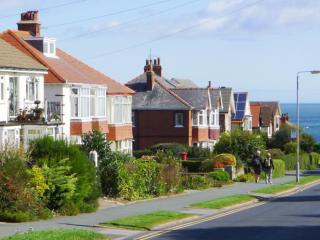
White Acre First Floor Apartment
Awaiting description...
White Acre & White Gable
Our accommodation is close to the beach, Peasholm Park and boating lake, Sea Life Centre, the new Alparare Waterpark, North Bay Miniature Railway, Open Air Theatre, Scarborough Castle ...
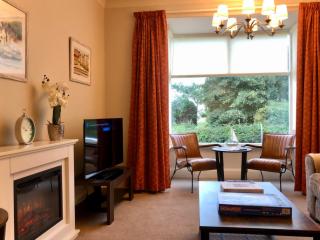
White Acre Ground Floor Apartment
Awaiting description...
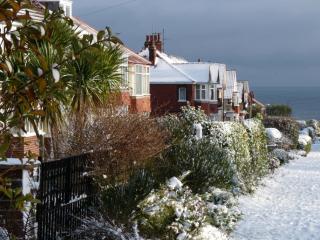
White Gable Ground Floor Apartment
Awaiting description...