Dunstanburgh Castle
Recommended by


Overview
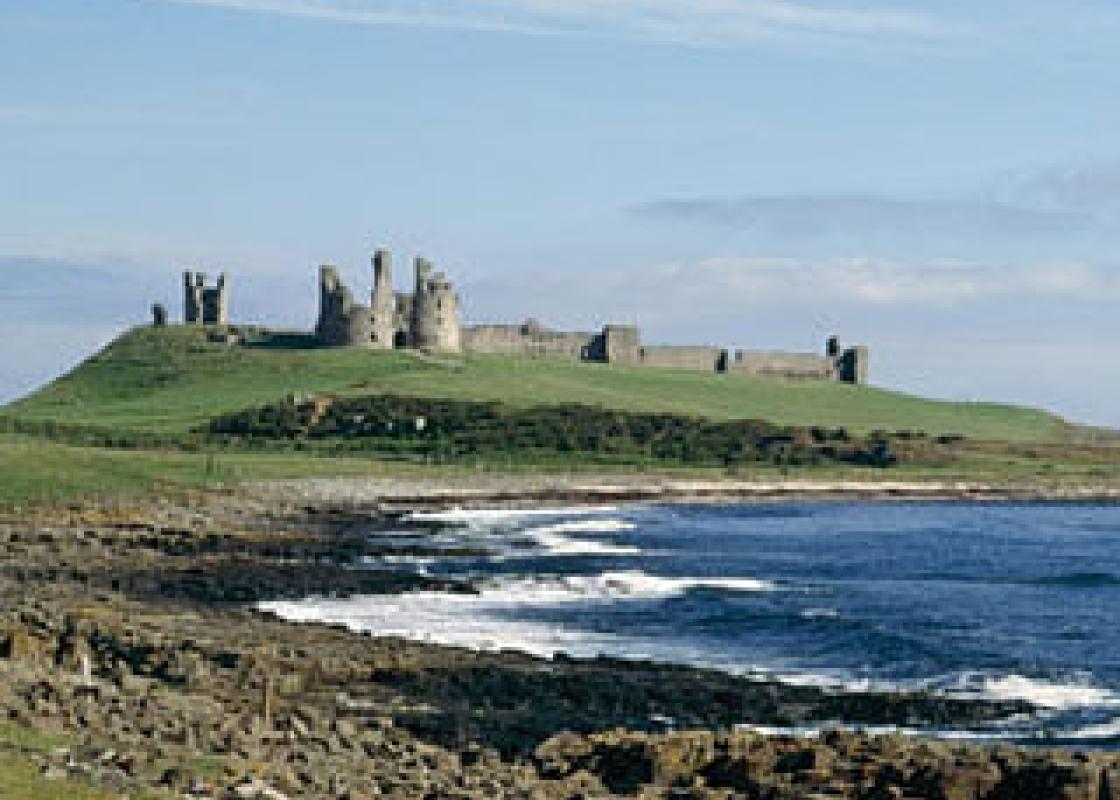
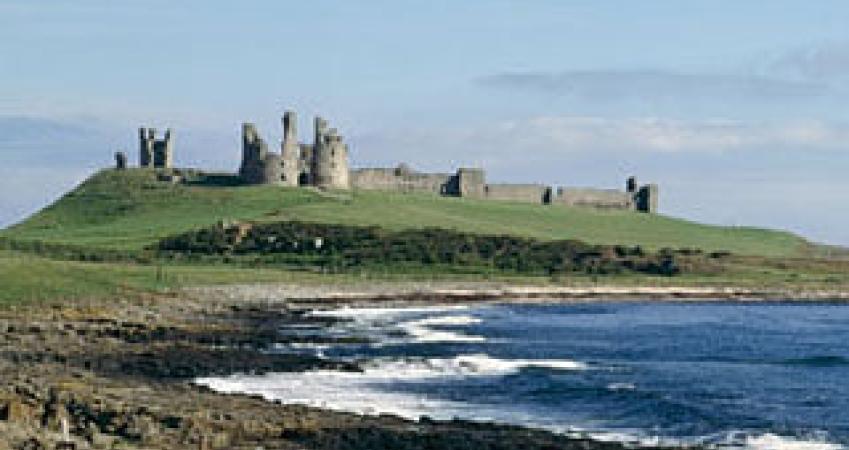
Remote, isolated, lonely and ruined, Dunstanburgh is one of the most dramatic and atmospheric castles in the north of England. Dunstanburgh, unlike many other castles, was built from scratch by Thomas, Earl of Lancaster, a powerful member of the aristocracy in the reign of Edward II. Lancaster and Edward were constantly at loggerheads, especially over the favouritism shown by Edward to certain members of his court – and, in particular, to Piers Gaveston. Lancaster ordered Gaveston’s brutal murder. In the turmoil that followed, the Scots seized the opportunity to begin a series of raids in northern England, and Lancaster built Dunstanburgh ostensibly as a stronghold against a Scottish invasion but really as a retreat for from the wrath of the King. The site occupied by Dunstanburgh is large, and there would have been plenty of space for local people and their livestock to take refuge from Scottish raids within the great, thick walls that swept around the site. The sea and steep cliffs provided further protection from attack on two sides. Lancaster’s impressive gatehouse was built between 1313 and 1325, and even in its ruinous state it exudes a sense of power and impregnability. Dunstanburgh is unusual in that it acquired a second gatehouse about 60 years later. By this time, the castle had come into the hands of another duke of Lancaster, the powerful John of Gaunt, third son of Edward III. Active in negotiations with the Scots, he doubtless saw the need for his castle to be strengthened, and as a man of influence, he travelled with a sizeable entourage, all of whom would have required accommodation. Dunstanburgh was besieged by Yorkist armies during the Wars of the Roses, but by the 17th century it had become redundant and events since then have passed it by.
Features
- Opening Times
- Open all year
- Opening Times: Open Mar-Sep & BHs, see website for details; Oct and 12-16 Feb, daily 10-4; Nov-11 Feb and 17 Feb-29 Mar, Sat-Sun 10-4 (last admission 30 minutes before closing). Closed 24-26 Dec and 1 Jan. Prices valid until March 2018
- Facilities
- Parking nearby
About the area
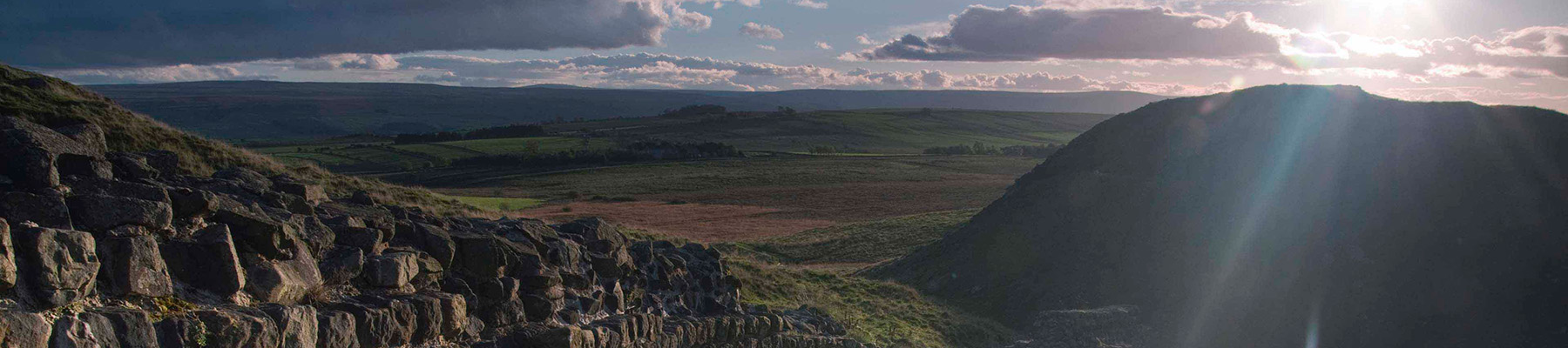
If it’s history you’re after, there’s heaps of it in Northumberland. On Hadrian’s Wall you can imagine scarlet-cloaked Roman legionaries keeping watch for painted Pictish warriors while cursing the English weather and dreaming of home.
Places to eat nearby View all







Nearby places to stay
View all (8)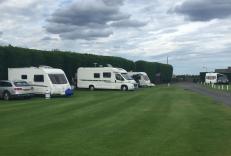
Nearby places to stay
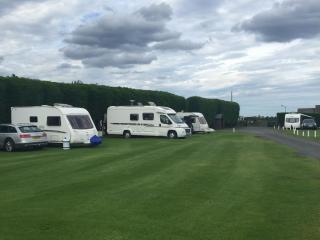
Proctors Stead Caravan Park
Proctors Stead is a family-run caravan park situated one mile from beautiful coastline at Craster and about two miles from Embleton Bay. The long sandy beaches and unspoilt coastline ar...
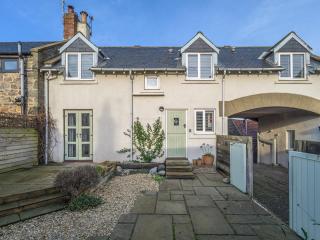
The Arch
Awaiting description....
The Arch
Awaiting description....
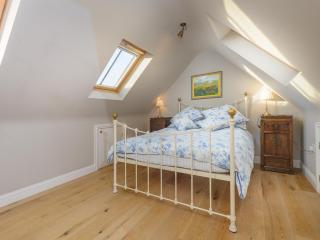
Sea View
An easy stroll from the village of Craster, Sea View has great views of the Dunstanburgh Castle ruins and is a homely retreat on the Northumberland Coast. In the chocolate-box-pretty vi...
Sea View
An easy stroll from the village of Craster, Sea View has great views of the Dunstanburgh Castle ruins and is a homely retreat on the Northumberland Coast. In the chocolate-box-pretty vi...
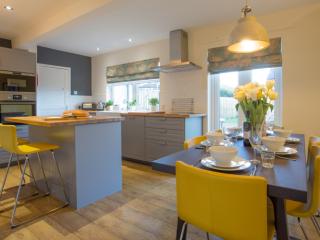
Crabcake Cottage
Crabcake Cottage is a stylishly renovated coastal cottage in the timeless fishing village of Craster. This property has been finished to the highest standard, with contemporary furnishi...
Crabcake Cottage
Crabcake Cottage is a stylishly renovated coastal cottage in the timeless fishing village of Craster. This property has been finished to the highest standard, with contemporary furnishi...
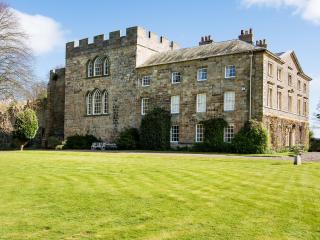
Craster Tower Penthouse
Occupying the whole top floor of a beautifully preserved Grade 2* 15th-century country house that is built around a 14th-century Pele Tower, the Craster Tower Penthouse apartment is rea...