Ebbor Gorge National Nature Reserve
Recommended by


Overview
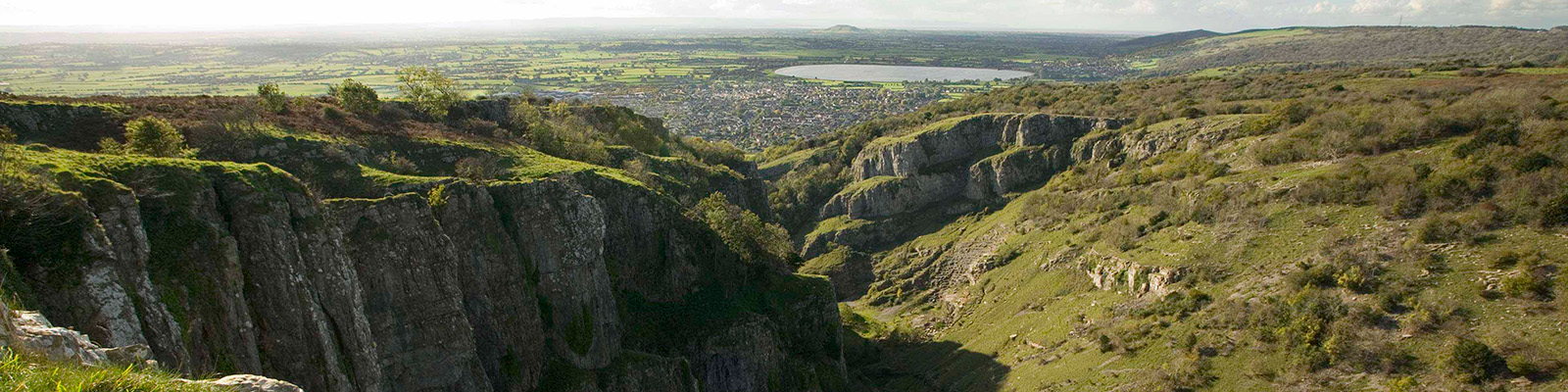
Ebbor Gorge NNR is a mostly wooded site occupying a prominent position on the southern escarpment of the Mendip Hills. The reserve is dissected by two valleys: Hope Wood Valley, which contains an active stream, and the dry, limestone Ebbor Gorge. The woodlands are mostly ash, but also include oak, wych elm, field maple, whitebeam, beech, hornbeam and hazel. Over 250 species of mosses, liverworts and lichens have been recorded, and in spring bluebells, wood anemones and dog’s mercury carpet the woodland floor. Small areas of grassland occur on the limestone outcrops and plateaux. Grazed by rabbits, these support common rockrose, fairy flax, marjoram, wild thyme, common milkwort and quaking grass. The mixed age of the woodland encourages many butterflies, including the rare white-letter hairstreak, while the limestone grassland supports chalk hill blue and brown argus. Rare lesser and greater horseshoe bats roost in the reserve’s cave systems, formed as rainwater slowly dissolved the limestone.
About the area
Somerset remains rural and unspoiled, and ever popular areas to visit are the limestone and red sandstone Mendip Hills rising to over 1,000 feet, and by complete contrast, to the south and southwest, the flat landscape of the Somerset Levels. Another popular spot, the Quantocks, once the haunt of poets Coleridge and Wordsworth, are noted for their gentle slopes, heather-covered moorland expanses and red deer.




Nearby places to stay
View all (8)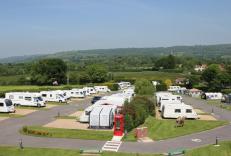


Caravan & Camping
Cheddar Mendip Heights Camping & Caravanning Club Site

- Launderette
- Ice pack facility
- Shop onsite
- Wifi available
Nearby places to stay
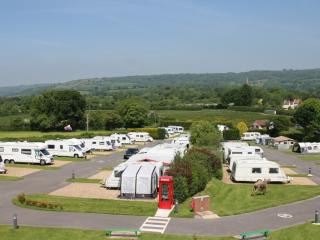
Wells Touring Park
This well established, adults-only holiday park has first-class toilet facilities and many hardstandings, some of which are fully serviced. It is a restful park set in countryside on th...
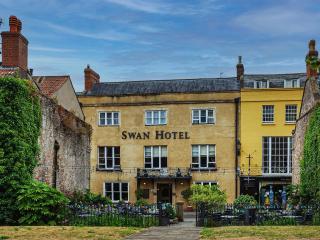
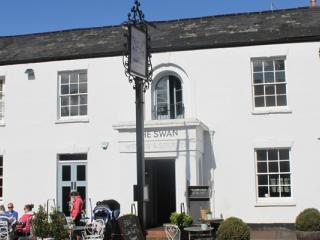
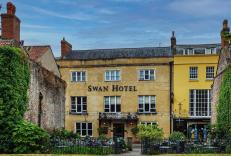
The Swan
The Swan combines the beauty of a historic building with all the advantages of a modern hotel. A 14th-century coaching inn set in the timeless city of Wells, opposite the famous Wells C...
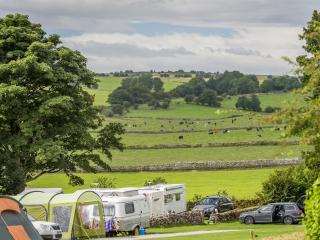
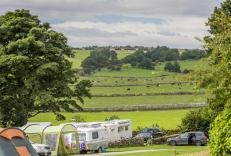
Cheddar Mendip Heights Camping & Caravanning Club Site
A gently sloping site set high on the Mendip Hills and surrounded by trees. This excellent campsite offers really good facilities, including top notch family rooms and private cubicles ...
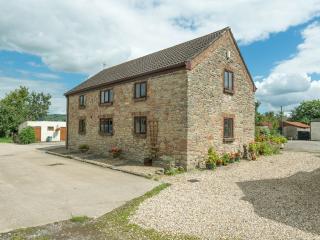
Honeysuckle Cottage
On a traditional family farm with a small pedigree Dexter beef herd, sheep and turkeys in the heart of rural Somerset, this recent barn conversion maintains olde-worlde charm but offers...
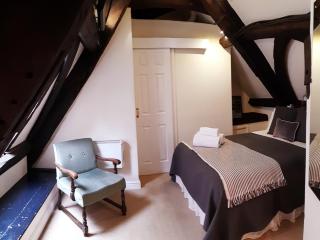
The Crown at Wells
Located in the heart of Wells, the 15th-century Crown is within easy walking distance of the Cathedral and Bishop’s Palace, making it a great base from which to explore this wonderful p...
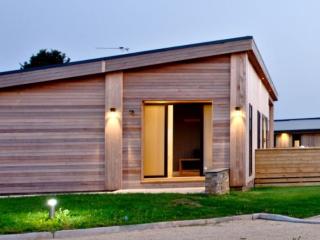
Strawberryfield Park
Strawberryfield Park offers 24 contemporary and sustainable eco-holiday lodges, ideal for couples or families, sleeping either 2 or 4. The lodges are located on a 14 acre estate set in ...
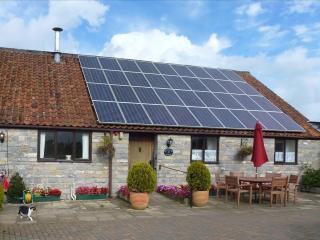
Double-Gate Farm (Swallow Barn)
Double-Gate Farm offers a delightful barn conversion with two first-floor and one ground floor en suite bedrooms. All ground-floor areas are accessible. Minimum stay 3 nights....
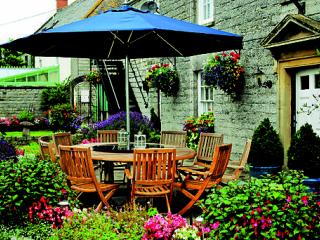
Double-Gate Farm
Double-Gate Farm is a family-run B&B at the heart of the Somerset Levels. Great rooms with amazing views and a hearty breakfast. Ideal for singles or families and for those needing larg...