Little Malvern Court & Gardens
Recommended by


Overview
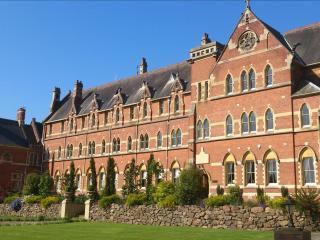
Little Malvern Court is a former Benedictine Monastery nestled in ten acres of beautifully planted grounds, with its tower dominating the view. Built around 1489 the Prior's hall, associated rooms and cells host a collection of religious vestments and relics. Of particular note is the oak-framed medieval roof complete with cusped wind braces. There is also a library and a collection of fine needlework.
Features
- Opening Times
- Opening Times: Open 18 Apr-19 Jul, Wed-Thu 2.15-5 (last admission to house 4). Also open for the National Garden Scheme Fri 9,16, 23 Mar & BH Mon 7 May
- Facilities
- Parking onsite
- Cafe
About the area
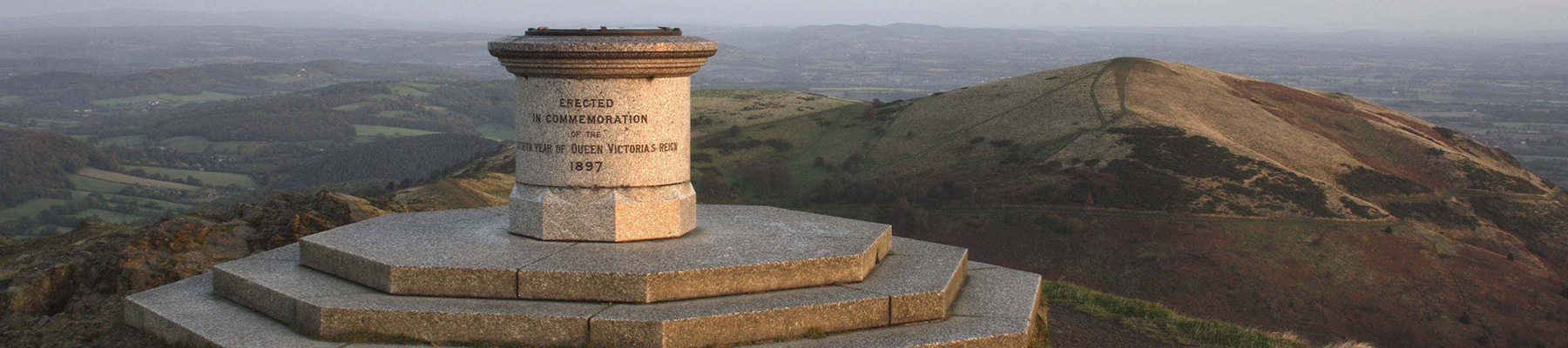
Worcestershire is a county of rolling hills, save for the flat Vale of Evesham in the east and the prominent spine of the Malverns in the west. Nearly all of the land is worked in some way; arable farming predominates – oilseed rape, cereals and potatoes – but there are concentrated areas of specific land uses, such as market gardening and plum growing.
Places to eat nearby View all



Nearby places to stay
View all (8)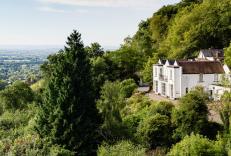




Nearby places to stay
The Cottage in the Wood
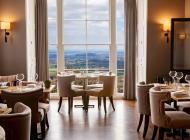
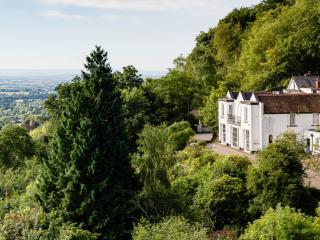
Set high above Malvern in eight acres of lovely woodland, with far-reaching views across the Worcestershire countryside, this unique hotel offers a desirable mix of laid-back elegance, ...
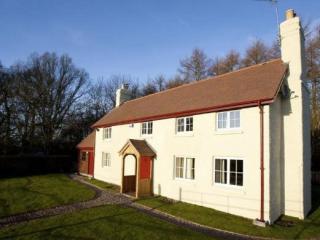
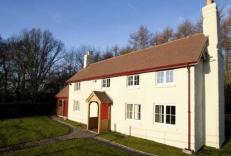
Golden Gates Lodge
Peacock Villa is an Edwardian farmhouse-style cottage, while Golden Gates Lodge comprises two listed buildings with a large iron gate between. Both are part of the large country estate ...
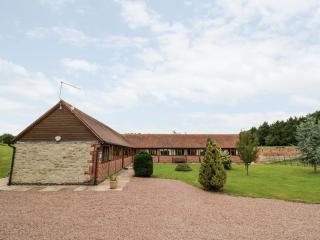
Beesoni Lodge
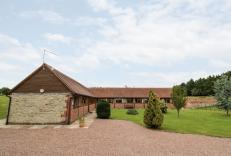
Beesoni Lodge is situated on a working arable farm. It was converted by Robin and Laura Smith from a redundant farm building. It now forms a luxurious Holiday Lodge surrounded by its ow...
Beesoni Lodge
Beesoni Lodge is situated on a working arable farm. It was converted by Robin and Laura Smith from a redundant farm building. It now forms a luxurious Holiday Lodge surrounded by its ow...
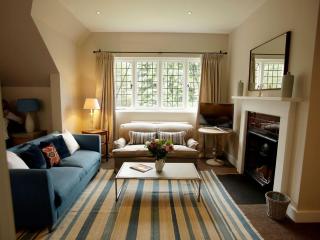
The Stables Apartment
Set in the grounds of Eastnor Castle, The Stables Apartment is a spacious three-bedroom property ideally placed for events at the castle and Land Rover Experience Centre or as a base fo...
The Stables Apartment
Set in the grounds of Eastnor Castle, The Stables Apartment is a spacious three-bedroom property ideally placed for events at the castle and Land Rover Experience Centre or as a base fo...
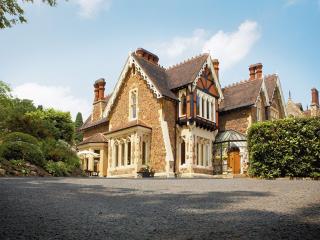
The Cotford Hotel & L'Amuse Bouche Restaurant
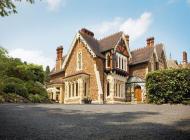
This delightful house, built in 1851 for the Bishop of Worcester, stands in attractive gardens with stunning views of the Malverns. The building retains the majority of its original pre...
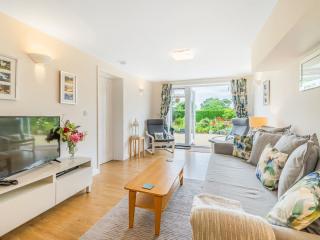
Malvern Holiday-Garden Flat
Malvern Garden flat is a modern, luxury stay, suitable for two adults. There's also a full-size double sofa bed in the lounge, which is ideal for a child. The main bedroom includes a su...