Penpergwm Lodge
Recommended by


Overview
Owner Catriona Boyle has spent the last 30 years developing the beautiful garden at Penpergwm in rural Monmouthshire. She based the design on the original Edwardian layout, with open lawns, some formal areas, hedges and mature trees, and added two colour-themed terraces linked by an Italianate parterre and a pillared vine-walk. Recent additions include an octagonal brick Golden Jubilee folly with a weather vane and a new summer house, with excellent views from both. There’s a pre-war kitchen garden and a nursery created by Mrs Boyle and Joanna Kerr featuring herbaceous plants, bulbs and half-hardy perennials. Mrs Boyle runs a thriving garden school from Penpergwm Lodge, where the lunches are highly recommended.
About the area
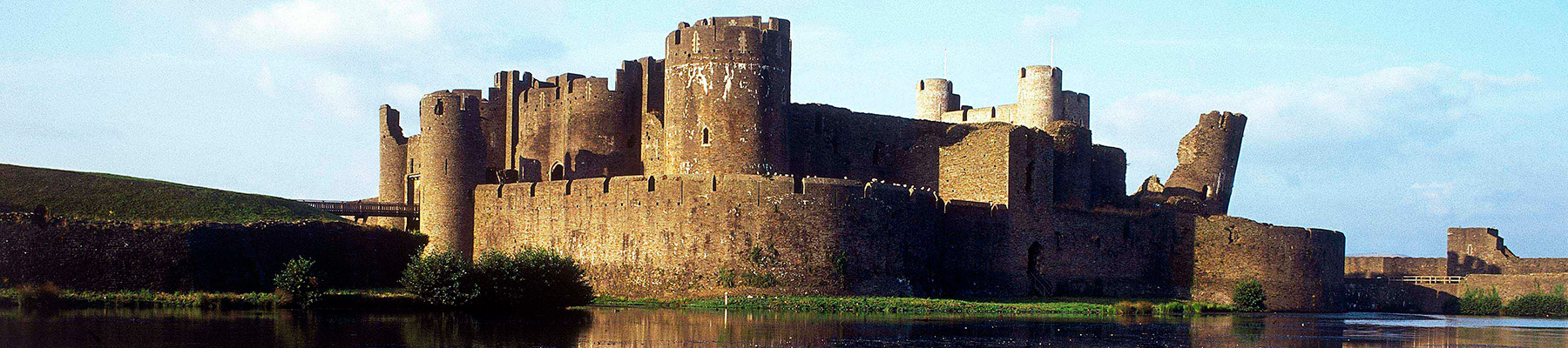
In their bid to control the borderlands of Monmouthshire – also known as the Marches – the Normans built a triangle of castles: Grosmont, Skenfrith and White. At first, they were simple wooden structures strengthened by earthworks, but when the lively Welsh refused to stop attacking them, it was decided more permanent fortresses were needed.
Places to eat nearby View all
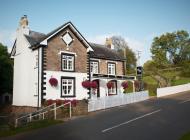
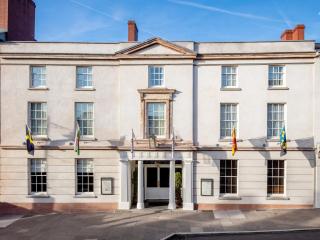
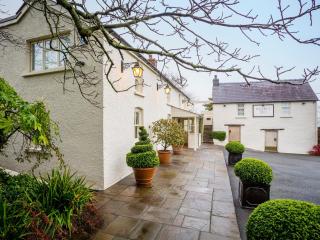
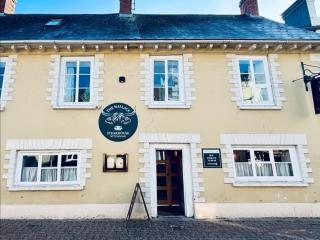
Nearby places to stay
View all (8)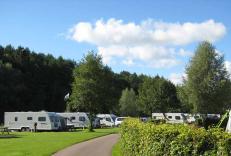
Caravan & Camping
Pont Kemys Caravan & Camping Park
- Launderette
- Ice pack facility
- Picnic Area
- Wifi available

Nearby places to stay
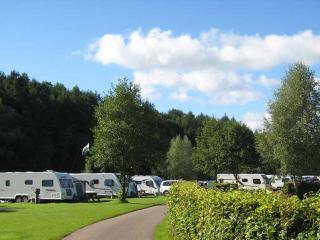
Pont Kemys Caravan & Camping Park
Pont Kemys Caravan & Camping Park is a peaceful site adjacent to the River Usk, offering an excellent standard of toilet facilities with family rooms. The adults-only field benefits fro...
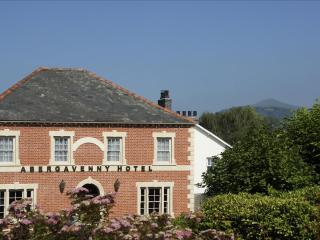
The Abergavenny
Located just a few minutes' stroll from the sister accommodation (the popular Angel Hotel), The Abergavenny offers high-quality bedrooms and bathrooms in a range of shapes and sizes. Gu...
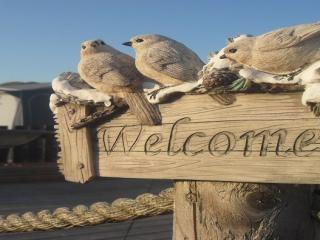
Wernddu Caravan Park
Located north of the town centre, this former fruit farm, adjacent to a golf club and driving range, is managed by three generations of the same family, and has been transformed into an...
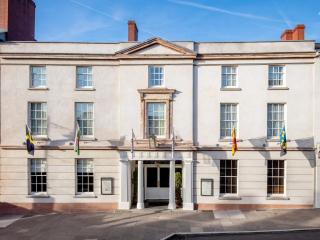
The Angel Hotel
Once a coaching inn and set in the very centre of Abergavenny, The Angel Hotel has long been a popular venue, with foodie credentials to spare. There's also a relaxed bar and a Oak Room...
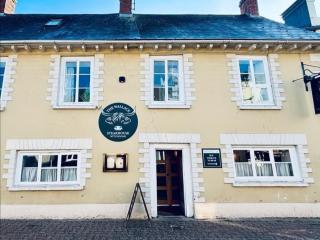
The Wallace Steakhouse with Rooms
This casual fine dining restaurant with rooms has recently rebranded to a Steakhouse proudly supporting British Farmers. Expect dry aged, hand cut classic steaks or go all in with the 1...
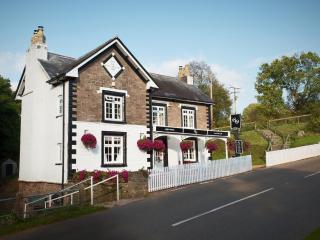
1861 Restaurant with Rooms
1861 Restaurant with Rooms is run by Kate and Simon King. Simon is the Head Chef while Kate looks after front of house. Bedrooms are located in an adjacent building and provide outstand...
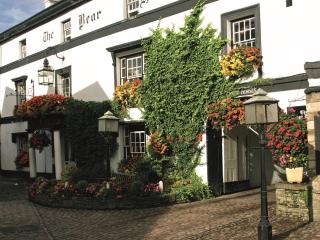
The Bear
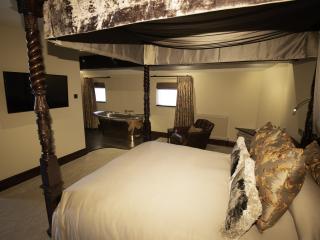
The Bear is a favourite with locals as well as visitors; the character and friendliness of this 15th-century coaching inn are renowned. Bedrooms come in a variety of sizes and include s...
Riverside Caravan & Camping Park
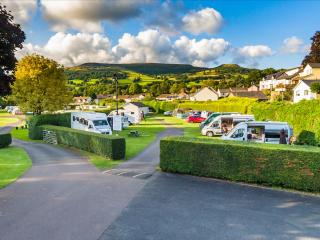
Within a few minutes' walk of the river and town centre with its excellent shopping and eating choices, is this all-level park. It is surrounded by mature hedges and trees to create pri...