White Castle
Recommended by


Overview
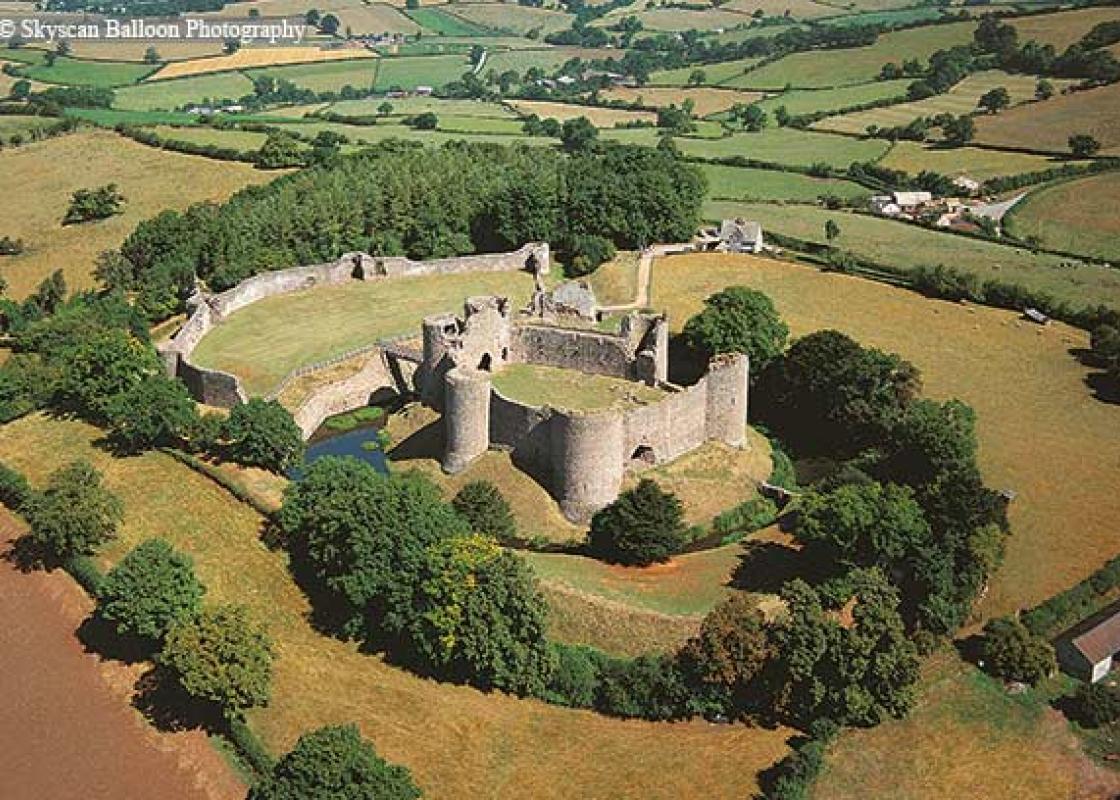
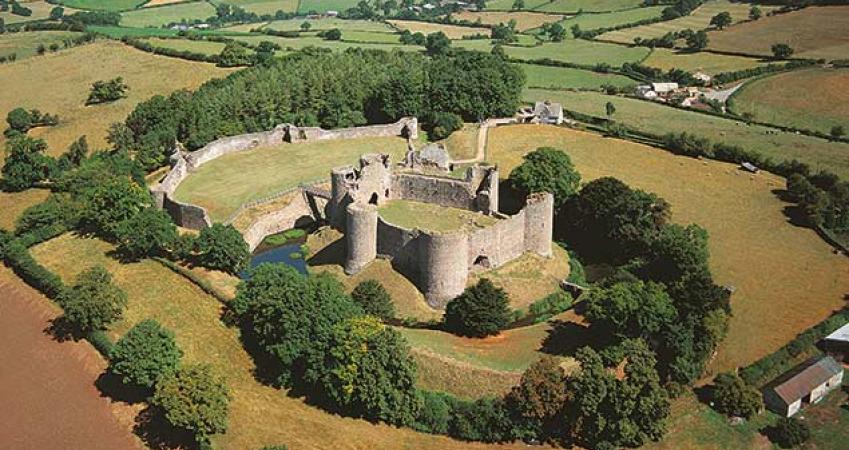
White Castle was so named for its coating of white rendering, although this can no longer be seen. The impressive 12th to 13th-century moated stronghold was built by Hubert de Burgh to defend the Welsh Marches. Substantial remains of walls, towers and a gatehouse can be seen. This is the finest of a trio of castles, the others being at Skenfrith and Grosmont. It stands on a low hill, protected by high curtain walls, six drum towers and a deep water-filled moat. Photo credit: © Crown copyright (2015) Cadw
Features
- Opening Times
- Open all year
- Opening Times: Open all year, daily 10-4 (last admission 3.30). Closed 24-26 Dec & 1 Jan
- Facilities
- Parking onsite
About the area
In their bid to control the borderlands of Monmouthshire – also known as the Marches – the Normans built a triangle of castles: Grosmont, Skenfrith and White. At first, they were simple wooden structures strengthened by earthworks, but when the lively Welsh refused to stop attacking them, it was decided more permanent fortresses were needed.
Places to eat nearby View all
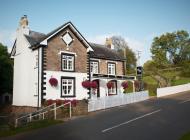
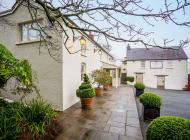
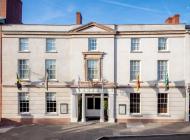
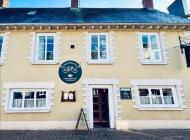
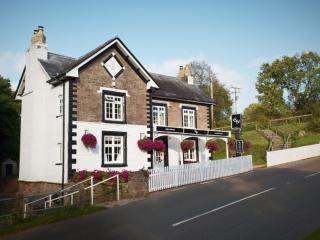
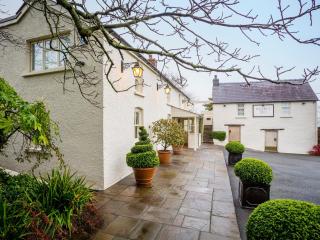
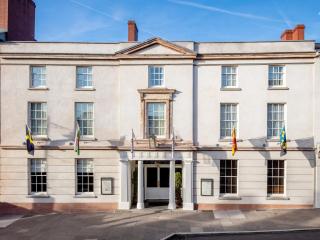
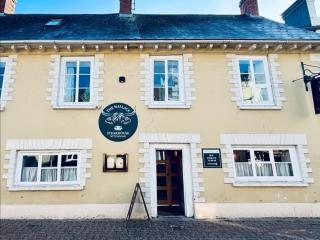
Nearby places to stay
View all (8)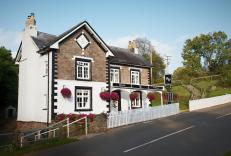
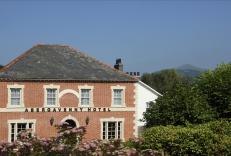

Nearby places to stay
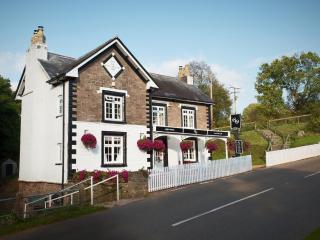
1861 Restaurant with Rooms
1861 Restaurant with Rooms is run by Kate and Simon King. Simon is the Head Chef while Kate looks after front of house. Bedrooms are located in an adjacent building and provide outstand...
Wernddu Caravan Park
Located north of the town centre, this former fruit farm, adjacent to a golf club and driving range, is managed by three generations of the same family, and has been transformed into an...
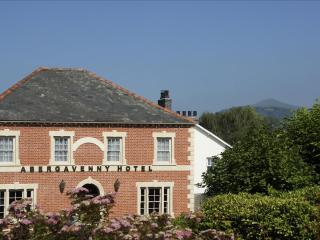
The Abergavenny
Located just a few minutes' stroll from the sister accommodation (the popular Angel Hotel), The Abergavenny offers high-quality bedrooms and bathrooms in a range of shapes and sizes. Gu...
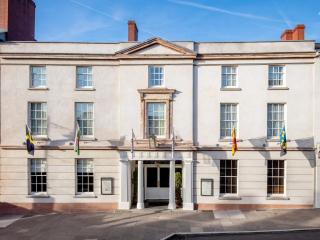
The Angel Hotel
Once a coaching inn and set in the very centre of Abergavenny, The Angel Hotel has long been a popular venue, with foodie credentials to spare. There's also a relaxed bar and a Oak Room...
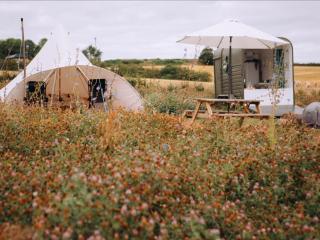
Rockfield Glamping
Located on a working farm in a stunning landscape of undulating hills, quality, well spaced bell tents are strategically placed to maximise the excellent views. Interiors are furnished ...
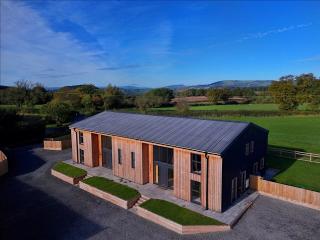
The Gathering Barn - Luxury Rural Barn with Hot Tub
Awaiting description....
The Hay Barn
Awaiting description....
Wye Valley View Barns
Awaiting description....