Grosmont Castle
Recommended by


Overview
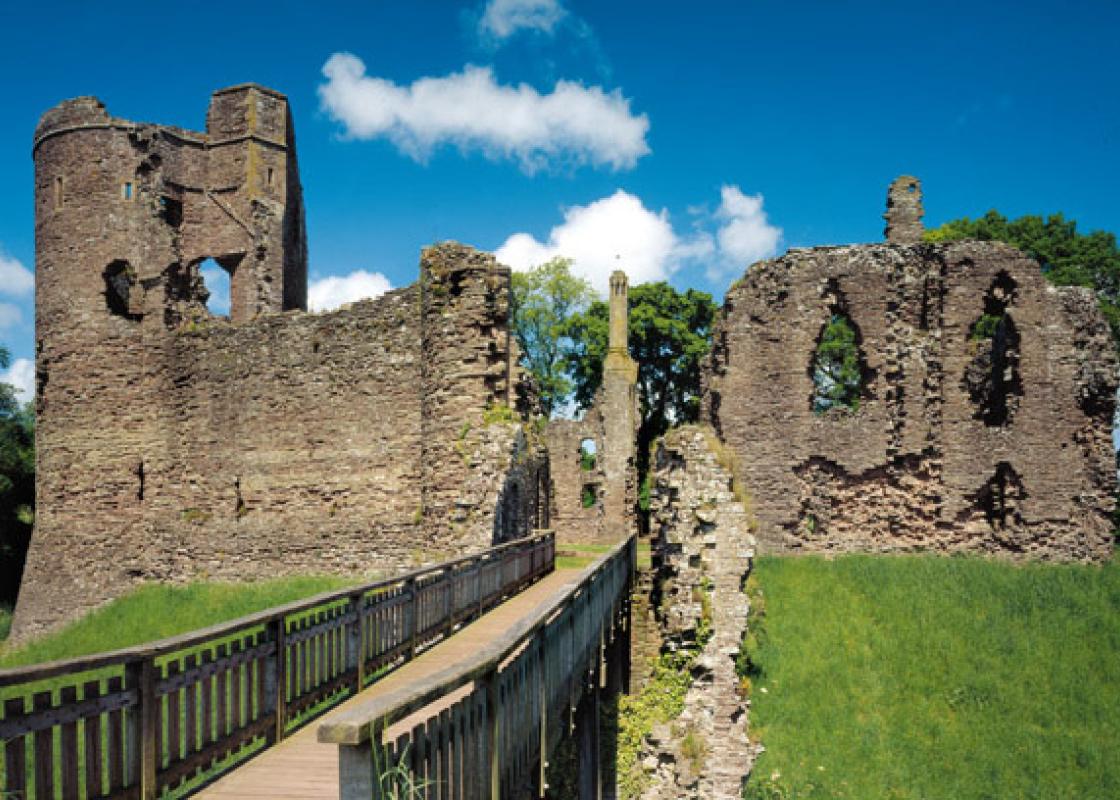
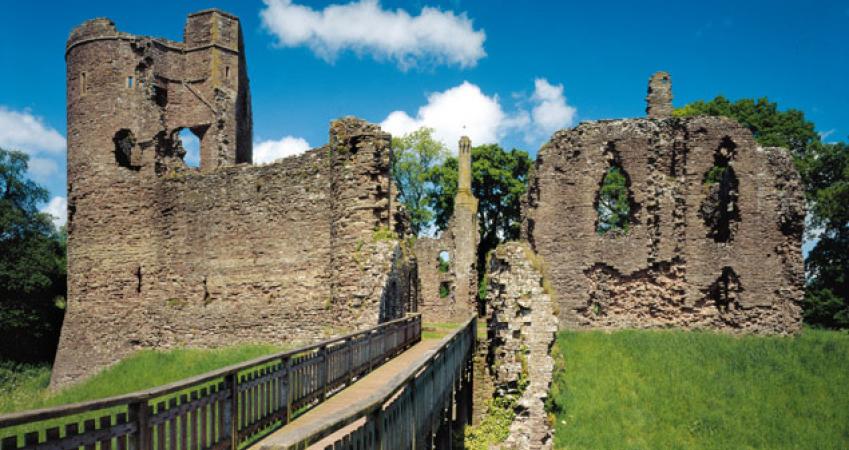
Grosmont is one of the 'trilateral' castles of Hubert de Burgh (see also Skenfrith and White Castle). It stands on a mound with a dry moat, and the considerable remains of its 13th-century great hall can be seen. Three towers once guarded the curtain wall, and the western one is well preserved. It was begun in 1201 with the building of the rectangular hall, while the gatehouse and round towers were only added in his second reign of ownership, between 1219 and 1232. Grosmont is also associated with Jack O'Kent, a local folk hero. The Devil vowed to take O'Kent, whether he was buried in the church or outside it. For that reason, O'Kent arranged to be buried under the wall of the village church, so that he was neither inside nor out. Photo credit: © Crown copyright (2015) Cadw
Features
- Opening Times
- Open all year
- Opening Times: Open all year, daily 10-4 (last admission 3.30) Closed 24-26 Dec, 1 Jan
About the area
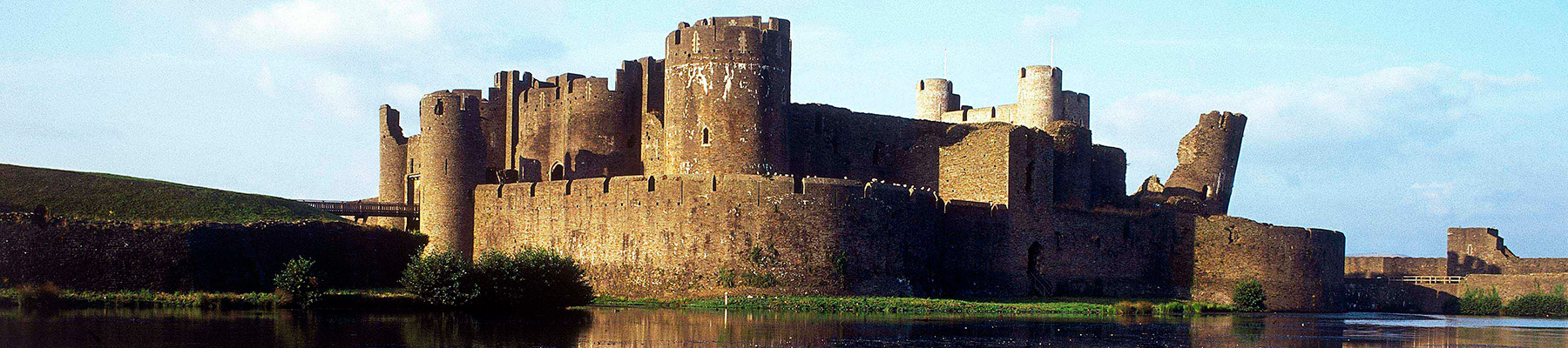
In their bid to control the borderlands of Monmouthshire – also known as the Marches – the Normans built a triangle of castles: Grosmont, Skenfrith and White. At first, they were simple wooden structures strengthened by earthworks, but when the lively Welsh refused to stop attacking them, it was decided more permanent fortresses were needed.
Places to eat nearby View all
Nearby places to stay
View all (8)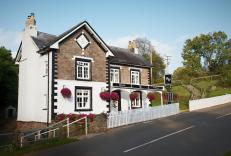

Self-Catering
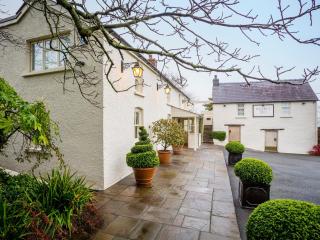
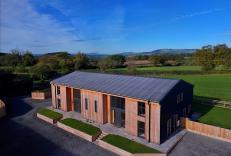
The Gathering Barn - Luxury Rural Barn with Hot Tub
- Private garden
- Lawn area
- Garden furniture
- BBQ on site
Self-Catering
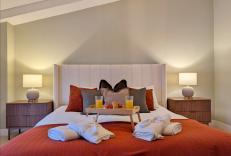
The Hay Barn
- Private garden
- Lawn area
- Garden furniture
- BBQ on site
Nearby places to stay
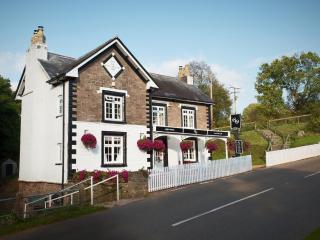
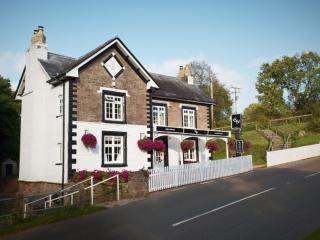
1861 Restaurant with Rooms
1861 Restaurant with Rooms is run by Kate and Simon King. Simon is the Head Chef while Kate looks after front of house. Bedrooms are located in an adjacent building and provide outstand...
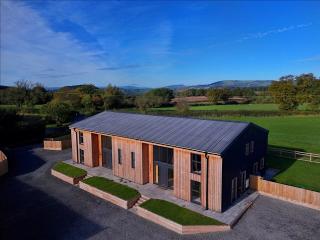
The Gathering Barn - Luxury Rural Barn with Hot Tub
Awaiting description....
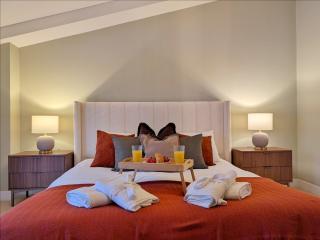
The Hay Barn
Awaiting description....
Wye Valley View Barns
Awaiting description....
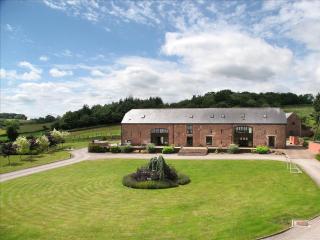
Penblaith Barn
Not far from the England-Wales border, sits Penblaith Barn with three spacious floors. The Galleried Hall is open to all three floors, while a large dining room provides a large central...
Penblaith Barn
Not far from the England-Wales border, sits Penblaith Barn with three spacious floors. The Galleried Hall is open to all three floors, while a large dining room provides a large central...
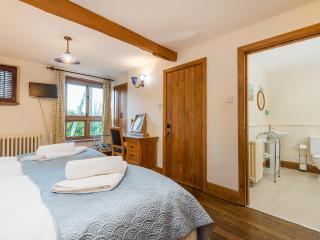
Trevase Granary
Trevase Cottages provides two separate large luxury cottages set in stunning Herefordshire countryside. Each stone granary, which were formerly farm buildings, sleep 16 to 18 guests in...
Trevase Granary
Trevase Granary sleeps up to 18 in 8 ensuite bedrooms in five star luxury. This all-inclusive self-catering barn conversion on the owners working farm, has stunning views and is locate...