Monmouth Castle
Recommended by


Overview
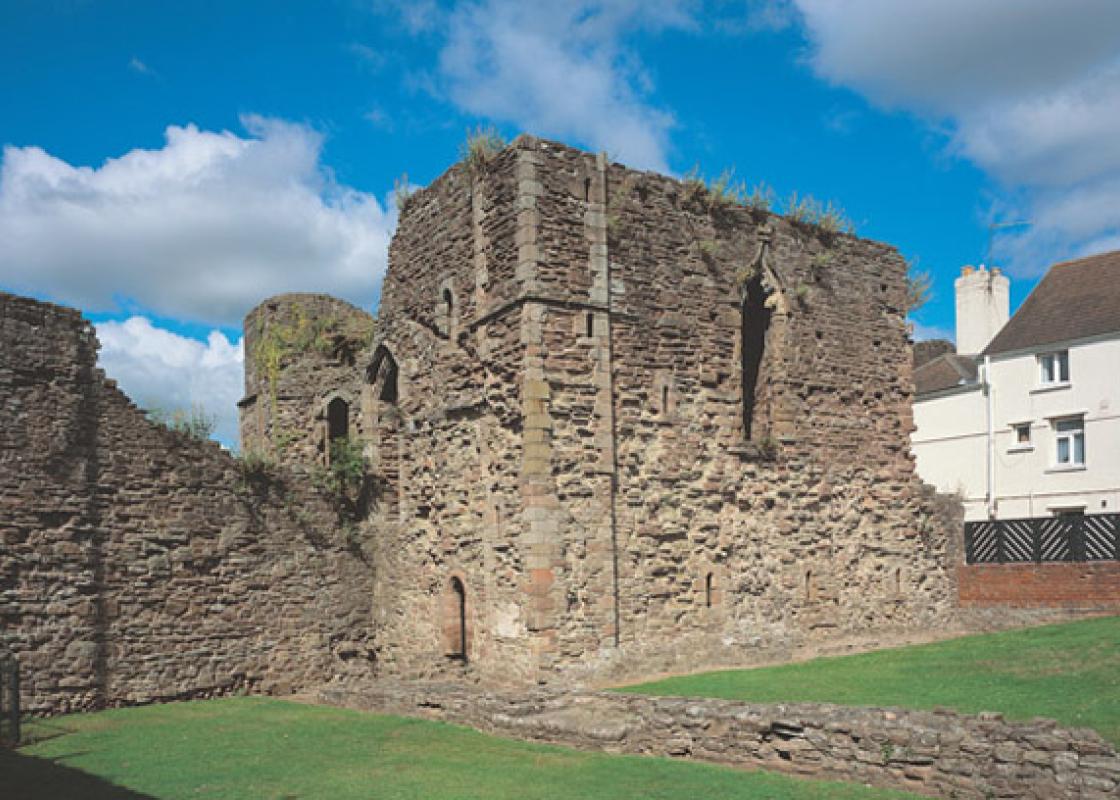
Monmouth Castle was established by William FitzOsbern in the late 11th century. FitzOsbern fought alongside William at the Battle of Hastings, and was made Earl of Hereford for his efforts. The remains of the great tower date to the first half of the 12th century, and the castle was later remodelled by the Lancasters in the 13th. Henry V was born here in 1413. After changing hands three times during the English Civil War, Cromwell ordered the castle damaged to destroy its military value. Photo credit: © Crown copyright (2015) Cadw
Features
- Opening Times
- Open all year
- Opening Times: Open all year
About the area
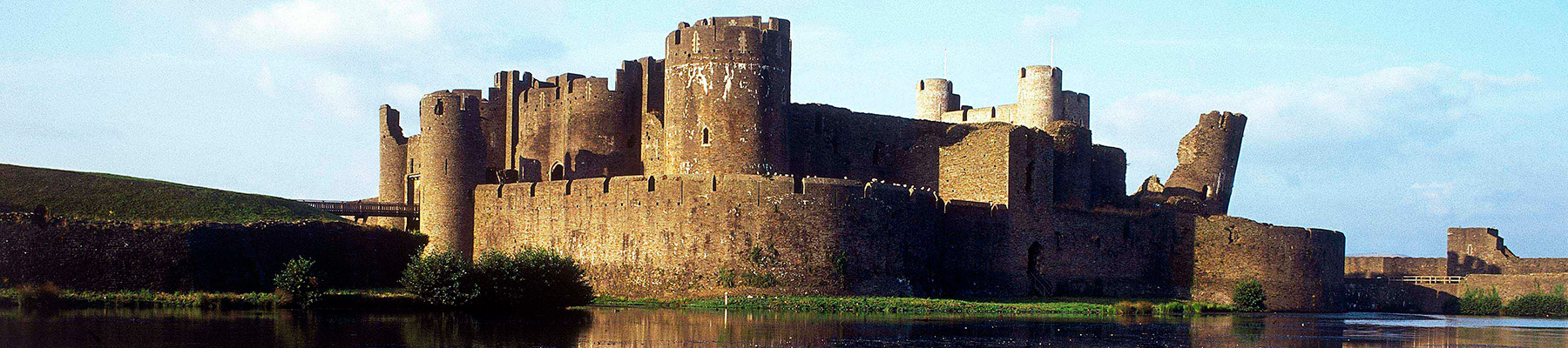
In their bid to control the borderlands of Monmouthshire – also known as the Marches – the Normans built a triangle of castles: Grosmont, Skenfrith and White. At first, they were simple wooden structures strengthened by earthworks, but when the lively Welsh refused to stop attacking them, it was decided more permanent fortresses were needed.
Places to eat nearby View all

Nearby places to stay
View all (8)



Nearby places to stay
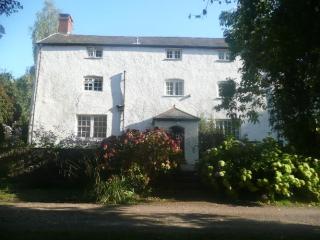
Church Farm Guest House
Located in the village of Mitchel Troy, this 16th-century former farmhouse retains many original features including exposed beams and open fireplaces. There is a range of bedrooms and a...
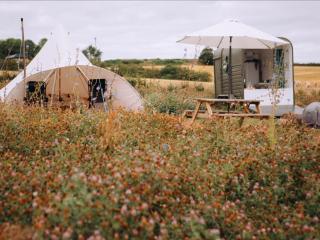
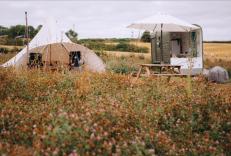
Rockfield Glamping
Located on a working farm in a stunning landscape of undulating hills, quality, well spaced bell tents are strategically placed to maximise the excellent views. Interiors are furnished ...
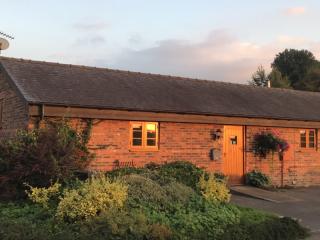
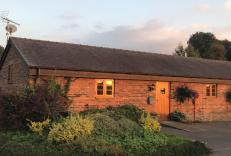
Cowshed Cottage & The Dairy
Cowshed Cottage and The Dairy are finished to an exceptional standard, providing a cosy and comfortable base for your next holiday. Located near to the pretty Gloucestershire village of...
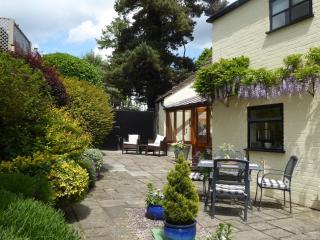
The Coach House
The Coach House is a converted Coach House in historic and tranquil village of Newland furnished to high standard. Expect three large bedrooms, two bathrooms, laundry, open fire, cycle ...
The Coach house
The Coach House is a converted Coach House in historic and tranquil village of Newland furnished to high standard. Expect three large bedrooms, two bathrooms, laundry, open fire, cycle ...
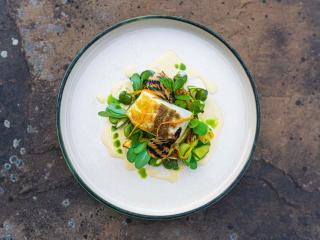
The Whitebrook
Peacefully located and surrounded by woods and rivers, this delightful restaurant with rooms offers a tranquil escape. The bedrooms are located above the main restaurant and come in a r...
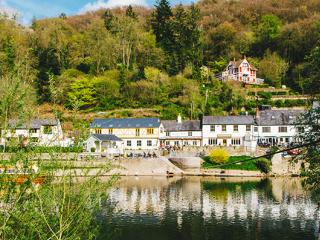
Saracens Head Inn
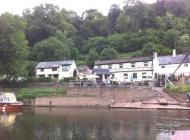
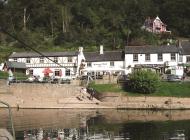
Dating from the 16th century, the friendly, family-run Saracens Head faces the River Wye and has wonderful views. The well-equipped bedrooms are decorated in a cottage style, and there ...
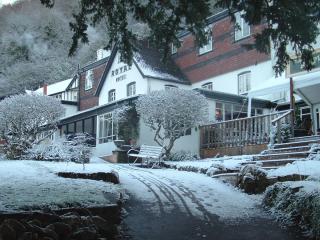
The Royal Lodge
The Royal Lodge stands at the top end of the village overlooking the River Wye. Bedrooms vary though mostly spacious and comfortable. There is a cosy lounge with an open fireplace and t...